

Octavian Triumphs at Actium: Empire is Born
Octavian's fleet, commanded by the brilliant admiral Agrippa, crushed the combined naval forces of Mark Antony and Cleopatra off the coast of Actium in western Greece on September 2, 31 BC. Cleopatra fled the battle with her 60 ships when the outcome became uncertain, and Antony abandoned his fleet to follow her. The deserted sailors and soldiers surrendered to Octavian within days. The victory ended a century of Roman civil wars and left Octavian as the sole ruler of the Roman world. Within four years, he took the title Augustus and established the principate, ending the Republic and beginning the Roman Empire that would dominate the Mediterranean for over four centuries.
September 2, 31 BC
Key Figures & Places

Greece
Wikipedia
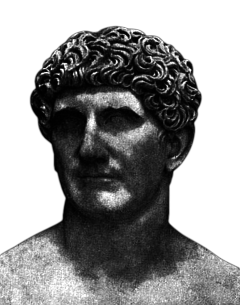
Mark Antony
Wikipedia
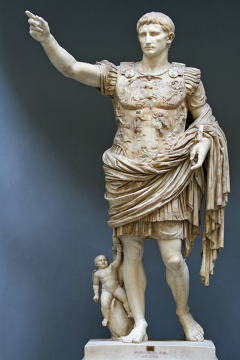
Augustus
Wikipedia
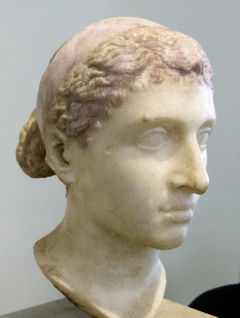
Cleopatra VII
Wikipedia
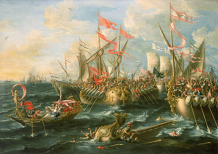
Final War of the Roman Republic
Wikipedia
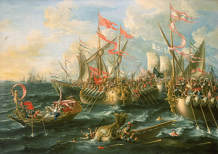
Battle of Actium
Wikipedia

War of Actium
Wikipedia

Battle of Actium
Wikipedia

Augustus
Wikipedia

Mark Antony
Wikipedia
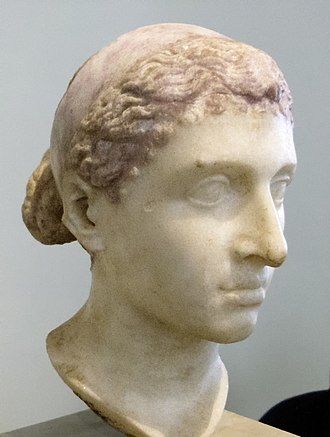
Cleopatra
Wikipedia

Pharaoh
Wikipedia

Egypt
Wikipedia

Caesarion
Wikipedia

Cicero
Wikipedia

Philippicae
Wikipedia

Golfo de Arta
Wikipedia

Marcus Vipsanius Agrippa
Wikipedia

Ancient Egypt
Wikipedia

Ancient Rome
Wikipedia
Filípica
Wikipedia

31 av. J.-C.
Wikipedia
44 a. C.
Wikipedia

Julius Caesar
Wikipedia
قبل الميلاد
Wikipedia

Roman Empire
Wikipedia

Mar Jónico
Wikipedia
What Else Happened on September 2
Cicero was 62 years old, semi-retired, and knew exactly how dangerous this was. Mark Antony controlled Rome's legions. Cicero controlled words. His first Philip…
Cleopatra VII elevated her young son, Caesarion, to the Egyptian throne as co-ruler, cementing a political alliance with Julius Caesar. By positioning the boy a…
Galla Placidia had already been captured by Visigoths, married their king, widowed, ransomed back to Rome, and forced into a second marriage by her own brother …
Richard had spent three years fighting for Jerusalem and never took it. The Treaty of Jaffa was his admission that he couldn't — but he negotiated hard. Saladin…
Mary had been Queen of France, then widowed at 18, then forced to return to a Scotland she barely remembered. When she rode into Edinburgh in August 1561, Prote…
The 4th Spanish Armada didn't make the history books the way the 1588 one did — partly because it succeeded in landing. On September 2, 1601, roughly 3,500 Span…
Talk to History
Have a conversation with historical figures who witnessed this era. Ask questions, explore perspectives, and bring history to life.