

Bell Connects Coasts: First Transcontinental Call Made
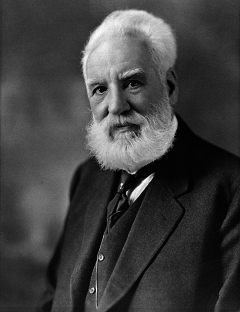
Bell engineers strung copper wire from New York to San Francisco and on January 25, 1915, Alexander Graham Bell picked up the phone in New York and spoke the same words he had said in the first telephone call thirty-nine years earlier: 'Mr. Watson, come here. I want to see you.' Thomas Watson, sitting in San Francisco, replied that it would take him a week this time. The 3,400-mile transcontinental line required 130,000 telephone poles and 2,500 tons of copper wire, connected by mechanical repeaters that boosted the signal across the continent. The call proved that voice communication could span a nation in real time. AT&T staged the demonstration at the Panama-Pacific International Exposition to maximum publicity effect. Within a decade, transatlantic telephone service followed. The call that bridged America marked the moment telecommunications became a continental utility rather than a local curiosity.
January 25, 1915
111 years ago
Key Figures & Places
What Else Happened on January 25
The Praetorian Guard discovered Claudius hiding behind a palace curtain following Caligula’s assassination, forcing the Senate to accept him as emperor by morni…

The Abbasid revolution ended with a massacre. After defeating the Umayyad army at the Battle of the Great Zab River on January 25, 750, Abbasid forces hunted do…
Fourteen years old and suddenly king—with his mother Isabella and her lover Roger Mortimer pulling the strings. They'd just deposed his father, Edward II, in a …
A teenage king with a mother who'd just engineered a royal coup. Edward III watched as his father, Edward II, was dramatically stripped of power—humiliated by I…
The ground didn't just shake. It screamed. A massive earthquake ripped through the Alpine foothills, turning stone churches into rubble and sending tremors all …
Venice surrendered everything. After sixteen brutal years of naval battles across the Mediterranean, the Republic would pay 100,000 gold ducats and cede strateg…
Talk to History
Have a conversation with historical figures who witnessed this era. Ask questions, explore perspectives, and bring history to life.