

Cornwallis Offers Surrender: Yorktown Victory Sealed
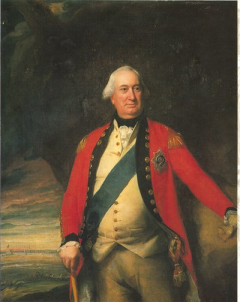
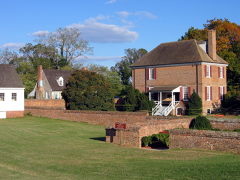
A lone British drummer boy appeared on the parapet of the Yorktown fortifications on the morning of October 17, 1781, beating a signal for a parley. Behind him, General Charles Cornwallis had accepted what his army's position had made inevitable: surrounded by 17,000 American and French troops on land and cut off from the sea by the French fleet, the 8,000 British and Hessian soldiers at Yorktown could neither fight nor flee. Cornwallis sent an officer forward with a white flag to propose terms of surrender. The siege had lasted three weeks. Washington and his French counterpart, the Comte de Rochambeau, had marched their combined armies 450 miles from New York in September, executing one of the war's most ambitious deceptions to convince the British command that they were planning to attack New York City. They arrived at Yorktown to find Cornwallis already trapped by a French naval victory at the Battle of the Chesapeake on September 5, which had driven away the British fleet that Cornwallis was counting on for reinforcement or evacuation. American and French engineers dug siege trenches that crept steadily closer to the British lines, following the formal siege methodology developed by the French military engineer Vauban a century earlier. Artillery bombardment was relentless, and on the night of October 14, American and French troops stormed two key British redoubts in coordinated bayonet assaults — Alexander Hamilton led the American attack on Redoubt No. 10. A desperate British counterattack and an attempted river crossing to escape both failed. The drummer's signal on October 17 led to two days of negotiations. The formal surrender ceremony took place on October 19, when British troops marched out of their fortifications and laid down their arms while, according to tradition, a military band played "The World Turned Upside Down." Cornwallis himself did not attend, claiming illness, and sent his deputy. The loss of an entire army at Yorktown broke Parliament's will to continue the war, and peace negotiations began within months. American independence, which had seemed improbable for most of the previous six years, was effectively assured.
October 17, 1781
245 years ago
Key Figures & Places
What Else Happened on October 17
Cyrus the Great entered Babylon without a battle. The city's priests had turned against their own king. Cyrus issued a decree allowing exiled peoples to return …
Ricimer defeated the Roman emperor Avitus near Piacenza with help from Majorian. Avitus had ruled for just 14 months. He fled to a church, was made a bishop aga…
Wu Zetian declared herself emperor of China on October 16th, 690, the only woman to ever claim that title outright. She'd been a concubine, then empress consort…
A tornado tore through London on October 17th, 1091, destroying 600 houses and killing two people. Medieval chroniclers said it lifted the roof off a church and…
King David II of Scotland invaded England in 1346 while Edward III was busy in France. Bad timing. English forces caught David at Neville's Cross near Durham on…
King David II of Scotland invaded northern England while Edward III was fighting in France. Bad timing. English forces intercepted him at Neville's Cross near D…
Talk to History
Have a conversation with historical figures who witnessed this era. Ask questions, explore perspectives, and bring history to life.