

Volstead Act Passed: Prohibition Becomes Law
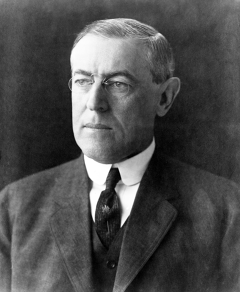
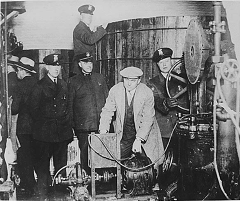
Congress overrode President Wilson's veto on October 28, 1919, passing the Volstead Act, which defined 'intoxicating liquors' as anything containing more than 0.5% alcohol by volume. Beer, wine, and spirits were all banned. The act was the enforcement mechanism for the Eighteenth Amendment, ratified earlier that year. Exceptions were carved out for sacramental wine, medicinal alcohol, and industrial use. Pharmacies did brisk business writing alcohol prescriptions. Churches reported surging demand for communion wine. The law created a vast illegal market. Bootleggers, speakeasies, and organized crime flourished. Al Capone's empire was built on Prohibition-era liquor distribution. By the early 1930s, public opinion had shifted decisively against the experiment. The Twenty-first Amendment repealed Prohibition on December 5, 1933.
October 28, 1919
107 years ago
Key Figures & Places
What Else Happened on October 28
The Praetorian Guard forced Emperor Nerva to adopt Trajan as his heir. Nerva was 66 and childless. The Guard had murdered his predecessor. They wanted a militar…
Maxentius declared himself Roman Emperor after his father's failed comeback attempt. The Praetorian Guard backed him. Rome's citizens backed him. The actual emp…

Constantine's army faced Maxentius at the Milvian Bridge over the Tiber on October 28, 312, outnumbered by perhaps three to one. Ancient sources claim Constanti…
Visigothic forces sacked Braga, capital of the Suevi kingdom in northwest Iberia. They burned the city's churches to the ground. The Suevi had converted to Cath…
Byzantine general Michael Bourtzes scaled Antioch's walls at night with a small force and seized two towers. The city had been in Arab hands for 340 years. Bour…
Byzantine forces recaptured Antioch in 969 after 333 years of Arab rule. Emperor Nikephoros II Phokas sent his best general, Michael Bourtzes, who climbed the w…
Talk to History
Have a conversation with historical figures who witnessed this era. Ask questions, explore perspectives, and bring history to life.