

Khrushchev Retreats: Soviet Missiles Leave Cuba
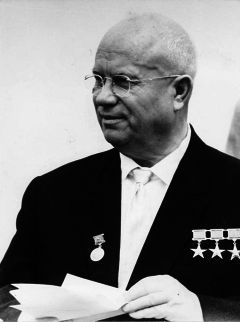
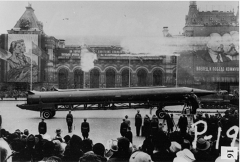
Nikita Khrushchev announced on Radio Moscow on October 28, 1962, that the Soviet Union would dismantle and remove its nuclear missile installations from Cuba. The announcement ended thirteen days of brinkmanship that had brought the world closer to nuclear war than at any point before or since. In exchange, Kennedy publicly pledged not to invade Cuba and secretly agreed to remove American Jupiter missiles from Turkey within six months. The public deal favored Kennedy; the private deal favored Khrushchev. Both leaders faced intense pressure from hardliners in their own governments. The crisis led directly to the installation of the 'hotline' teletype link between Washington and Moscow in 1963, and to the Partial Nuclear Test Ban Treaty signed the same year. Khrushchev was ousted from power two years later.
October 28, 1962
64 years ago
Key Figures & Places



What Else Happened on October 28
The Praetorian Guard forced Emperor Nerva to adopt Trajan as his heir. Nerva was 66 and childless. The Guard had murdered his predecessor. They wanted a militar…
Maxentius declared himself Roman Emperor after his father's failed comeback attempt. The Praetorian Guard backed him. Rome's citizens backed him. The actual emp…

Constantine's army faced Maxentius at the Milvian Bridge over the Tiber on October 28, 312, outnumbered by perhaps three to one. Ancient sources claim Constanti…
Visigothic forces sacked Braga, capital of the Suevi kingdom in northwest Iberia. They burned the city's churches to the ground. The Suevi had converted to Cath…
Byzantine general Michael Bourtzes scaled Antioch's walls at night with a small force and seized two towers. The city had been in Arab hands for 340 years. Bour…
Byzantine forces recaptured Antioch in 969 after 333 years of Arab rule. Emperor Nikephoros II Phokas sent his best general, Michael Bourtzes, who climbed the w…
Talk to History
Have a conversation with historical figures who witnessed this era. Ask questions, explore perspectives, and bring history to life.