

Henry VIII Dies: Edward VI Becomes Protestant King
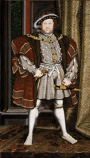
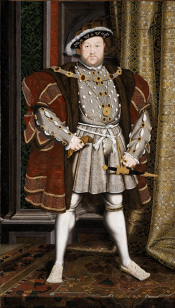
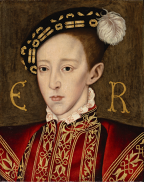
Henry VIII died at Whitehall Palace on January 28, 1547, after thirty-eight years on the English throne. His nine-year-old son Edward VI inherited a kingdom that Henry had wrenched from papal authority, dissolved the monasteries, and remade in his own image. Edward's regency council, dominated by Protestant reformers led by his uncle Edward Seymour, Duke of Somerset, immediately accelerated the English Reformation far beyond what Henry had intended. Thomas Cranmer's Book of Common Prayer replaced Latin services with English. Religious images were stripped from churches. Catholic practices were outlawed. Edward himself was a devout Protestant who took genuine interest in theology despite his youth. His reign lasted only six years before tuberculosis killed him at fifteen, but those six years embedded Protestantism so deeply into English institutional life that even Mary I's subsequent Catholic restoration could not permanently reverse it.
January 28, 1547
479 years ago
Key Figures & Places

What Else Happened on January 28
He wasn't even in Rome when power landed in his lap. Trajan, a Spanish-born military commander, was literally at the edges of the empire when word came that he'…
The most powerful man in Europe died wearing a white linen shirt and surrounded by chanting monks. Charlemagne - who'd unified most of Western Europe, created a…
He rode into Durham like he owned the place — which, technically, he did. Robert de Comines, freshly minted Earl of Northumbria by William the Conqueror, couldn…
Holy Roman Emperor Henry IV knelt in the snow outside Canossa Castle for three days, begging Pope Gregory VII to rescind his excommunication. By granting absolu…
He walked barefoot through snow, wearing a hair shirt, begging forgiveness. The most powerful monarch in Europe reduced to a supplicant, waiting three days outs…
Six dancers burned alive. The king barely escaped. What started as a lavish masquerade at the Hôtel Saint-Pol turned into a horrific spectacle when one performe…
Talk to History
Have a conversation with historical figures who witnessed this era. Ask questions, explore perspectives, and bring history to life.