

Stamp Act Passes: Colonial Resentment Grows
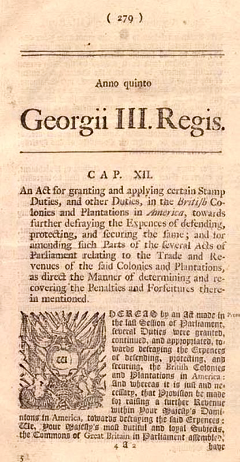
The British Parliament passed the Stamp Act on November 1, 1765, requiring colonists to purchase specially stamped paper for legal documents, newspapers, playing cards, and dozens of other items. It was the first direct tax Britain had ever levied on the American colonies, and it united them in opposition like nothing before. Protests erupted from Massachusetts to Georgia. The Sons of Liberty organized boycotts of British goods, burned stamp distributors in effigy, and ransacked their homes. The phrase 'No taxation without representation' crystallized the colonists' core grievance. Parliament repealed the Stamp Act in March 1766 but simultaneously passed the Declaratory Act, asserting its right to tax the colonies 'in all cases whatsoever.' The fundamental conflict remained unresolved, setting the stage for the Revolution a decade later.
November 1, 1765
261 years ago
Key Figures & Places



What Else Happened on November 1
Roman Emperor Valentinian I received word that the Alemanni had breached the Rhine frontier, launching a massive raid into Gaul. This breach forced the emperor …
The emperor packed up and personally moved to Paris. Not a general, not a deputy — Valentinian I himself relocated his command to a city most Romans still consi…
A single land deed buried in bureaucratic paperwork accidentally named a nation. Emperor Otto III, just sixteen years old, signed a document granting land right…
Empress Matilda surrendered her claim to the English throne after months of political deadlock, allowing Stephen of Blois to reclaim his title as King. This col…
Fifteen-year-old Philip II ascended the French throne, inheriting a kingdom largely confined to the royal domain around Paris. By centralizing administrative po…
The Seljuq Turks seized the strategic port of Sinope, securing their first direct access to the Black Sea. This conquest transformed the Sultanate of Rum into a…
Talk to History
Have a conversation with historical figures who witnessed this era. Ask questions, explore perspectives, and bring history to life.