

KDKA Goes Live: America's First Commercial Radio Station
KDKA in Pittsburgh broadcast the returns of the 1920 presidential election on November 2, 1920, reporting Warren G. Harding's landslide victory over James Cox. Westinghouse engineer Frank Conrad had been transmitting music and conversation from his garage for months, drawing enough listener interest for the company to realize radio could sell receivers. Westinghouse set up a 100-watt transmitter on the roof of its East Pittsburgh factory and applied for a commercial license. The election night broadcast reached a few hundred listeners with homemade crystal sets. Within two years, hundreds of radio stations were broadcasting across America. Within five years, national networks linked them together. Radio didn't begin with entertainment; it began with democracy, announcing who would lead the country.
November 2, 1920
106 years ago
Key Figures & Places

United States
Wikipedia
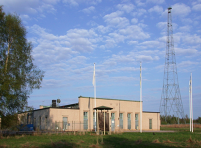
radio station
Wikipedia
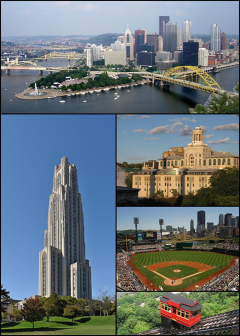
Pittsburgh, Pennsylvania
Wikipedia

KDKA (AM)
Wikipedia
U.S. presidential election, 1920
Wikipedia
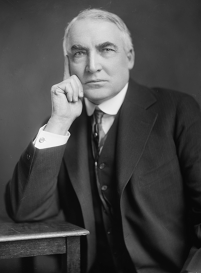
U.S. presidential election
Wikipedia

KDKA (AM)
Wikipedia

Pittsburgh
Wikipedia

Radio broadcasting
Wikipedia

1920 United States presidential election
Wikipedia

Broadcasting
Wikipedia

Philadelphia
Wikipedia

Pennsylvania
Wikipedia
What Else Happened on November 2
A foreign ruler was murdered inside a Chinese imperial palace — and the emperor signed off on it. Tong Yabghu Qaghan, powerful leader of the Western Turkic Khag…
The Armagnac and Burgundian factions signed the Peace of Bicetre, temporarily halting the civil war that had consumed France while England circled. The truce ba…
The water didn't recede. It swallowed entire villages whole. The All Saints' Flood of 1570 — named for the feast day it struck — sent walls of North Sea water c…
Hundreds of Narragansett people — mostly women, children, and elderly — were sheltering inside the Great Swamp Fort when the colonial forces arrived. Not warrio…
Four British warships shattered against the rocks of the Isles of Scilly after navigators miscalculated their position by miles. This disaster forced Parliament…
Two men in a Boston tavern essentially invented American political infrastructure. Samuel Adams pushed hard for it — not a battle plan, not a declaration, just …
Talk to History
Have a conversation with historical figures who witnessed this era. Ask questions, explore perspectives, and bring history to life.