

Diem Assassinated: A Coup Escalates Vietnam's War
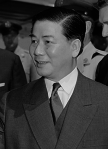
South Vietnamese generals overthrew President Ngo Dinh Diem on November 1, 1963, with tacit American approval. The coup came after months of Buddhist protests against Diem's Catholic-favoring policies, including self-immolations that shocked the world. Diem and his brother Ngo Dinh Nhu fled the presidential palace through a tunnel but were captured the next morning outside a Catholic church in Cholon. They were shot and stabbed in the back of an armored personnel carrier. Kennedy was reportedly shocked by the killings, though the CIA had been in close contact with the coup plotters. The assassination destabilized South Vietnam: seven more governments fell in the next two years. Without a strong local leader, the U.S. gradually assumed direct military responsibility, escalating from 16,000 advisors to 500,000 combat troops by 1968.
November 2, 1963
63 years ago
Key Figures & Places


What Else Happened on November 2
A foreign ruler was murdered inside a Chinese imperial palace — and the emperor signed off on it. Tong Yabghu Qaghan, powerful leader of the Western Turkic Khag…
The Armagnac and Burgundian factions signed the Peace of Bicetre, temporarily halting the civil war that had consumed France while England circled. The truce ba…
The water didn't recede. It swallowed entire villages whole. The All Saints' Flood of 1570 — named for the feast day it struck — sent walls of North Sea water c…
Hundreds of Narragansett people — mostly women, children, and elderly — were sheltering inside the Great Swamp Fort when the colonial forces arrived. Not warrio…
Four British warships shattered against the rocks of the Isles of Scilly after navigators miscalculated their position by miles. This disaster forced Parliament…
Two men in a Boston tavern essentially invented American political infrastructure. Samuel Adams pushed hard for it — not a battle plan, not a declaration, just …
Talk to History
Have a conversation with historical figures who witnessed this era. Ask questions, explore perspectives, and bring history to life.