

Gandhi Arrested in South Africa: Nonviolent Resistance Born
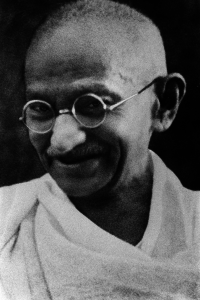
Mohandas Gandhi was arrested in South Africa on November 6, 1913, while leading a march of Indian miners protesting the three-pound annual tax on indentured laborers and the government's refusal to recognize non-Christian marriages. Gandhi had already spent 20 years in South Africa developing the philosophy of satyagraha, 'truth-force,' a method of nonviolent resistance that combined civil disobedience with a willingness to accept suffering. His arrest during the miners' march drew international attention and forced the South African government to negotiate. The Indian Relief Act of 1914 abolished the tax and recognized Indian marriages. Gandhi returned to India the following year and applied the same techniques against the British Empire. The tools he forged in South Africa would eventually dismantle the Raj.
November 6, 1913
113 years ago
Key Figures & Places


What Else Happened on November 6
Constantius II handed power to a man he genuinely expected to fail. Julian was a bookish scholar, barely tested, given Gaul almost as a placeholder — someone co…
A powerful earthquake destroyed large sections of the Walls of Constantinople, toppling 57 towers and leaving the city exposed. The Byzantine government mobiliz…
Emperor Otto I convened the Synod of Rome at St. Peter's Basilica to depose Pope John XII, citing the pontiff's armed rebellion against imperial authority. This…
King Henry III seals the Charter of the Forest at St Paul's Cathedral, restoring free men's access to royal lands that William the Conqueror and his heirs had r…
He didn't arrive with flags or fanfare. Cabeza de Vaca washed ashore half-dead, part of a doomed expedition that lost 600 men to storms, disease, and disaster. …
He was winning. Gustavus Adolphus had just shattered Imperial lines at Lützen when fog swallowed him whole — and somewhere in that chaos, Sweden's king took a b…
Talk to History
Have a conversation with historical figures who witnessed this era. Ask questions, explore perspectives, and bring history to life.