

Thomas Nast Draws Elephant: Symbol of the GOP
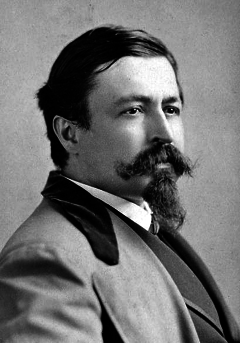
Thomas Nast drew an elephant labeled 'The Republican Vote' in Harper's Weekly on November 7, 1874, creating the symbol that has defined the Republican Party ever since. The cartoon depicted various animals in a political allegory: a donkey in a lion's skin (Democrats) scaring other animals, including the Republican elephant, toward a pit. Nast was already the most influential political cartoonist in America, having helped bring down Boss Tweed's Tammany Hall ring through savage caricatures. He also popularized the donkey as the Democratic symbol, though Andrew Jackson had used it first. The elephant stuck because Nast kept drawing it. His visual shorthand proved that a single image could brand a political party more effectively than any speech or platform. Nast also shaped the modern image of Santa Claus through his Christmas illustrations.
November 7, 1874
152 years ago
Key Figures & Places




What Else Happened on November 7
The charge sounds almost absurdly mundane — a grain fleet, sitting idle. But that's what brought Athanasius of Alexandria down. Emperor Constantine didn't exile…
The Sixth Ecumenical Council convened in Constantinople under Emperor Constantine IV to resolve the Monothelite controversy over whether Christ had one will or …
Charles the Simple and Henry the Fowler signed a peace treaty along the Rhine, formally recognizing their shared border in 921 AD. This pact ended decades of Fr…
Fifty thousand Ming soldiers. Ambushed. Gone — in a single night near the marshes of Tốt Động. Lê Lợi's rebels had spent years bleeding in the mountains of Lam …
A 280-pound rock fell from a clear sky and buried itself six feet into a wheat field. A young boy watched it hit. Villagers rushed out, chipped off pieces as so…
Christopher Columbus returned to Spain from his fourth and final voyage, broken in health and stripped of most of his titles. He had discovered Central American…
Talk to History
Have a conversation with historical figures who witnessed this era. Ask questions, explore perspectives, and bring history to life.