

Cortes Enters Tenochtitlan: Fall of the Aztec Empire Begins
Hernan Cortes and roughly 400 Spanish soldiers marched into Tenochtitlan on November 8, 1519, entering one of the world's largest cities, home to at least 200,000 people. Aztec emperor Moctezuma II received them with elaborate ceremony along a raised causeway leading to the island capital. The Spanish were stunned: Tenochtitlan sat on a lake, connected by causeways, with aqueducts, markets larger than any in Europe, and pyramids rising above the water. Cortes's advantage wasn't military but political: he had recruited thousands of indigenous allies, particularly the Tlaxcalans, who hated Aztec tribute demands. Within weeks, Cortes took Moctezuma hostage. The emperor was killed during an uprising in June 1520. Cortes was driven from the city but returned with reinforcements and siege tactics. Tenochtitlan fell on August 13, 1521.
November 8, 1519
507 years ago
Key Figures & Places
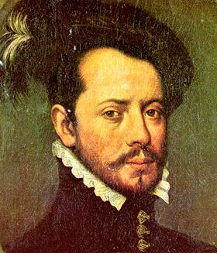
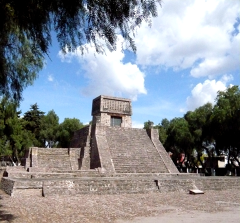

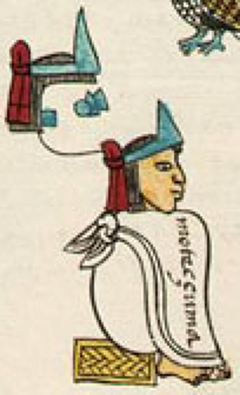


What Else Happened on November 8
Sayf al-Dawla had terrorized Byzantine frontiers for decades. Brilliant. Relentless. Nearly untouchable. Then Leo Phokas the Younger lured him into the Andrasso…
He wasn't sick. He wasn't overthrown. Trần Thánh Tông simply handed power to his son Trần Khâm and walked away from the throne by choice. No coup, no crisis — j…
Venetian authorities forced glassmakers to relocate their furnaces to the island of Murano to contain the constant threat of fire in the city’s wooden heart. Th…
Christian II ordered the execution of nearly one hundred Swedish noblemen immediately after his coronation, shattering his own promises of a general amnesty. Th…
Three days of executions. King Christian II of Denmark had promised amnesty — then ordered the killings anyway. Around 100 Swedish nobles, bishops, and burghers…
Seventeen provinces. One document. And suddenly Spain's grip on the Netherlands cracked. The Pacification of Ghent didn't start as rebellion — it started as exh…
Talk to History
Have a conversation with historical figures who witnessed this era. Ask questions, explore perspectives, and bring history to life.