

Suez Canal Opens: World's Trade Routes Reshaped Forever
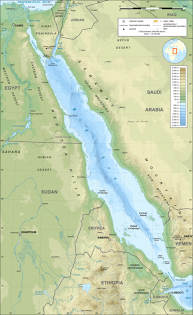
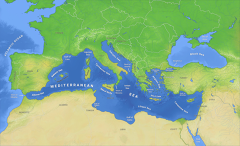
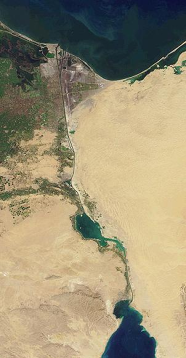
The Suez Canal opened on November 17, 1869, after ten years of construction that employed roughly 1.5 million Egyptian laborers, of whom an estimated 120,000 died from cholera, exhaustion, and other causes. Ferdinand de Lesseps, the French diplomat who championed the project, organized an extravagant opening ceremony attended by European royalty, including Empress Eugenie of France. The 101-mile canal eliminated the need to sail around Africa, cutting the journey from London to Bombay by 4,300 miles. Britain initially opposed the canal but purchased Egypt's 44% share in 1875 when Khedive Ismail needed cash. The canal became the jugular vein of the British Empire, and control of it shaped Middle Eastern politics for a century. Egypt nationalized the canal in 1956, triggering the Suez Crisis. It remains one of the world's busiest waterways.
November 17, 1869
157 years ago
Key Figures & Places



What Else Happened on November 17
Roman soldiers proclaimed Diocletian emperor near Nicomedia, launching a reign that would pull the empire back from the brink of collapse. He split the empire i…
Emperor Leo I elevated his son-in-law Zeno to the rank of co-emperor, attempting to secure the succession of the Eastern Roman Empire. The move backfired when L…
He was seven years old. Leo II ruled the Byzantine Empire for ten months — technically — but his father Zeno handled everything. The boy emperor had crowned Zen…
Emperor Kammu abandoned the sprawling Buddhist monasteries of Nara, relocating the imperial capital to Heian-kyo, modern-day Kyoto. This shift broke the politic…
Frankish magnates strip Emperor Charles the Fat of his throne at Frankfurt, fracturing the Carolingian unity he desperately tried to hold together. His nephew A…
The Taira clan navy crushed a Minamoto fleet at the Battle of Mizushima during Japan's Genpei War. The Taira used innovative tactics, lashing their ships togeth…
Talk to History
Have a conversation with historical figures who witnessed this era. Ask questions, explore perspectives, and bring history to life.