

Madero Calls for Change: Mexican Revolution Starts
Francisco Madero issued the Plan de San Luis Potosi on November 20, 1910, calling for an armed uprising against President Porfirio Diaz, who had ruled Mexico for over 30 years through rigged elections and police repression. Madero, a wealthy landowner, had run against Diaz in the 1910 election and been arrested and imprisoned before the vote. The initial uprising was poorly organized, but guerrilla leaders Pancho Villa in the north and Emiliano Zapata in the south rallied massive popular support. Diaz resigned and fled to Paris in May 1911. Madero was elected president but couldn't control the revolutionary forces he had unleashed. He was overthrown and assassinated in 1913. The revolution continued for another seven years, killing roughly one million people and remaking Mexican society, land ownership, and governance.
November 20, 1910
116 years ago
Key Figures & Places
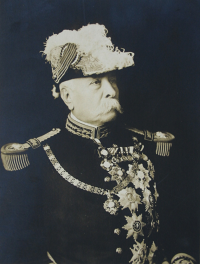
Porfirio Díaz
Wikipedia
revolution
Wikipedia

President of Mexico
Wikipedia
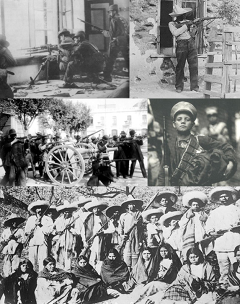
Mexican Revolution
Wikipedia
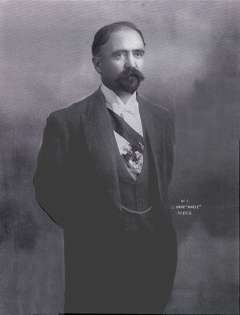
Francisco I. Madero
Wikipedia
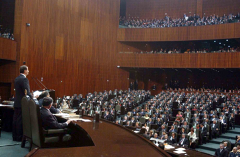
Federal government of the United Mexican States
Wikipedia

Plan of San Luis Potosí
Wikipedia

Mexican Revolution
Wikipedia

Francisco I. Madero
Wikipedia

Plan of San Luis Potosí
Wikipedia

Porfirio Díaz
Wikipedia
Revolution
Wikipedia

Federal government of Mexico
Wikipedia

Línea 1 del Metro de la Ciudad de México
Wikipedia

Tacubaya (estación)
Wikipedia

Tlatelolco (estación)
Wikipedia

Hospital General (estación)
Wikipedia

Línea 3 del Metro de la Ciudad de México
Wikipedia

Liste des chefs d'État du Mexique
Wikipedia

History of Mexico
Wikipedia
What Else Happened on November 20
A soldier, not a senator. Diocletian climbed from humble Dalmatian origins — possibly born a slave's son — to command Rome's entire imperial machine in 284 AD. …
The deal Emperor Suzong struck was brutal: let the Huihe soldiers loot Luoyang for three days after victory. Three days. A city of hundreds of thousands, handed…
Emperor Henry VI stormed Palermo on Christmas Day, seizing the Sicilian crown through his wife Constance's claim. The conquest united the Holy Roman Empire with…
Henry VI, Holy Roman Emperor, conquered Palermo and claimed the Kingdom of Sicily through his wife Constance, uniting it with the Holy Roman Empire. The conques…
John the Fearless and Louis of Valois signed a truce on November 20, 1407, only for Burgundy's men to murder the Duke of Orléans three days later. This betrayal…
John the Fearless, Duke of Burgundy, and Louis of Valois, Duke of Orleans, agreed to a truce brokered by the Duke of Berry to end their violent rivalry for cont…
Talk to History
Have a conversation with historical figures who witnessed this era. Ask questions, explore perspectives, and bring history to life.