

Nuremberg Trials: Justice Against Nazi War Crimes
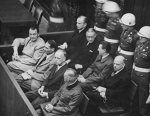
The International Military Tribunal opened in Nuremberg on November 20, 1945, charging 24 senior Nazi leaders with conspiracy, crimes against peace, war crimes, and crimes against humanity. The concept of crimes against humanity was new to international law. The defendants included Hermann Goering, Rudolf Hess, Albert Speer, and Joachim von Ribbentrop. The trial lasted 11 months. The prosecution presented 4,000 documents and showed footage from liberated concentration camps that shocked the courtroom and the world. Twelve defendants were sentenced to death, seven received prison terms, and three were acquitted. Goering swallowed cyanide hours before his scheduled execution. The Nuremberg principles established that 'following orders' is not a defense for atrocities and that heads of state can be held personally accountable, foundations of modern international criminal law.
November 20, 1945
81 years ago
Key Figures & Places

What Else Happened on November 20
A soldier, not a senator. Diocletian climbed from humble Dalmatian origins — possibly born a slave's son — to command Rome's entire imperial machine in 284 AD. …
The deal Emperor Suzong struck was brutal: let the Huihe soldiers loot Luoyang for three days after victory. Three days. A city of hundreds of thousands, handed…
Emperor Henry VI stormed Palermo on Christmas Day, seizing the Sicilian crown through his wife Constance's claim. The conquest united the Holy Roman Empire with…
Henry VI, Holy Roman Emperor, conquered Palermo and claimed the Kingdom of Sicily through his wife Constance, uniting it with the Holy Roman Empire. The conques…
John the Fearless and Louis of Valois signed a truce on November 20, 1407, only for Burgundy's men to murder the Duke of Orléans three days later. This betrayal…
John the Fearless, Duke of Burgundy, and Louis of Valois, Duke of Orleans, agreed to a truce brokered by the Duke of Berry to end their violent rivalry for cont…
Talk to History
Have a conversation with historical figures who witnessed this era. Ask questions, explore perspectives, and bring history to life.