

Temple Rededicated: Hanukkah's Freedom After Oppression
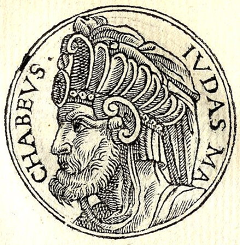
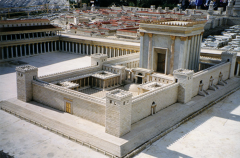
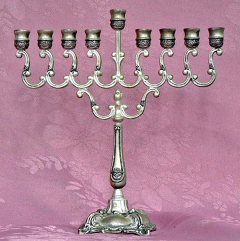
Judas Maccabeus led his fighters into Jerusalem and rededicated the Second Temple on the 25th of Kislev, 164 BCE, three years after the Seleucid king Antiochus IV had desecrated it by erecting an altar to Zeus and sacrificing pigs on it. The Maccabean Revolt had been triggered by Antiochus's attempt to suppress Jewish religious practice, forbidding circumcision, Torah study, and Sabbath observance under penalty of death. The rededication included an eight-day celebration. The Talmud, written centuries later, adds the story of a single day's supply of consecrated oil burning for eight days, the miracle at the center of modern Hanukkah observance. The holiday celebrates religious freedom and resistance to forced assimilation. The menorah, lit for eight nights with a ninth servant candle, is now one of the most recognizable symbols in Judaism.
November 21, 164 BC
Key Figures & Places
What Else Happened on November 21
Judas Maccabeus cleanses and rededicates the Jerusalem Temple after years of desecration, sparking a three-day celebration that evolved into the annual festival…
He served 43 days. That's it. Pope Anterus became the nineteenth pope in 235 AD and was dead before anyone could blink — martyred under Emperor Maximinus Thrax'…
Edward wasn't even in England. He was thousands of miles away, crusading in the Holy Land, when his father Henry III died and the crown became his. No coronatio…
Bagrat V watched his capital burn. Timur hadn't just raided Tbilisi — he'd humiliated a king who'd ruled for decades, dragging him back to Samarkand in chains. …
Forty-one male passengers aboard the Mayflower established a self-governing body by signing a compact to ensure the survival of their fledgling colony. This doc…
Ole Rømer demonstrated that light travels at a finite speed by observing the irregular timing of Jupiter’s moon Io. By calculating the delay caused by the Earth…
Talk to History
Have a conversation with historical figures who witnessed this era. Ask questions, explore perspectives, and bring history to life.