

Steam Powers The Times: London's Mass Media Era Begins
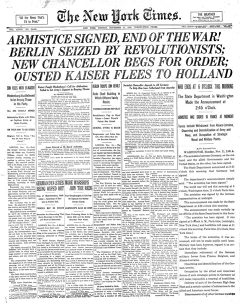
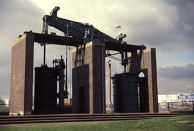
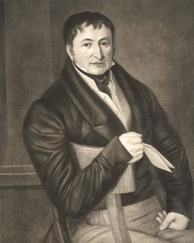
The Times of London printed its November 29, 1814, edition on Friedrich Koenig's steam-powered press, the first newspaper ever produced by steam. The machine could print 1,100 sheets per hour, five times faster than the hand-operated Stanhope press it replaced. Publisher John Walter II had installed the machines in secret, fearing his pressmen would destroy them. He announced the change after the first edition was printed, telling the workers their wages would continue until they found new employment. Koenig, a German inventor, had been trying to sell his press design for years. The Times gave him his break. The steam press transformed newspaper economics: lower production costs meant lower prices, which meant larger audiences. Within decades, cheap daily papers became mass-market products. The penny press revolution of the 1830s would have been impossible without Koenig's invention.
November 28, 1814
212 years ago
Key Figures & Places




What Else Happened on November 28
King Guntram of Burgundy formally adopted his nephew Childebert II as his successor, unifying the fractured Merovingian kingdoms under a single line of successi…
Shi Jingtang didn't win his throne — he bought it. To secure Liao's military backing against Emperor Fei of Later Tang, he handed over the strategically critica…
A bishop and a count. That's who Pope Urban II trusted to command one of history's most audacious military campaigns. Adhemar of Le Puy wasn't a general — he wa…
Skanderbeg seized the fortress of Kruja by tricking the Ottoman garrison with a forged sultan’s decree, reclaiming his ancestral lands. By raising the double-he…
Emperor Lê Thánh Tông launched a massive naval and land invasion against the Champa Kingdom, dismantling the Vijaya capital. This decisive campaign shattered Ch…

Magellan's fleet pushed through a treacherous 373-mile channel at Cape Virgenes, driving three surviving ships into the vast, calm waters he named the Pacific O…
Talk to History
Have a conversation with historical figures who witnessed this era. Ask questions, explore perspectives, and bring history to life.