

Rosa Parks Refuses to Move: Civil Rights Movement Ignites
Rosa Parks refused to give up her seat to a white passenger on a Montgomery city bus on December 1, 1955, and was arrested for violating Alabama's segregation laws. Parks was not simply a tired seamstress acting spontaneously: she was secretary of the local NAACP chapter and had attended a training workshop at the Highlander Folk School. Her arrest was the planned test case that Montgomery's Black leaders had been waiting for. The 381-day bus boycott that followed was organized by a coalition led by the 26-year-old pastor Martin Luther King Jr. Roughly 40,000 Black residents walked, carpooled, and rode bicycles rather than use the buses. The boycott cost the bus company 65% of its revenue. The Supreme Court ruled bus segregation unconstitutional in Browder v. Gayle on November 13, 1956. Parks became the 'mother of the civil rights movement.'
December 1, 1955
71 years ago
Key Figures & Places
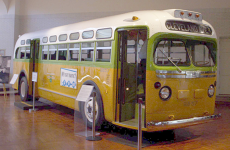
Montgomery Bus Boycott
Wikipedia
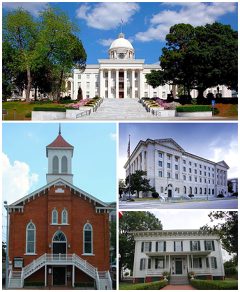
Montgomery, Alabama
Wikipedia
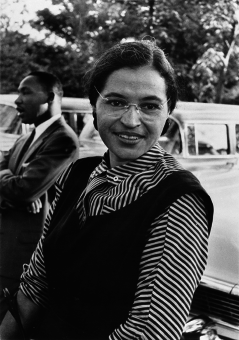
Rosa Parks
Wikipedia
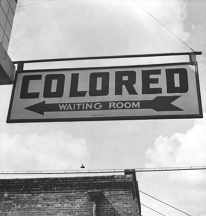
racial segregation
Wikipedia
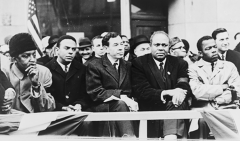
African-American Civil Rights Movement (1955-1968)
Wikipedia

Civil rights movement
Wikipedia

Montgomery, Alabama
Wikipedia

Rosa Parks
Wikipedia

Racial segregation
Wikipedia

Montgomery bus boycott
Wikipedia

English language
Wikipedia

Idioma islandés
Wikipedia

African American
Wikipedia
White people
Wikipedia

segregation
Wikipedia

United States
Wikipedia
Barack Obama
Wikipedia
Democratic Party (United States)
Wikipedia

Hillary Clinton
Wikipedia

Madeleine Albright
Wikipedia
Condoleezza Rice
Wikipedia

Tehran Conference
Wikipedia

Franklin D. Roosevelt
Wikipedia

Soviet Union
Wikipedia

Joseph Stalin
Wikipedia

British
Wikipedia

Winston Churchill
Wikipedia
والتر برسي غاردنر
Wikipedia

Muna al-Hussein
Wikipedia
What Else Happened on December 1
Pope Leo III staggered into St. Peter's, his face still scarred from the Roman mob that tried to gouge out his eyes and cut out his tongue six months earlier. H…
Charlemagne sat in judgment of a pope. The charges against Leo III were serious—perjury, adultery, simony—brought by nephews of his predecessor who'd ambushed h…
Henry V rode through Paris's gates with 300 knights. The French king was alive but mad, locked in his own palace while his son-in-law claimed the throne. No sie…
Henry V paraded through the streets of Paris alongside his father-in-law, Charles VI, asserting his claim to the French throne following the Treaty of Troyes. T…
Queen Elizabeth I knighted her favorites Christopher Hatton and Thomas Heneage during a private ceremony at Windsor Castle. By elevating these men to the knight…
A 46-year-old spymaster with a network stretching from Venice to Constantinople got his knighthood — not for battlefield valor but for intercepting letters. Wal…
Talk to History
Have a conversation with historical figures who witnessed this era. Ask questions, explore perspectives, and bring history to life.