

Antarctic Treaty Signed: Cold War Cooperation for Science
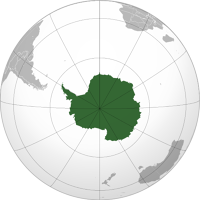
Twelve nations signed the Antarctic Treaty on December 1, 1959, reserving the entire continent for peaceful scientific research and prohibiting military activity, nuclear testing, and mineral mining. The treaty was remarkable because it was negotiated during the Cold War between the United States and Soviet Union, who agreed to set aside territorial claims and cooperate in one of the few places on Earth where neither had strategic interests at stake. Seven nations had existing territorial claims to parts of Antarctica; the treaty froze those claims without resolving them. Any nation conducting scientific research could accede to the treaty. Today, 54 nations are parties. The treaty established the Antarctic Treaty System, which has successfully governed the continent for over six decades, making Antarctica the only landmass without a military presence or sovereignty disputes.
December 1, 1959
67 years ago
Key Figures & Places

What Else Happened on December 1
Pope Leo III staggered into St. Peter's, his face still scarred from the Roman mob that tried to gouge out his eyes and cut out his tongue six months earlier. H…
Charlemagne sat in judgment of a pope. The charges against Leo III were serious—perjury, adultery, simony—brought by nephews of his predecessor who'd ambushed h…
Henry V rode through Paris's gates with 300 knights. The French king was alive but mad, locked in his own palace while his son-in-law claimed the throne. No sie…
Henry V paraded through the streets of Paris alongside his father-in-law, Charles VI, asserting his claim to the French throne following the Treaty of Troyes. T…
Queen Elizabeth I knighted her favorites Christopher Hatton and Thomas Heneage during a private ceremony at Windsor Castle. By elevating these men to the knight…
A 46-year-old spymaster with a network stretching from Venice to Constantinople got his knighthood — not for battlefield valor but for intercepting letters. Wal…
Talk to History
Have a conversation with historical figures who witnessed this era. Ask questions, explore perspectives, and bring history to life.