

Heart Transplant Succeeds: Barnard Opens Medical Frontier
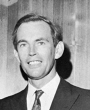
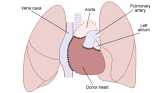
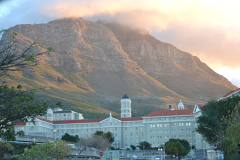
Christiaan Barnard performed the first human-to-human heart transplant at Groote Schuur Hospital in Cape Town, South Africa, on December 3, 1967. The donor was Denise Darvall, a 25-year-old woman fatally injured in a car accident. The recipient was Louis Washkansky, a 54-year-old grocer dying of heart failure. The surgery lasted nine hours. Washkansky survived 18 days before dying of pneumonia because the immunosuppressive drugs that prevented his body from rejecting the new heart also destroyed his ability to fight infection. Barnard became an instant global celebrity. His second transplant patient, Philip Blaiberg, survived 594 days. The procedure's early mortality rate was discouraging, but the introduction of cyclosporine in the 1980s revolutionized anti-rejection therapy. Today, roughly 6,000 heart transplants are performed annually worldwide.
December 3, 1967
59 years ago
Key Figures & Places


What Else Happened on December 3
Pope John X crowned Berengar I as Holy Roman Emperor, formalizing a desperate alliance to expel Saracen raiders from their fortified base on the Garigliano Rive…
John Paul Jones raised the Grand Union Flag on the USS Alfred, making it the first ship to display this early symbol of American unity. The flag's thirteen alte…
The Austrians won at Wiesloch, but nobody remembers. Sztáray de Nagy-Mihaly pushed back French forces in this small Baden town, briefly reversing Radical France…
The Electoral College produced an unprecedented tie between Thomas Jefferson and his own running mate Aaron Burr, each receiving 73 votes. The deadlock threw th…
French General Moreau routed Austrian Archduke John's forces near Munich in a blinding snowstorm, killing or capturing 14,000 troops. Combined with Napoleon's e…
Illinois entered the Union with a lie already in place. The state constitution banned slavery — except it didn't. Existing enslaved people stayed enslaved. Salt…
Talk to History
Have a conversation with historical figures who witnessed this era. Ask questions, explore perspectives, and bring history to life.