

Washington Monument Stands: World's Tallest Obelisk
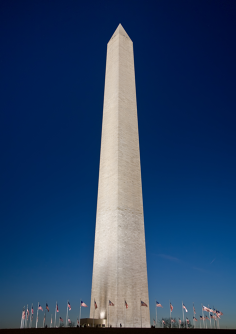
Workers placed a nine-inch, 100-ounce aluminum capstone atop the Washington Monument on December 6, 1884, completing the world's tallest structure at 555 feet 5 inches. Aluminum was chosen because it was the most expensive metal available at the time, rarer than silver. Construction had begun in 1848 but was halted by the Civil War and funding disputes for 23 years, leaving a visible color change in the marble at the 156-foot mark where construction resumed with stone from a different quarry. The monument held the tallest-structure record for only five years before the Eiffel Tower surpassed it in 1889. Inside, 897 steps lead to an observation deck at 500 feet. The monument contains 193 commemorative stones donated by states, cities, foreign nations, and organizations. An earthquake in 2011 cracked some of the stones, requiring three years of repairs.
December 6, 1884
142 years ago
Key Figures & Places
What Else Happened on December 6
Béla I ascended the Hungarian throne after defeating his brother, Andrew I, in a decisive civil war. His reign stabilized the kingdom by standardizing currency …

Batu Khan's Mongol army besieged and sacked Kiev on December 6, 1240, using catapults, battering rams, and overwhelming numbers to breach the city's walls. The …
Christopher Columbus steps ashore on a new island after mistaking Cuba for Japan and searching for gold. He names this land Hispaniola, establishing the first p…
Sebastián de Belalcázar established the city of Quito atop the ruins of an Inca capital, securing a strategic foothold in the northern Andes for the Spanish Cro…
Colonel Thomas Pride barred over 140 moderate members from the House of Commons, purging the legislature of those who favored reconciliation with Charles I. Thi…
Two hundred and thirty-one members of Parliament arrived at Westminster that December morning. Only 154 made it inside. Colonel Thomas Pride and his musketeers …
Talk to History
Have a conversation with historical figures who witnessed this era. Ask questions, explore perspectives, and bring history to life.