

Historical Figure
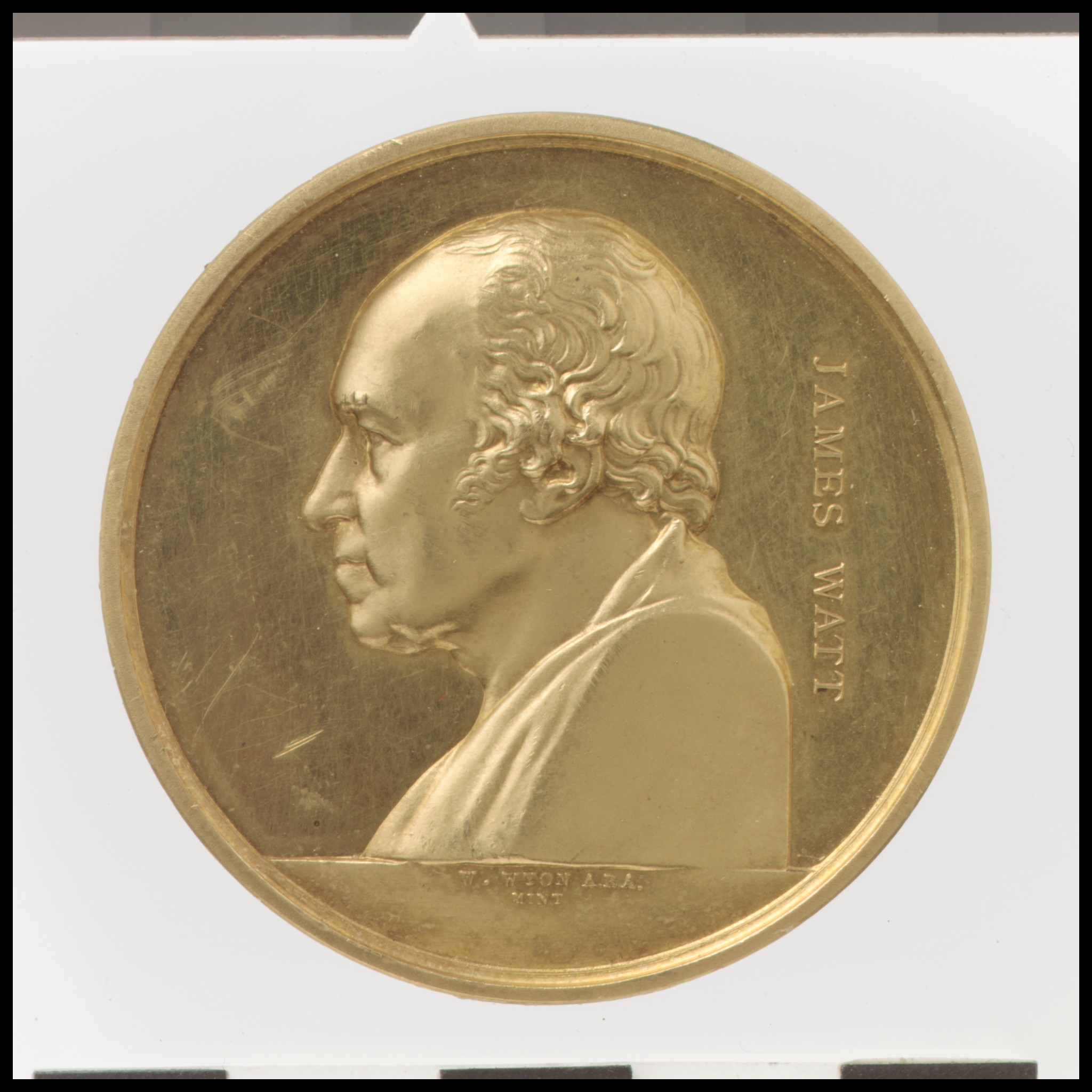
James Watt
1736–1819
Scottish inventor, engineer and chemist (1736–1819)
Talk to James Watt
Have a conversation with this historical figure through AI
Biography
James Watt was a Scottish inventor, engineer and chemist who improved on Thomas Newcomen's 1712 Newcomen steam engine with his Watt steam engine in 1776, which was fundamental to the changes brought by the Industrial Revolution in both his native Great Britain and the rest of the world.
In Their Own Words (2)
It is not worth my while to manufacture in three countries only; but I can find it very worthwhile to make it for the whole world.
Attributed to James Watt in: Joel Mokyr, The lever of riches: Technological creativity and economic progress. Oxford University Press, 1992. p, 245 , 1992
I can think of nothing else than this machine.
in a letter to a friend, Dr. Lind, April 29, 1765. , 1765
Timeline
The story of James Watt, told in moments.
Walking across Glasgow Green on a Sunday afternoon, he realized a separate condenser would fix the Newcomen steam engine's terrible inefficiency. The idea that powered the Industrial Revolution came during a stroll.
Partnered with Matthew Boulton in Birmingham. Their improved steam engines started replacing water wheels in factories. Watt coined "horsepower" to help customers compare his engines to draft horses.
Retired wealthy. Spent his final years tinkering with sculpture-copying machines and chemical experiments in his workshop at Heathfield Hall.
Died at Heathfield Hall, age 83. The unit of power, the watt, was named after him in 1882. His workshop was sealed after his death and preserved intact for over a century.
Artifacts (6)

More from the Enlightenment


Explore what happened on the days that shaped James Watt's life. Today In History connects historical figures with the events, births, and deaths that defined their era. Browse all historical figures or explore today's events.