

Historical Figure
John Lewis
1940–2001
American politician and civil rights leader (1940–2020)
Talk to John Lewis
Have a conversation with this historical figure through AI
Biography
John Robert Lewis was an American civil rights activist and statesman who served in the United States House of Representatives for Georgia's 5th congressional district from 1987 until his death in 2020.
In Their Own Words (5)
I believe in nonviolence as a way of life, as a way of living.
Academy of Achievement web site (url accessed on October 22, 2008) , 2008
We may not have chosen the time, but the time has chosen us.
On the (March 2010), quoted by Speaker Nancy Pelosi in her closing remarks. See: Christopher Beam (March 21, 2010): It’s Been Real: Scenes from the Capitol in the final showdown over health care reform. In: Slate magazine. Archived from the original on November 14, 2024. See also: Julia Scatliff O'Grady (March 21, 2010): Time Has Chosen Us. In: ticktalking.wordpress.com. Archived from the original on September 10, 2014. While I intuitively grasp Speaker Pelosi and John Lewis’ intent, what does it really means for time to choose us? When one must act courageously –in matters of love or to vote for a controversial bill –it can help to imagine that time, is somehow predetermined. Time is an agent that somehow has control over us. Instead of actions being subject to whim or free will, all life has been planned ahead. While I am both thrilled and relieved for health care reform, I believe it is crucial to leave capital T time and John Calvin out of the equation and take individual responsibility for our thoughts and actions or at least wrestle with our lives without the interference of a clock that grabs us. Time cannot choose anything or anyone. It is a mistake to try to go there in political rhetoric and everyday conversations. I encourage us all to speak for ourselves while time remains on the clock." --> , 2010
I thought I was going to die a few times. On the Freedom Ride in the year 1961, when I was beaten at the Greyhound bus station in Montgomery, I thought I was going to die. On March 7th, 1965, when I was hit in the head with a night stick by a State Trooper at the foot of the Edmund Pettus Bridge, I thought I was going to die. I thought I saw death, but nothing can make me question the philosophy of nonviolence.
Academy of Achievement web site (url accessed on October 22, 2008) , 1961
A democracy cannot thrive where power remains unchecked and justice is reserved for a select few. Ignoring these cries and failing to respond to this movement is simply not an option. For peace cannot exist where justice is not served. I urge each and everyone of our colleagues to support this legislation.
Floor Statement in support of H.R. 7120, the George Floyd Justice in Policing Act: , 2020
Next time we march we may have to keep going when we get to Montgomery. We may have to on to Washington.
Told to New York Times on March 7, 1965 by Lewis, chairman of the Student Non-violent Co-ordinating Committee and organizer of the Selma to Montgomery march after police stopped the demonstrators with violence. , 1965
Timeline
The story of John Lewis, told in moments.
Joined the Freedom Rides at 21. Attacked by a mob at a bus station in Rock Hill, South Carolina. Beaten and left bloody on the ground. Got up and kept riding.
Spoke at the March on Washington at age 23. The youngest speaker. Organizers pressured him to tone down his speech. He'd originally called the Kennedy civil rights bill "too little, too late."
Led 600 marchers across the Edmund Pettus Bridge in Selma. State troopers fractured his skull with a nightstick. The footage, broadcast nationally, became known as "Bloody Sunday." He was 25.
Won his seat in the U.S. House of Representatives from Georgia's 5th district. Served 17 consecutive terms. Colleagues called him "the conscience of the Congress." Arrested over 40 times in his lifetime for civil disobedience.
Died in Atlanta of pancreatic cancer. Age 80. His final essay, published the day of his funeral, urged Americans to "get in good trouble."
Artifacts (10)
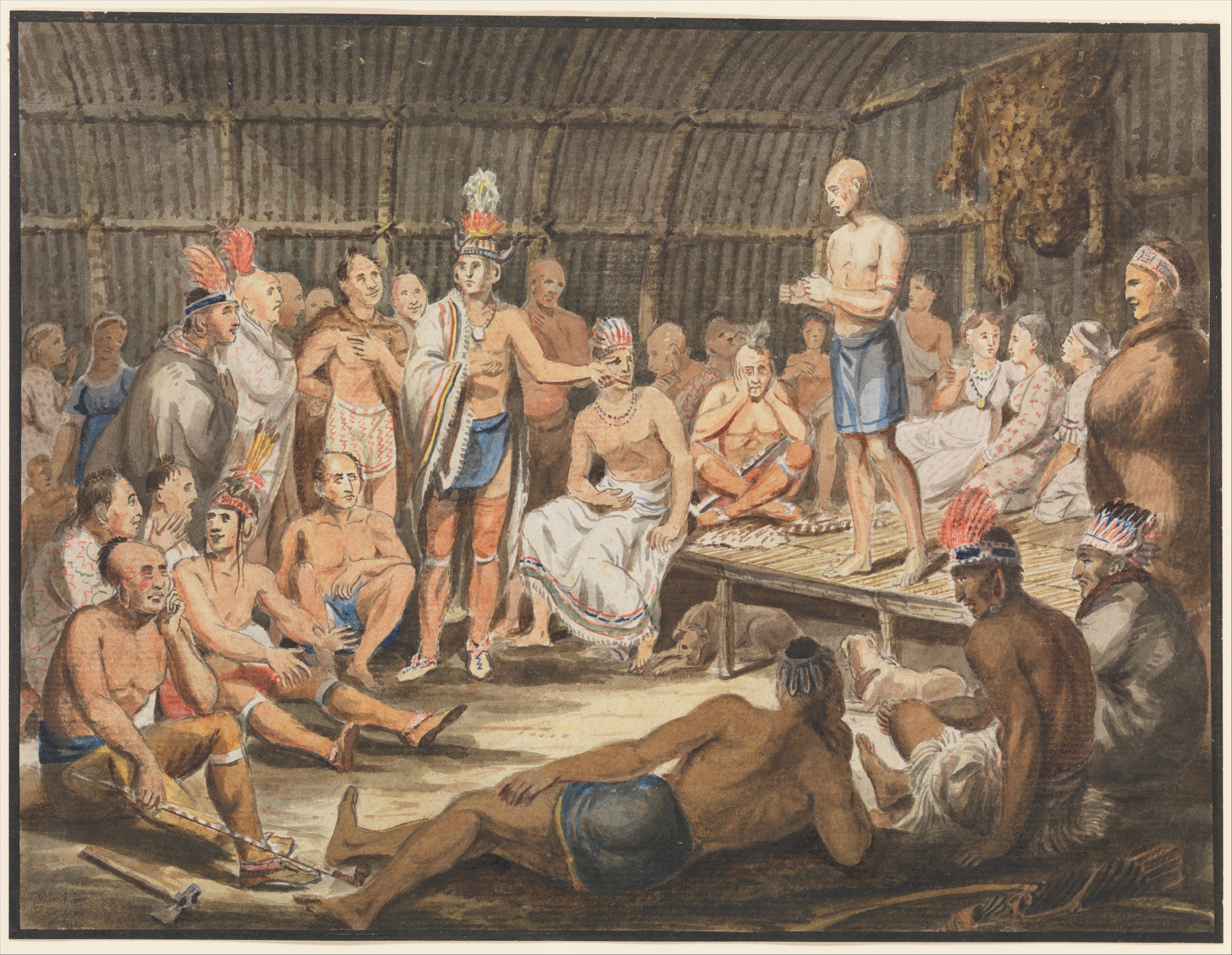
Exhibition of Indian Tribal Ceremonies at the Olympic Theater, Philadelphia
John Lewis Krimmel|Pavel Petrovich Svinin

Fourth of July in Centre Square, Philadelphia
Pavel Petrovich Svinin|John Lewis Krimmel
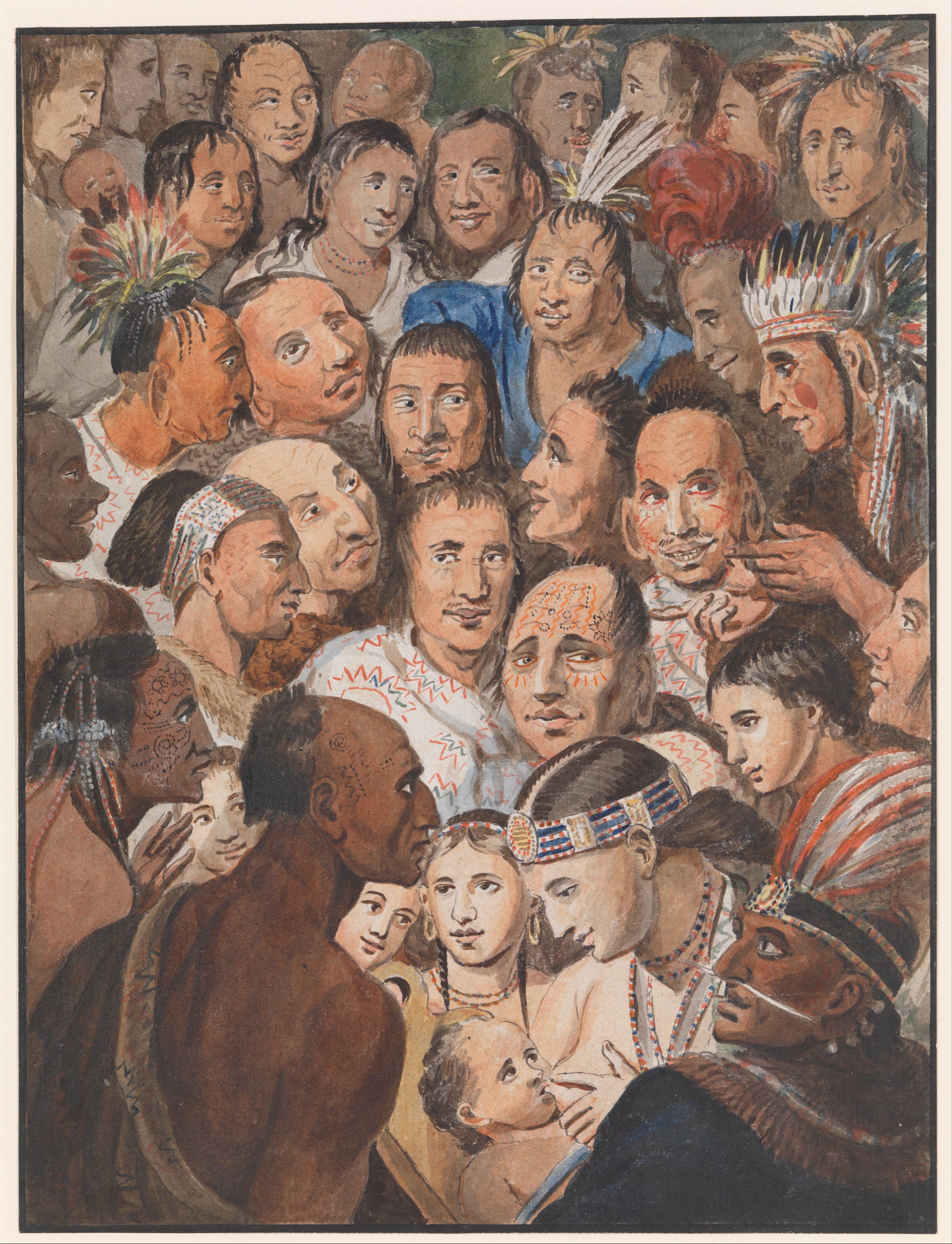
Tableau of Indian Faces
John Lewis Krimmel|Pavel Petrovich Svinin

Members of the City Troop and Other Philadelphia Soldiery
John Lewis Krimmel|Pavel Petrovich Svinin
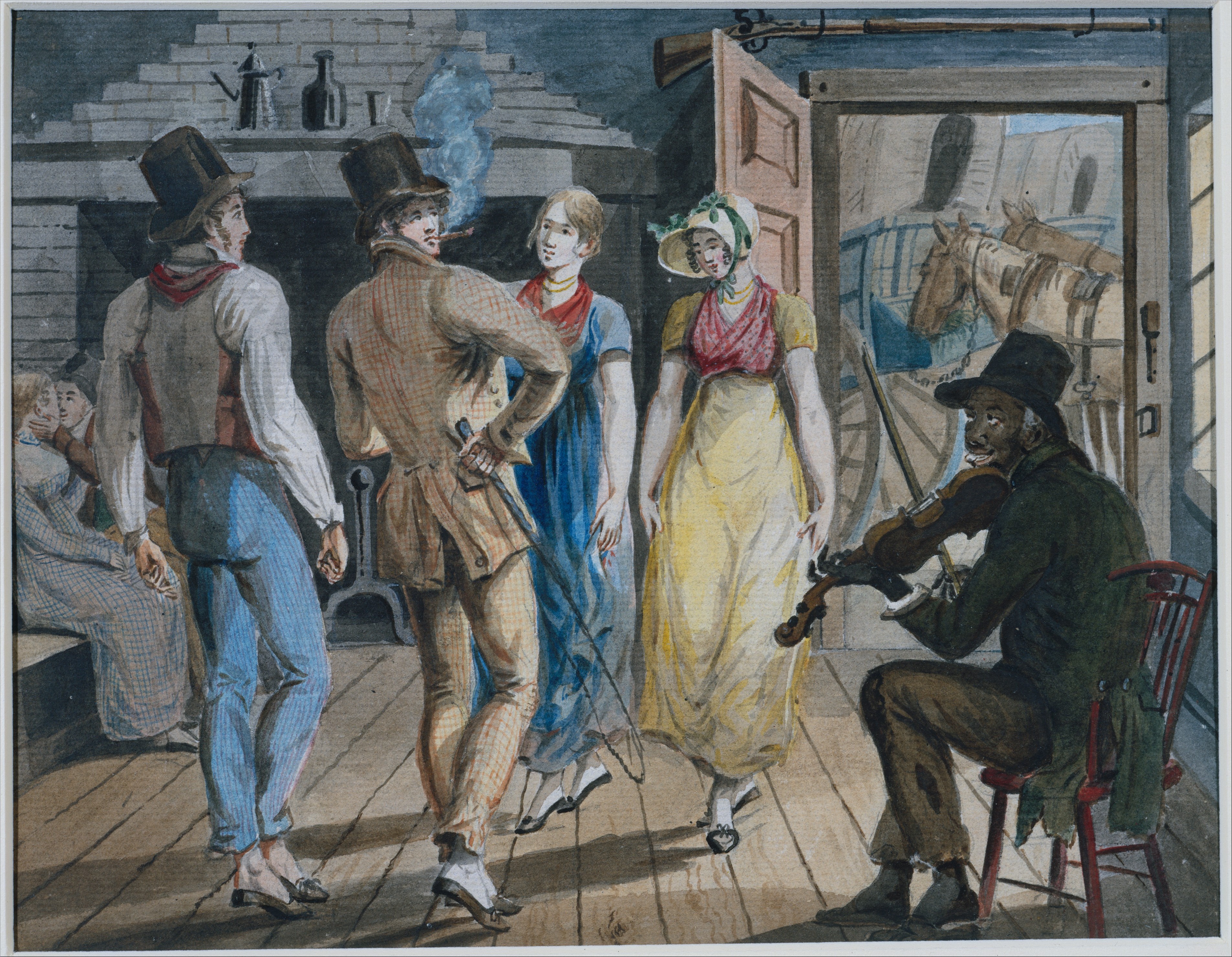
Merrymaking at a Wayside Inn
John Lewis Krimmel|Pavel Petrovich Svinin
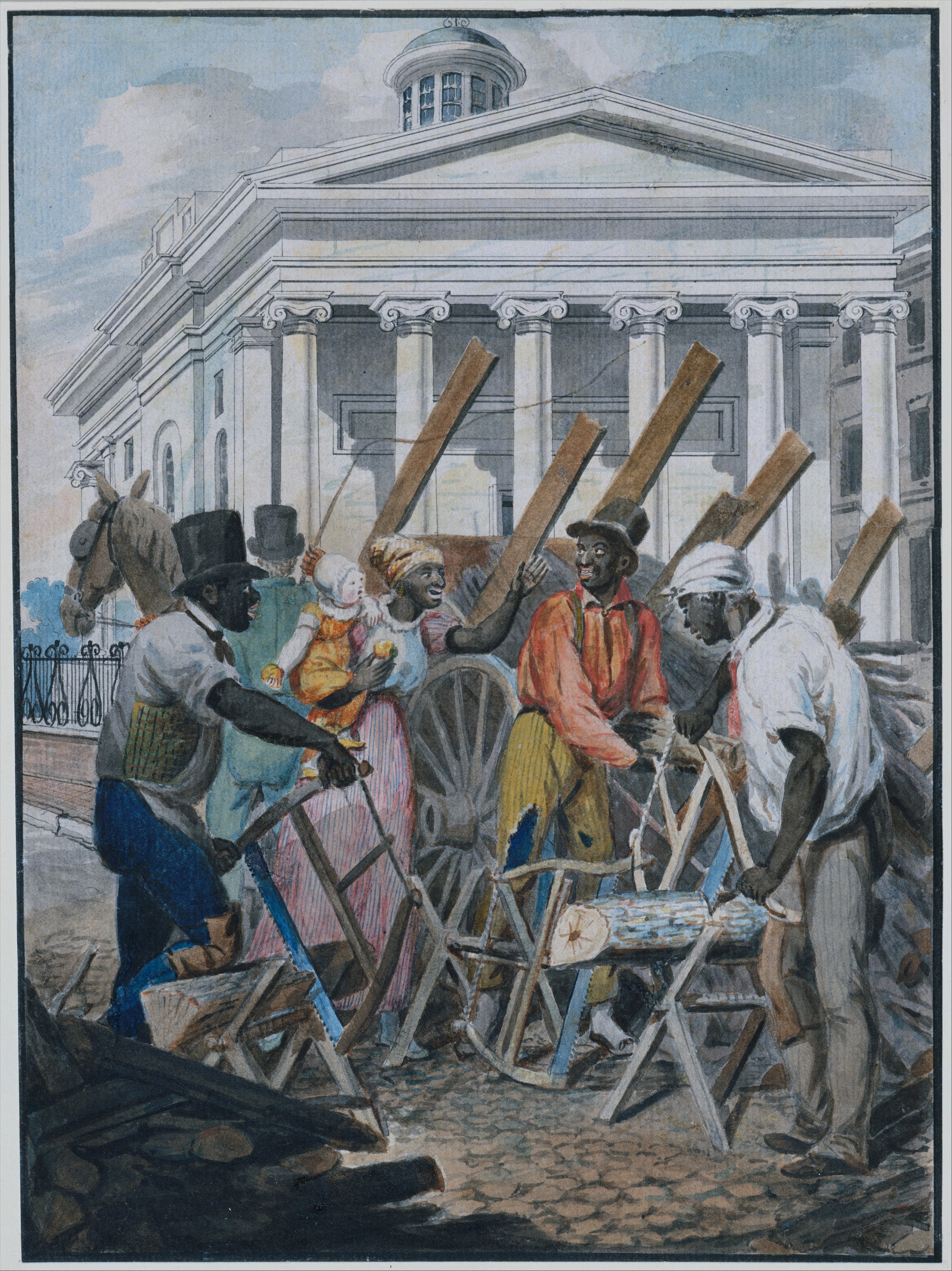
Black Sawyers Working in front of the Bank of Pennsylvania, Philadelphia
John Lewis Krimmel|Pavel Petrovich Svinin
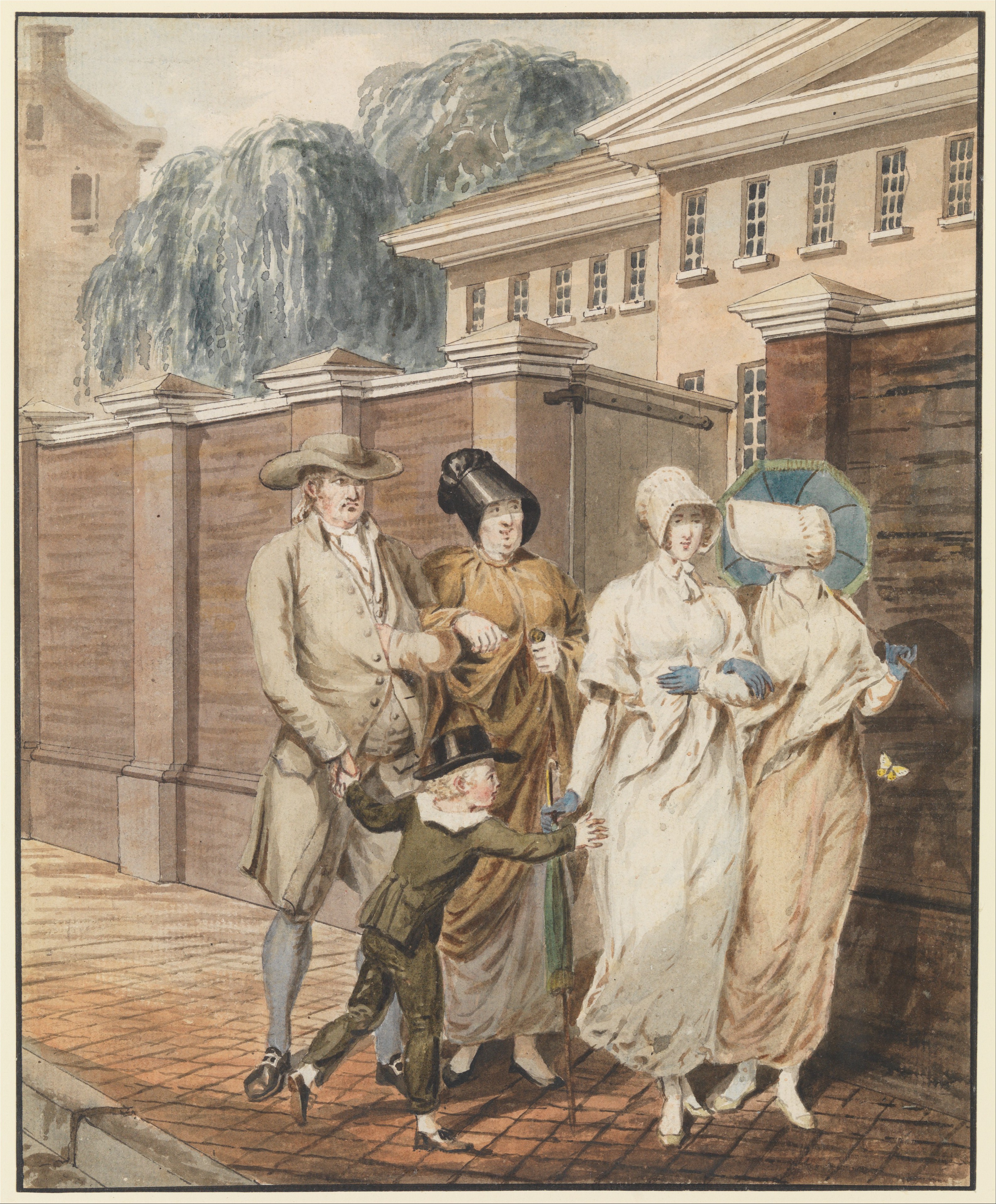
Sunday Morning in front of the Arch Street Meeting House, Philadelphia
John Lewis Krimmel|Pavel Petrovich Svinin
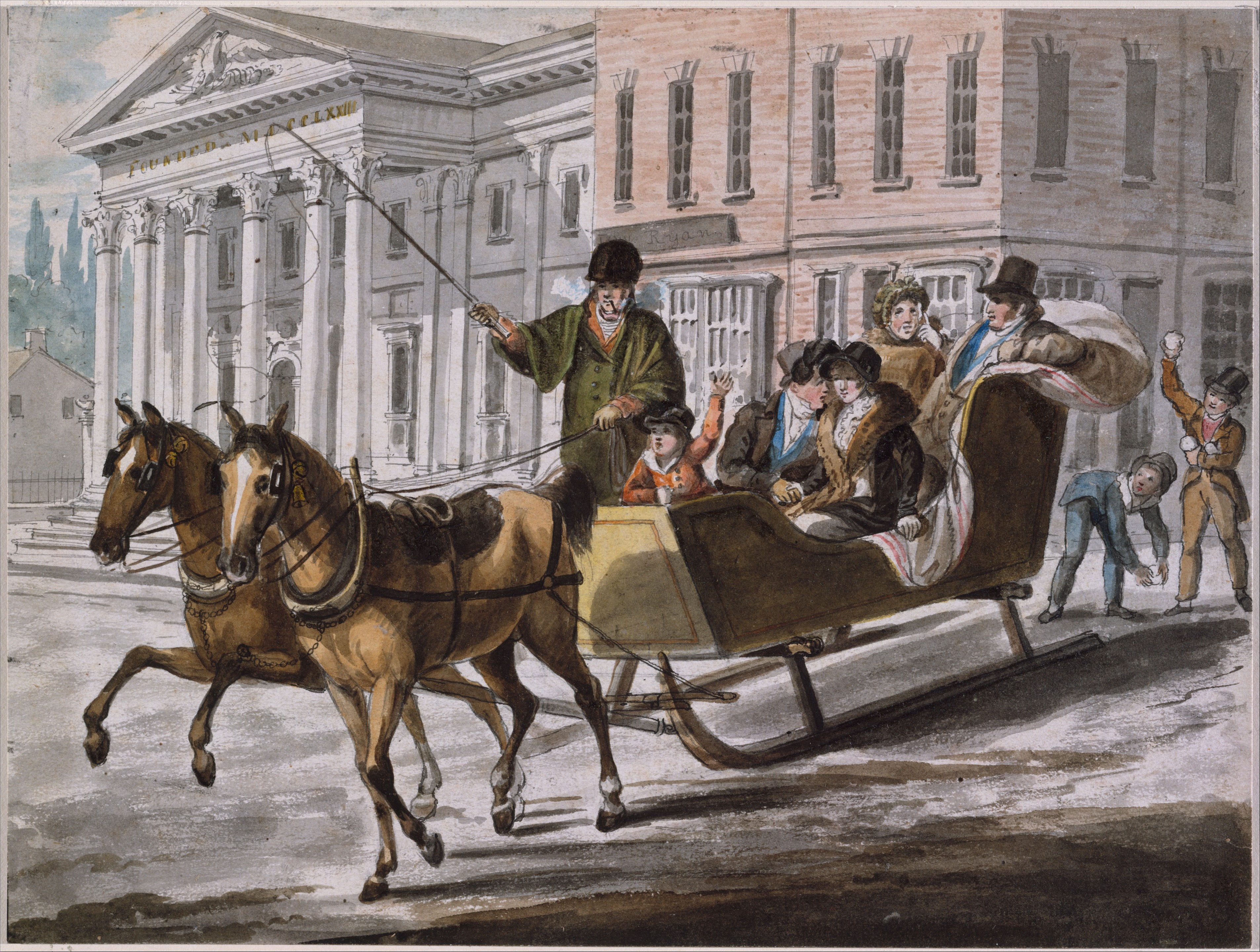
Winter Scene in Philadelphia—The Bank of the United States in the Background
John Lewis Krimmel|Pavel Petrovich Svinin
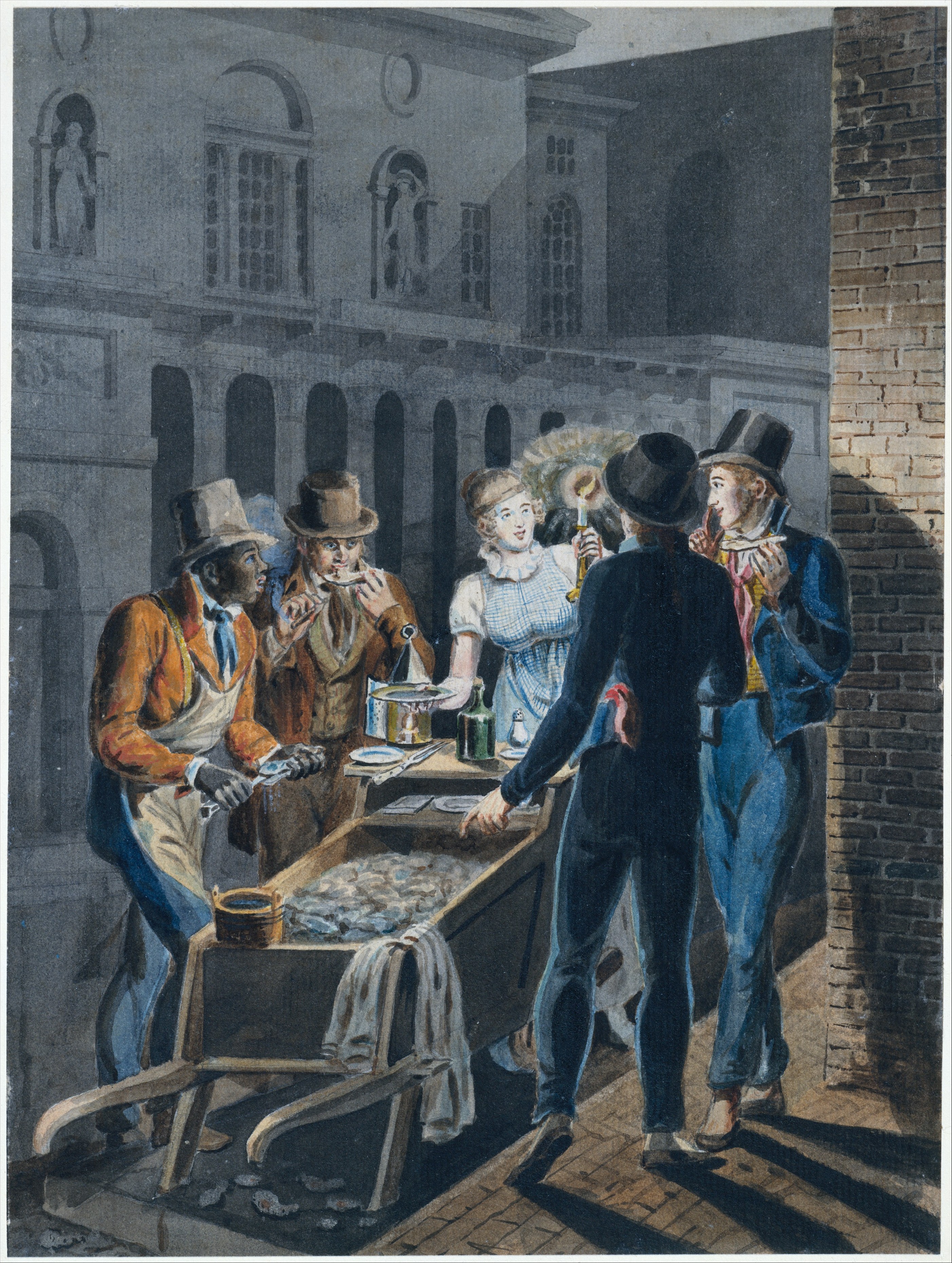
Nightlife in Philadelphia—an Oyster Barrow in front of the Chestnut Street Theater
John Lewis Krimmel|Pavel Petrovich Svinin
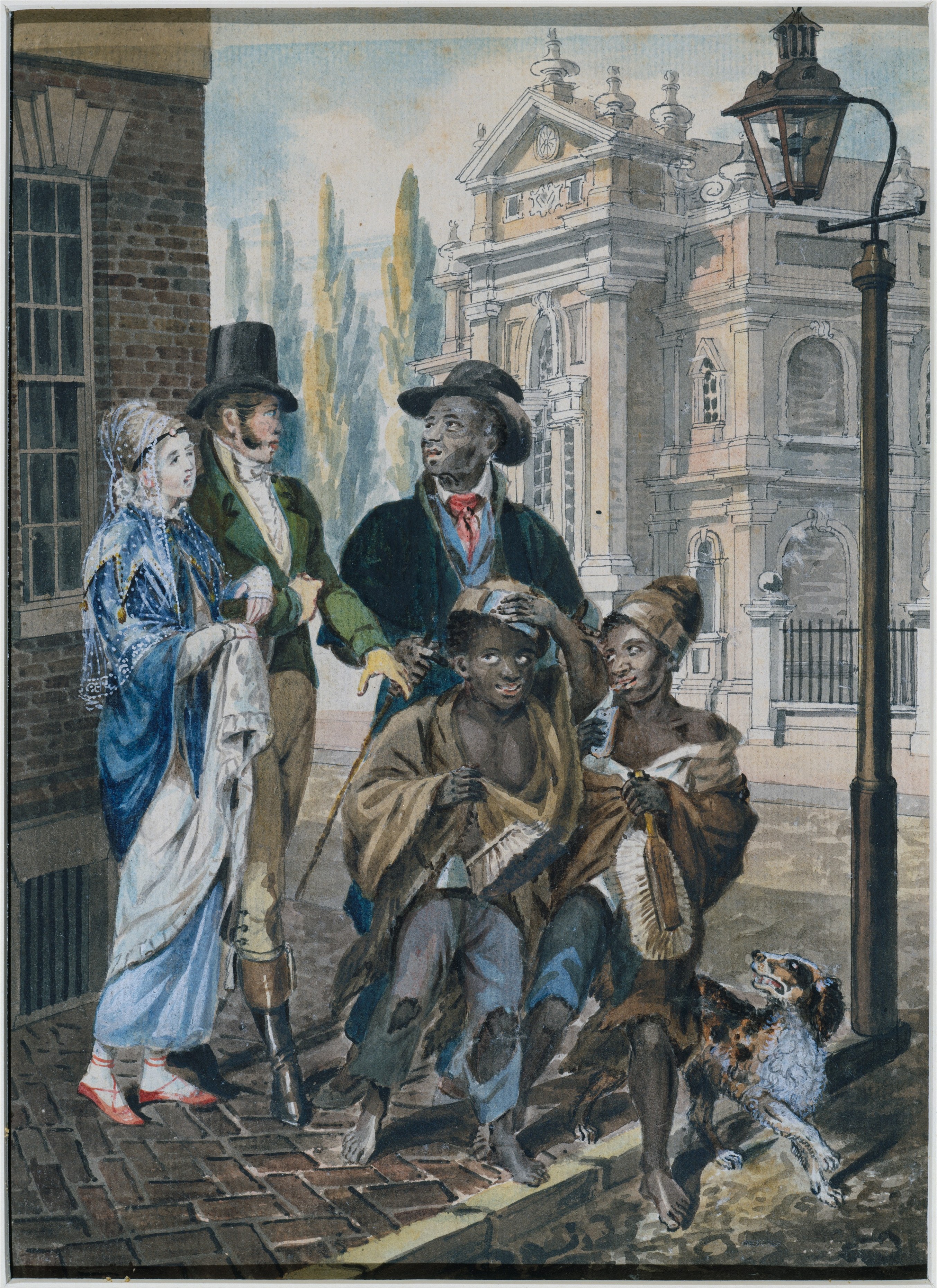
"Worldly Folk" Questioning Chimney Sweeps and Their Master before Christ Church, Philadelphia
John Lewis Krimmel|Pavel Petrovich Svinin
More from the Interwar & WWII


Explore what happened on the days that shaped John Lewis's life. Today In History connects historical figures with the events, births, and deaths that defined their era. Browse all historical figures or explore today's events.