

Historical Figure
Leonardo da Vinci
1452–1519
Italian polymath (1452–1519)
Talk to Leonardo da Vinci
Have a conversation with this historical figure through AI
Biography
Leonardo di ser Piero da Vinci was an Italian polymath of the High Renaissance who was active as a painter, draughtsman, engineer, scientist, theorist, sculptor, and architect. While his fame initially rested on his achievements as a painter, he has also become known for his notebooks, in which he made drawings and notes on a variety of subjects, including anatomy, astronomy, botany, cartography, painting, and palaeontology. Leonardo is widely regarded as a genius who epitomised the Renaissance humanist ideal, and his collective works contributed to the development of European art to an extent rivalled only by that of his younger contemporary Michelangelo.
In Their Own Words (5)
3 miglia più in là si trova li edifici della vena del rame e dello argento, presso una terra detta Pra Santo Petro e vene di ferro e cose fantastiche. (Ancient Italian)
3 miles further on are the buildings of the vein of copper and silver, near a land called Prato San Pietro and veins of iron and fantastic things. (paper F.573) , 1478
truovasi di miglio i(n) miglio bone osteriee. (Ancient Italian)
You can find good taverns from mile to mile. , 1478
Painting is poetry which is seen and not heard, and poetry is a painting which is heard but not seen. These two arts, you may call them both either poetry or painting, have here interchanged the senses by which they penetrate to the intellect.
A Treatise on Painting (1651); "The Paragone"; compiled by Francesco Melzi prior to 1542, first published as Trattato della pittura by Raffaelo du Fresne (1651) , 1651
Oysters open completely when the moon is full; and when the crab sees one it throws a piece of stone or seaweed into it and the oyster cannot close again so that it serves the crab for meat. Such is the fate of him who opens his mouth too much and thereby puts himself at the mercy of the listener.
As quoted in The 48 Laws of Power (2000) by Robert Greene, p. 33 , 2000
Of the horse I will say nothing because I know the times.
This relates to a huge equestrian statue that Leonardo had been commissioned to design and create, but which was not cast until over 500 years later, in 1999, when two huge statues based upon his design were finally made. (c.1497) , 1999
Timeline
The story of Leonardo da Vinci, told in moments.
Born out of wedlock in Vinci, a hill town in Tuscany. His father is a notary. His mother is a peasant named Caterina. Because he is illegitimate, he cannot attend university or join a guild. He is left-handed. He writes backward.
Qualifies as a master in the Guild of Saint Luke in Florence after six years under Andrea del Verrocchio. According to Vasari, Leonardo paints an angel in Verrocchio's Baptism of Christ so well that the master puts down his brush and never paints again. Probably exaggerated. But only slightly.
Moves to Milan and writes a letter to Ludovico Sforza offering his services. The letter lists ten military engineering skills. At the very end, almost as an afterthought, he mentions he can also paint.
Begins painting The Last Supper on a refectory wall in Milan. He experiments with a new technique, painting on dry plaster instead of wet. The colors are richer. The painting starts deteriorating within years. By 1556, Vasari describes it as a "muddle of blots."
Tests a flying machine. It doesn't fly. He fills notebooks with wing designs, gear mechanisms, and observations of bird flight for decades afterward. None of them fly either. The helicopter sketch will wait 450 years for the right engine.
Begins the Mona Lisa. He'll carry it with him for sixteen years, retouching it across Italy and into France. He never considers it finished. The subject is Lisa Gherardini, wife of a Florentine silk merchant. She will become the most famous face in art.
Performs illegal human dissections at the Hospital of Santa Maria Nuova in Florence. He dissects over 30 corpses and produces anatomical drawings that won't be surpassed for 300 years. He works at night, in winter, because the bodies rot slower.
Dies at the Chateau du Clos Luce in Amboise, France, a guest of King Francis I. He is 67. He leaves behind roughly 7,200 pages of notes and drawings. No finished treatise on any subject. The notebooks are scattered across Europe. Many are lost. What survives fills thirteen volumes.
Show full timeline (11 entries)
Begins work on the Vitruvian Man. A naked figure inside a circle and a square. Perfect proportions. He draws it in ink on a single sheet. It becomes the most reproduced drawing in history. He never publishes it.
A Louvre employee named Vincenzo Peruggia walks out the door with the Mona Lisa hidden under his coat. The painting is missing for two years. The theft makes it the most famous painting in the world.
Salvator Mundi, attributed to Leonardo, sells at Christie's for .3 million. The most expensive painting ever sold at auction. Some scholars doubt he painted more than a few brushstrokes of it. Others doubt it's even finished.
Artifacts (15)
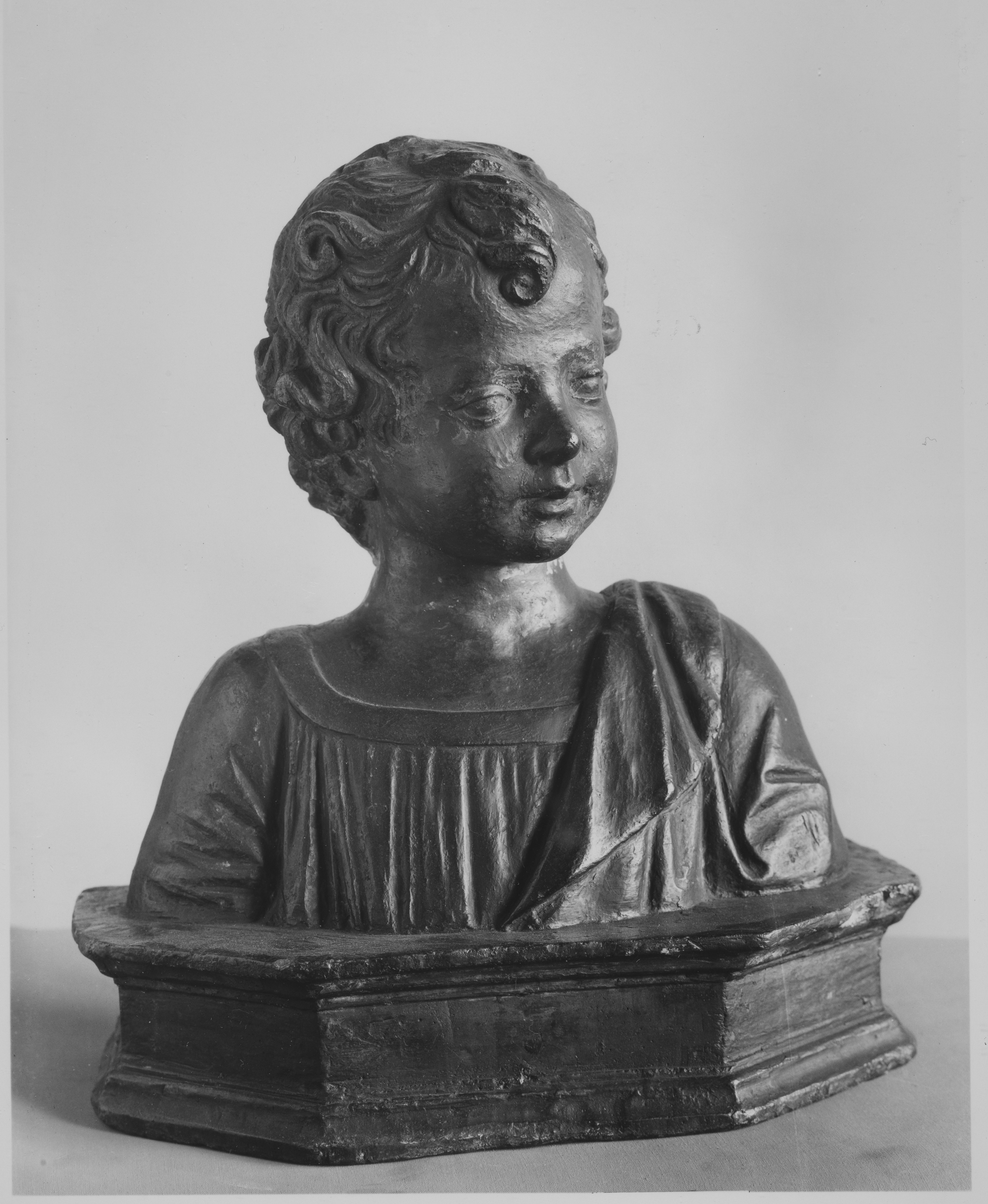

The Rape of Ganymede
Caradosso (Cristoforo Caradosso Foppa)|Leonardo da Vinci
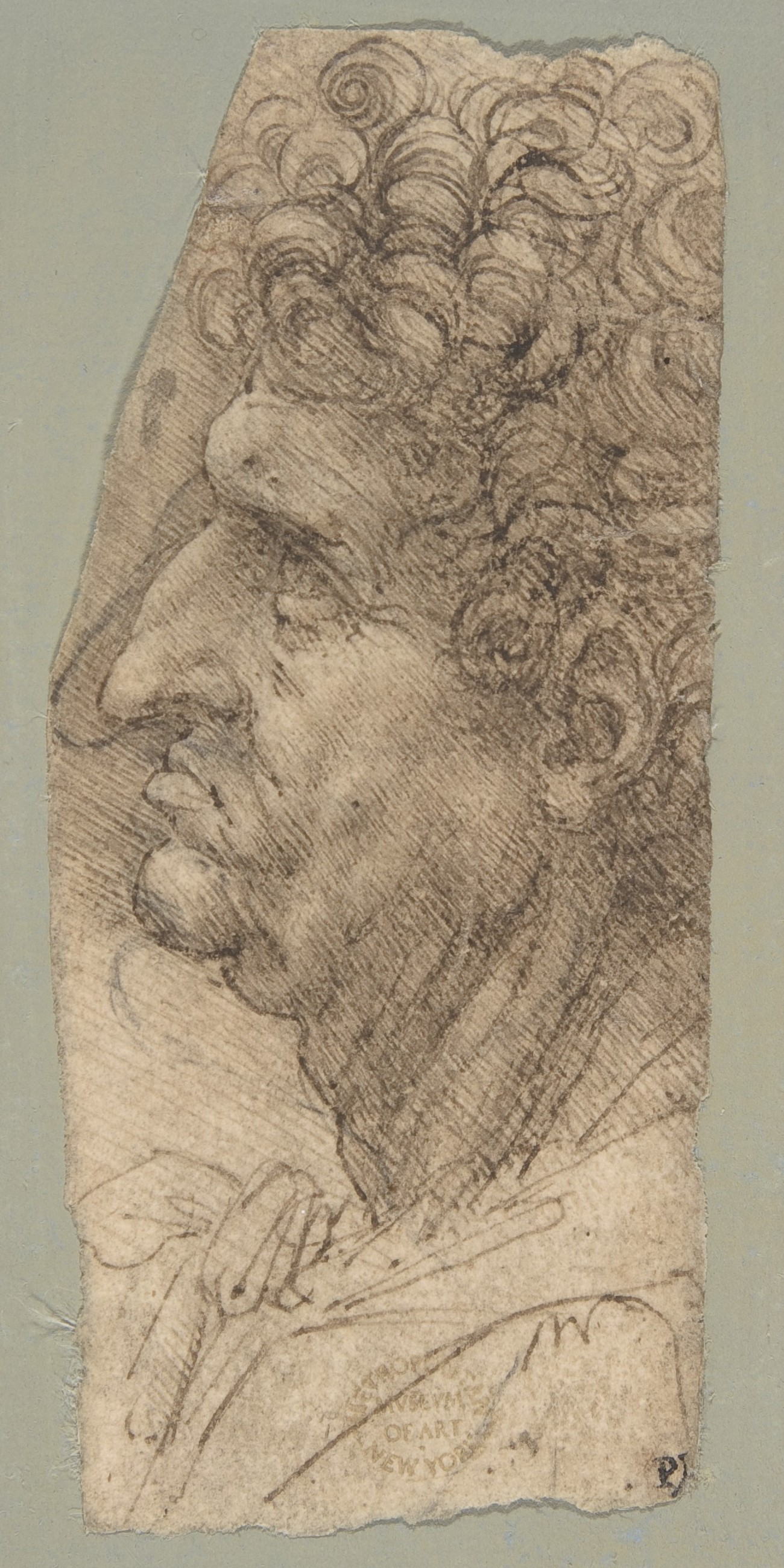
Head of a Man in Profile Facing to the Left
Leonardo da Vinci
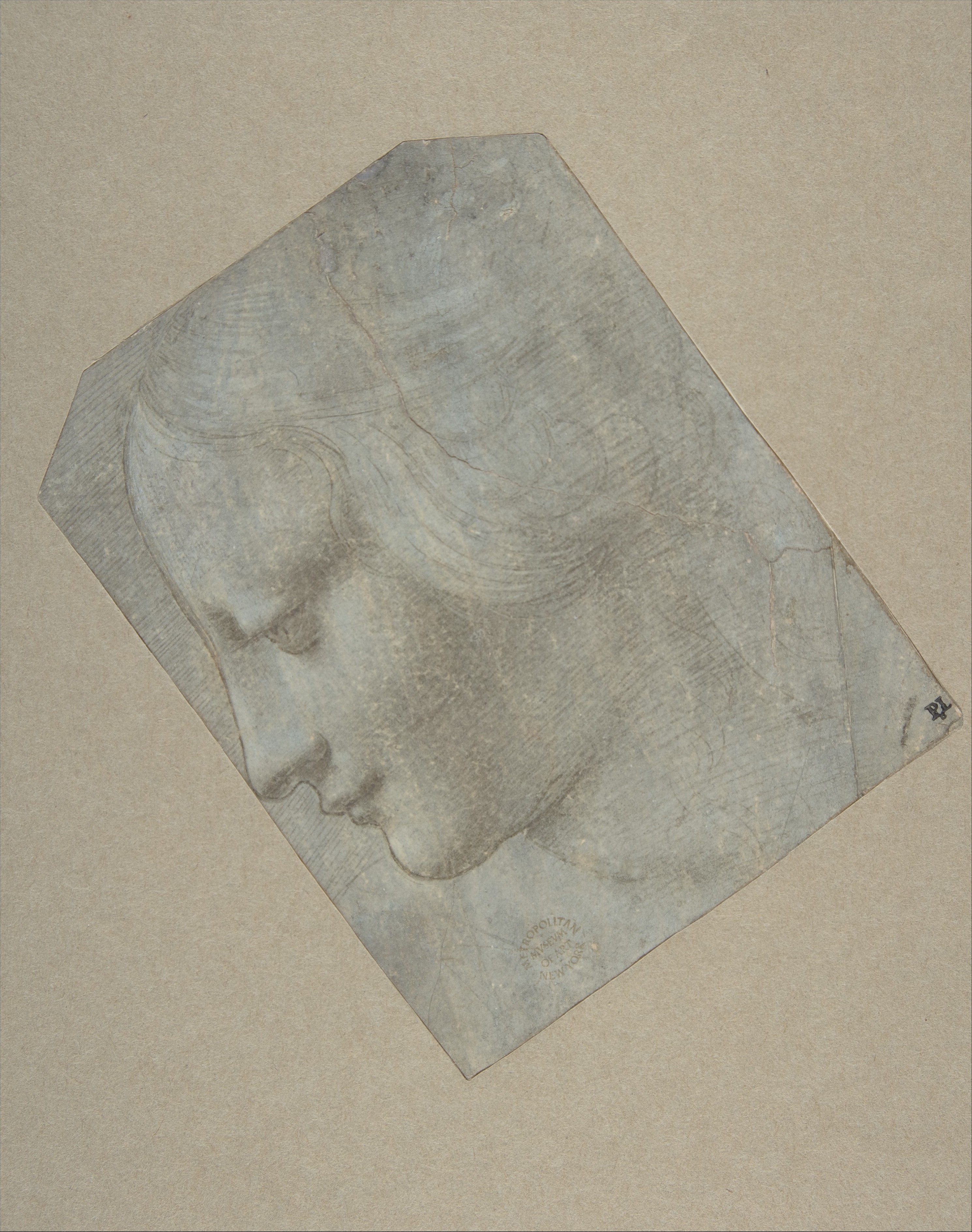
The Head of a Woman in Profile Facing Left
Leonardo da Vinci|Giovanni Antonio Boltraffio

A Bear Walking
Leonardo da Vinci
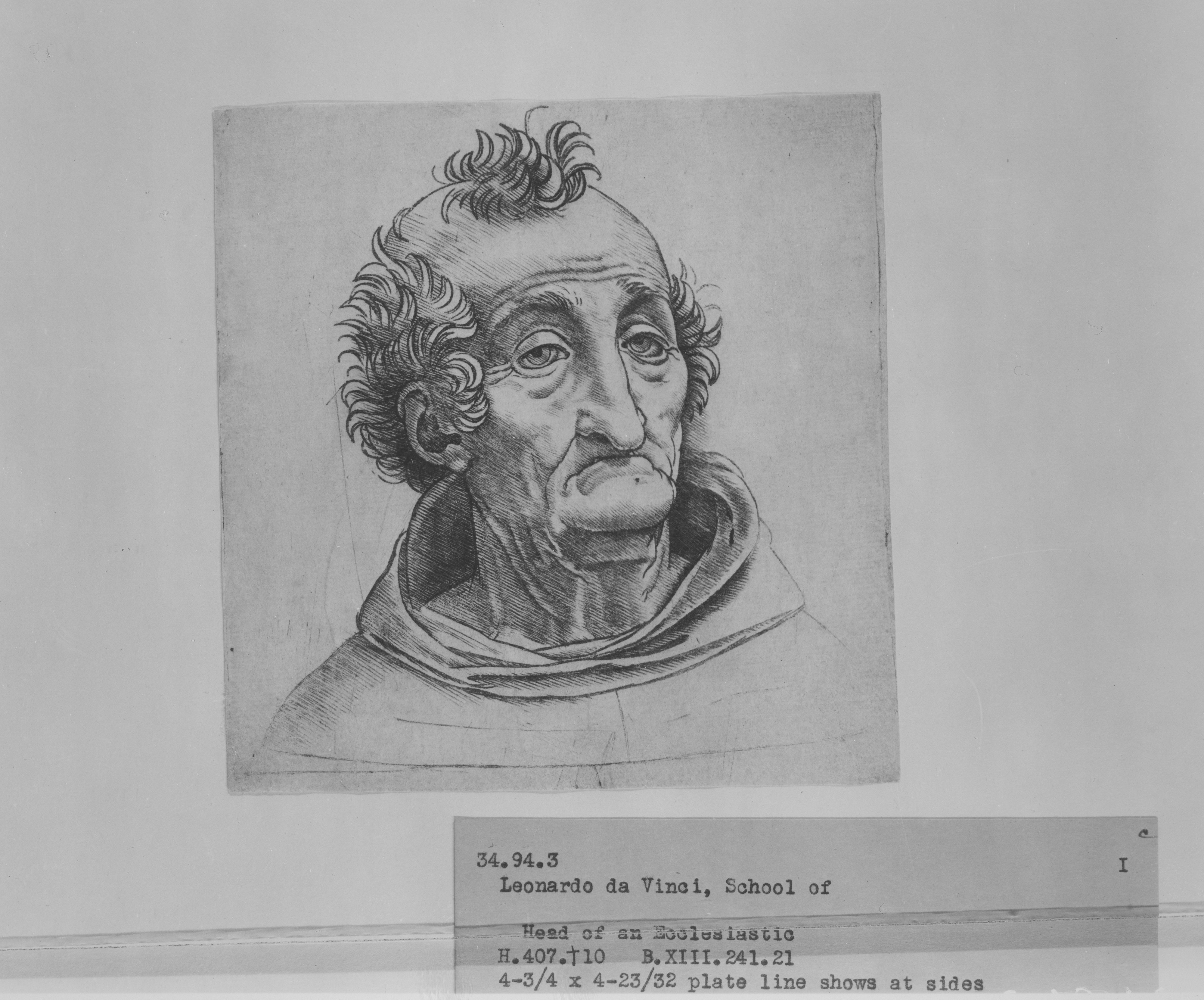
Head of an old man
Giovanni Antonio da Brescia|Leonardo da Vinci|Andrea Mantegna

The Last Supper, with a Spaniel
Leonardo da Vinci|Giovanni Pietro da Birago
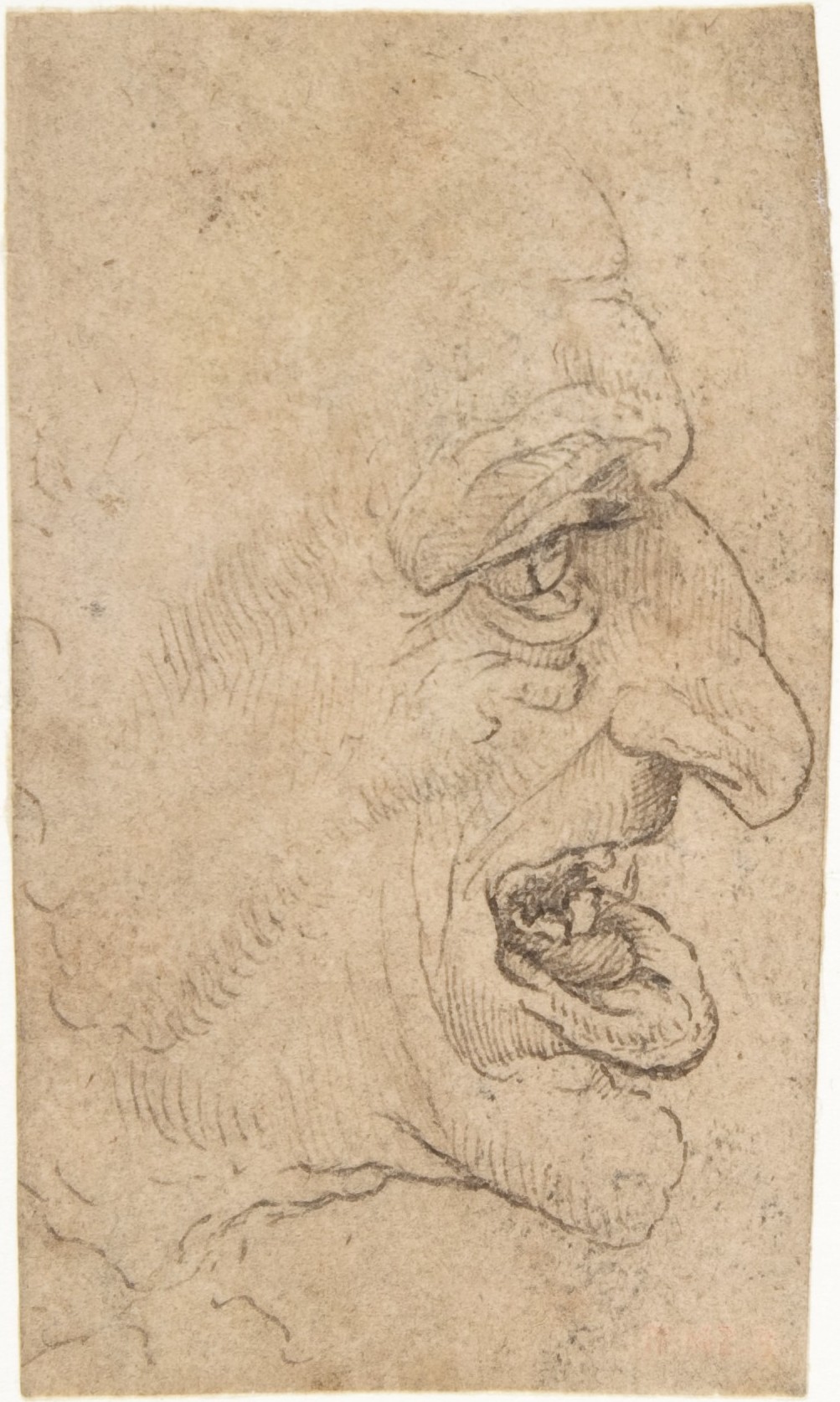
The Head of a Grotesque Man in Profile Facing Right
Leonardo da Vinci
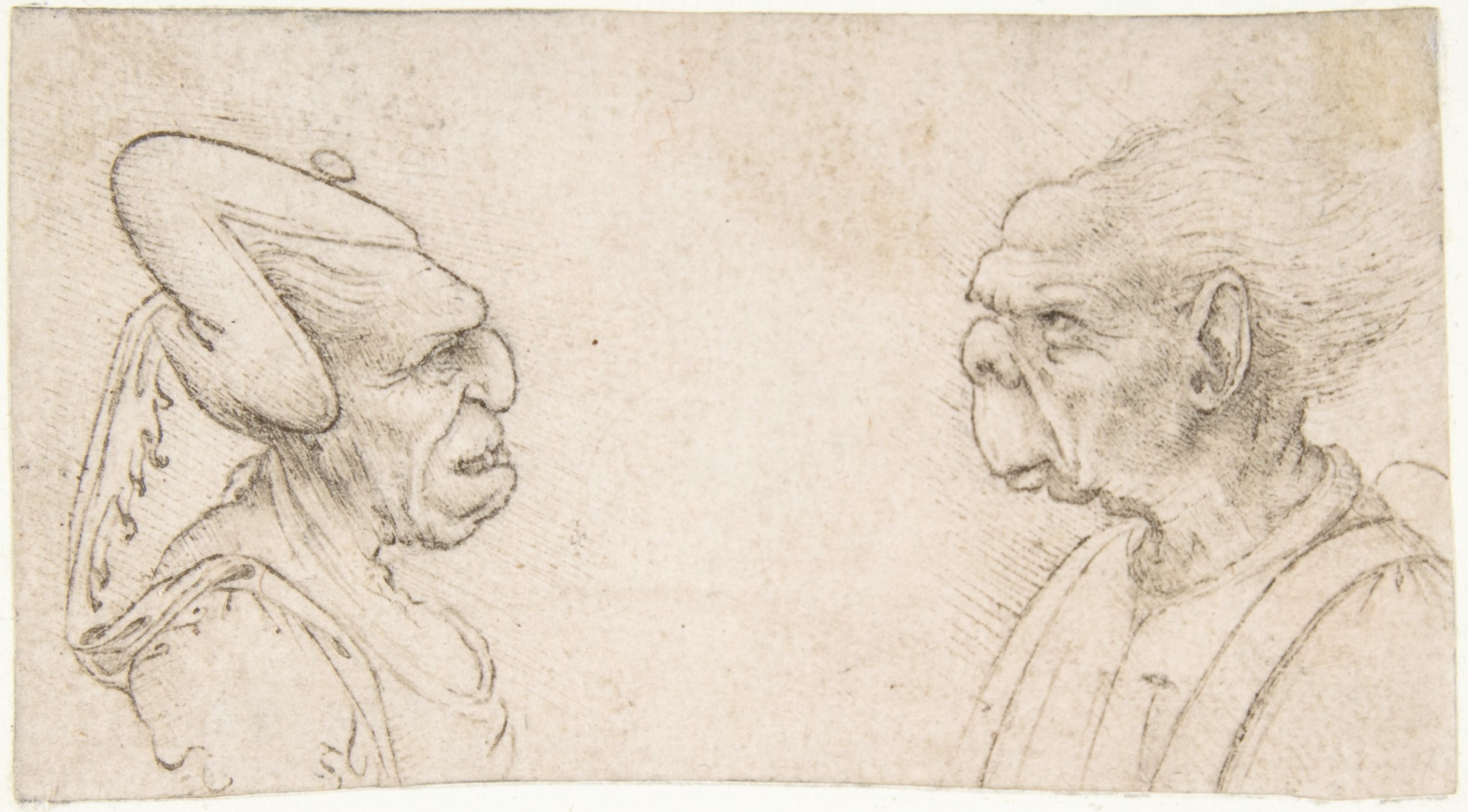
A Grotesque Couple: Old Woman with an Elaborate Headdress and Old Man with Large Ears and Lacking a Chin
Giovanni Francesco Melzi|Leonardo da Vinci
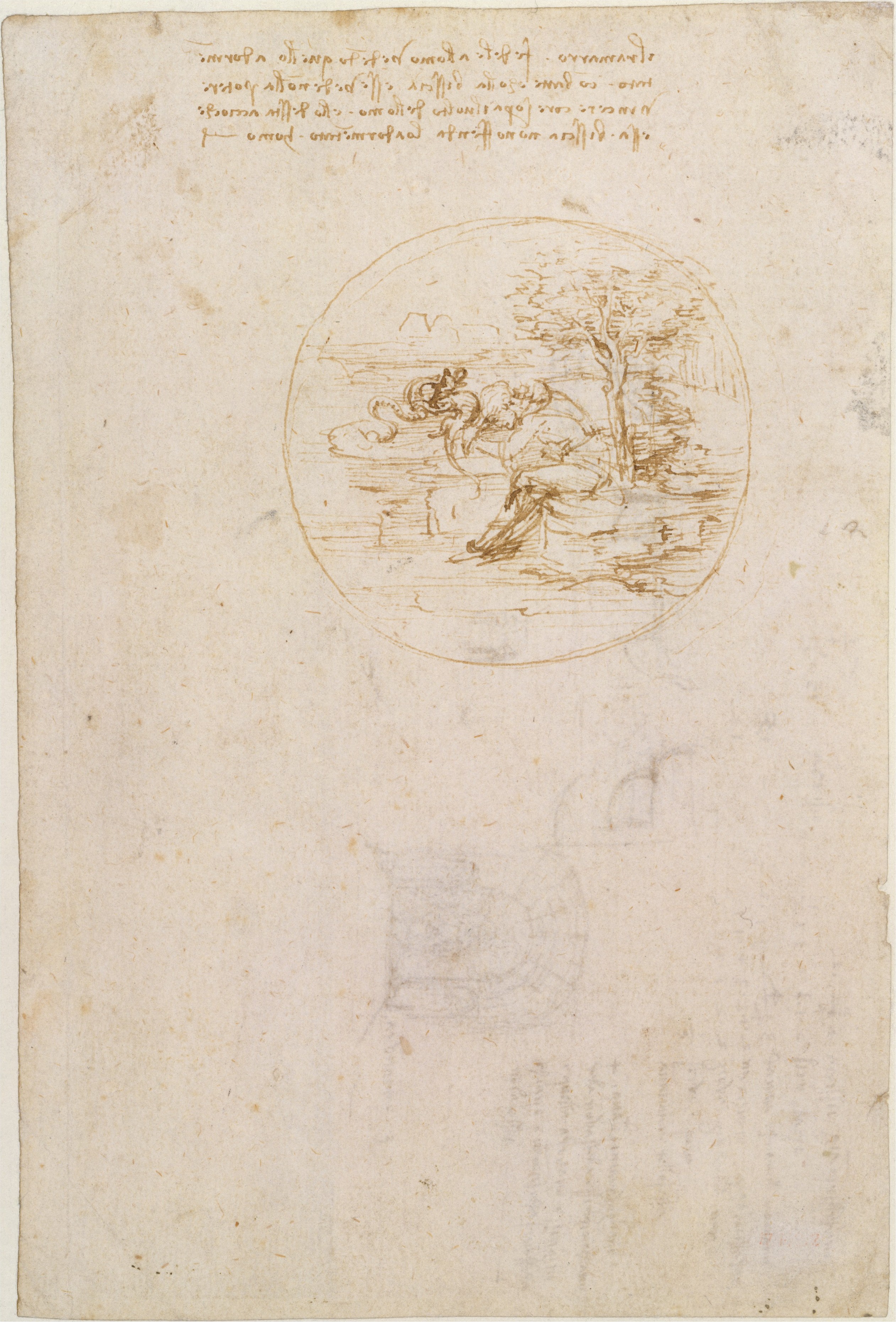
Allegory on the Fidelity of the Lizard (recto); Design for a Stage Setting (verso)
Leonardo da Vinci
More from the Late Medieval


Explore what happened on the days that shaped Leonardo da Vinci's life. Today In History connects historical figures with the events, births, and deaths that defined their era. Browse all historical figures or explore today's events.