

Historical Figure
Thomas Becket
1118–1170
Archbishop of Canterbury from 1162 to 1170
Talk to Thomas Becket
Have a conversation with this historical figure through AI
Biography
Thomas Becket, also known as Saint Thomas of Canterbury, Thomas of London and later Thomas à Becket, was an English cleric and statesman who served as Lord Chancellor from 1155 to 1162, and then as Archbishop of Canterbury from 1162 until his death in 1170. He is known for his conflict with King Henry II over the rights and privileges of the Church and was murdered by followers of the king in Canterbury Cathedral. He was canonised by Pope Alexander III two years after his death. He is venerated as a saint and martyr by the Catholic Church and the Anglican Communion.
In Their Own Words (1)
Timeline
The story of Thomas Becket, told in moments.
Appointed Lord Chancellor of England by King Henry II. They're close friends. Becket is lavish, worldly, and politically shrewd. He hunts with the king, leads troops into battle in France, and lives in a style that rivals the court.
Henry makes him Archbishop of Canterbury, expecting a compliant ally. Instead Becket transforms overnight. He wears a hair shirt under his vestments, washes beggars' feet, and opposes the king on every question of Church privilege. Henry is furious.
Flees England after Henry issues the Constitutions of Clarendon, asserting royal authority over the Church courts. Becket refuses to sign. He lives in exile in France for six years. The pope supports him but cautiously.
Returns to Canterbury after a fragile reconciliation. He immediately excommunicates three bishops loyal to Henry. When the king hears this in Normandy, he reportedly says: "Will no one rid me of this turbulent priest?"
Four knights ride from Normandy to Canterbury Cathedral and demand Becket absolve the bishops. He refuses. They strike him with swords in the northeast transept. One blow slices off the top of his skull. A monk later reports that Becket's last words are: "For the name of Jesus and the protection of the Church, I am ready to embrace death."
Pope Alexander III canonizes Becket as a saint, just three years after his murder. Henry does public penance, walking barefoot to Canterbury and submitting to a flogging by monks. Becket's shrine becomes the most visited pilgrimage site in England for 370 years, until Henry VIII destroys it.
Artifacts (6)
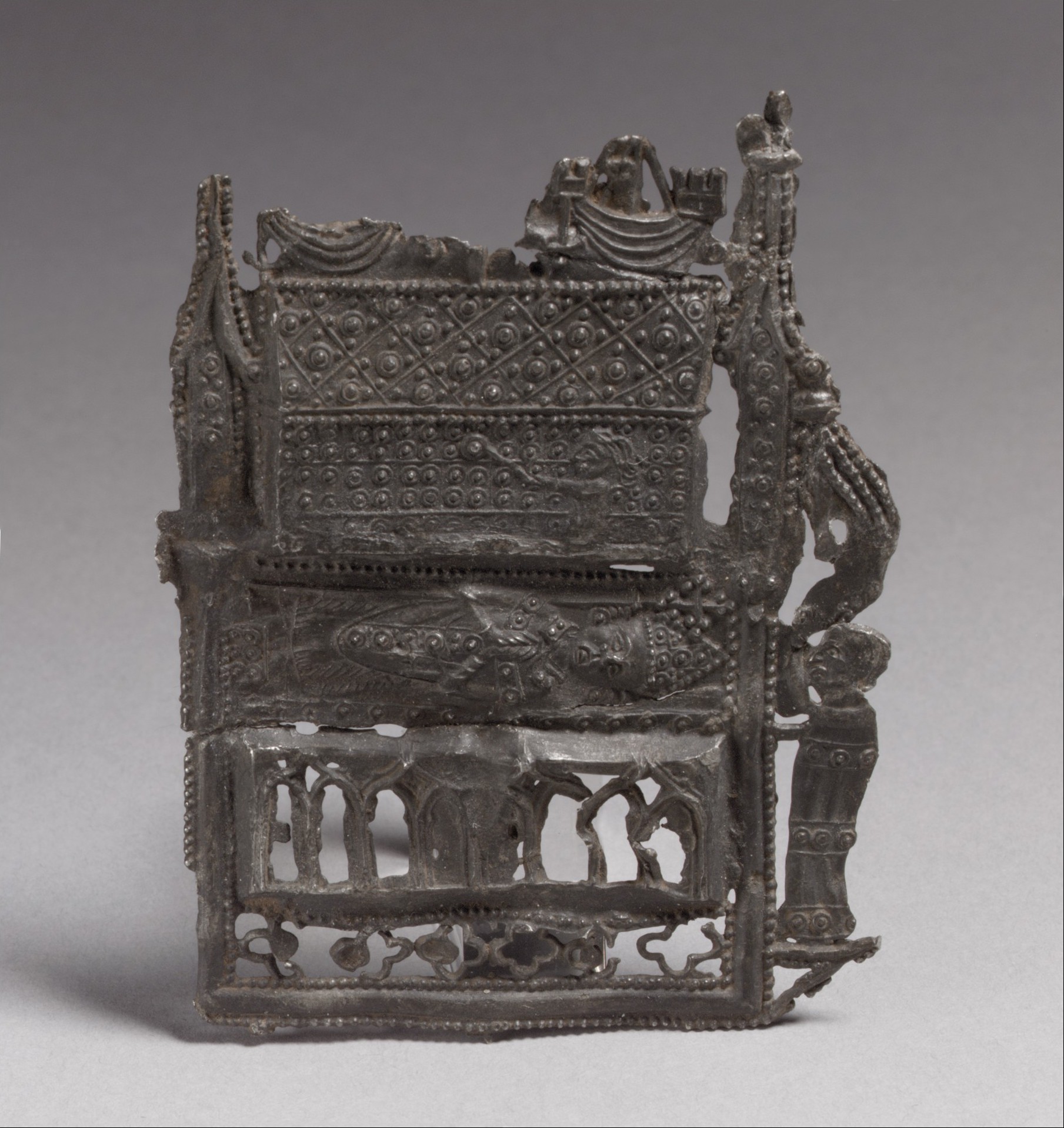
Pilgrim's Badge of the Shrine of St. Thomas Becket at Canterbury
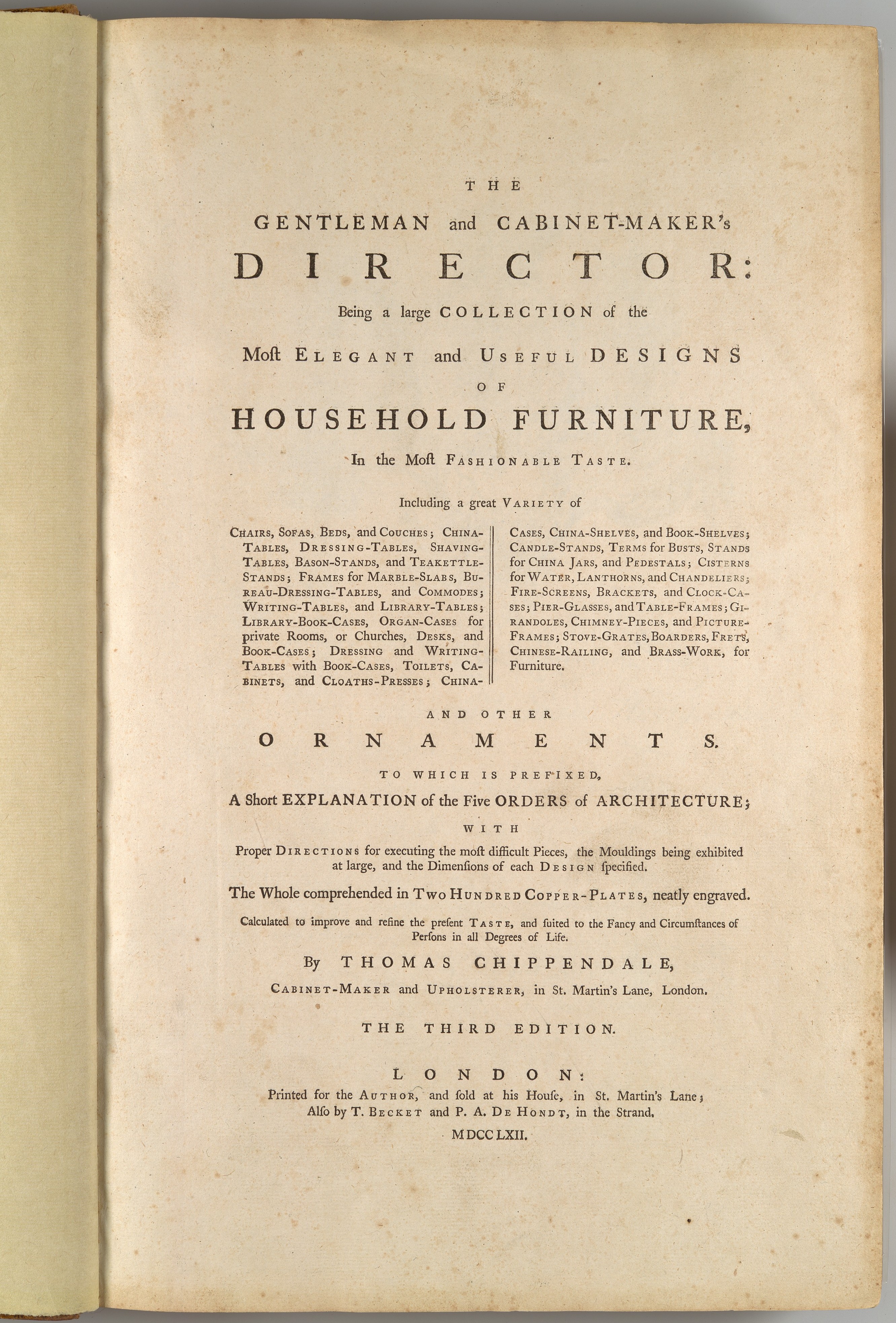
The Gentleman and Cabinet-Maker's Director
Matthew Darly|Tobias Müller|Johann Sebastian Müller|Cornelius Heinrich Hemmerich|Butler Clowes|Edward Rooker|Isaac Taylor I|William Foster|Thomas Morris|James Hullett|Thomas Becket|P. A. de Hondt|Thomas Chippendale
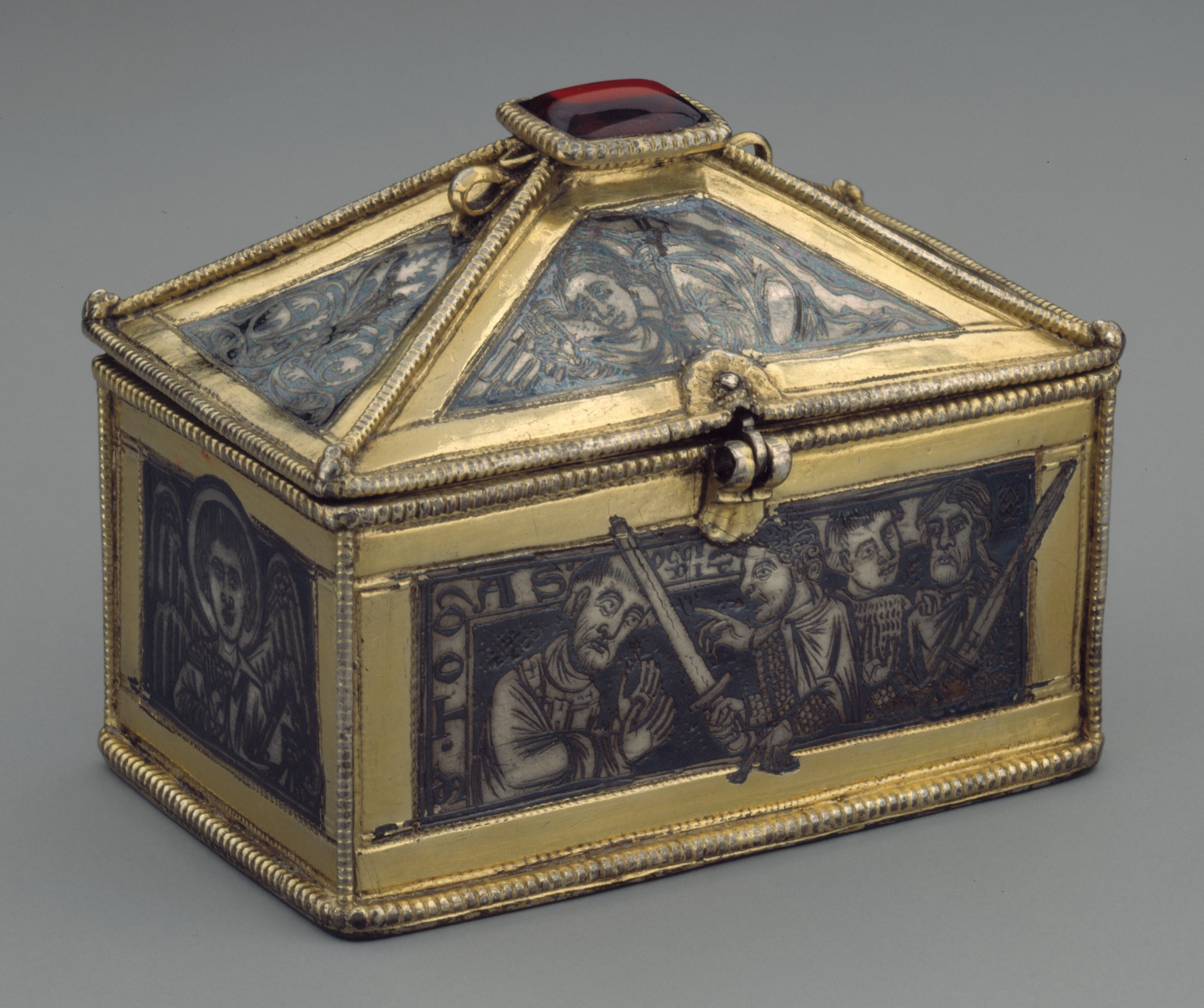
Reliquary Casket with Scenes from the Martyrdom of Saint Thomas Becket
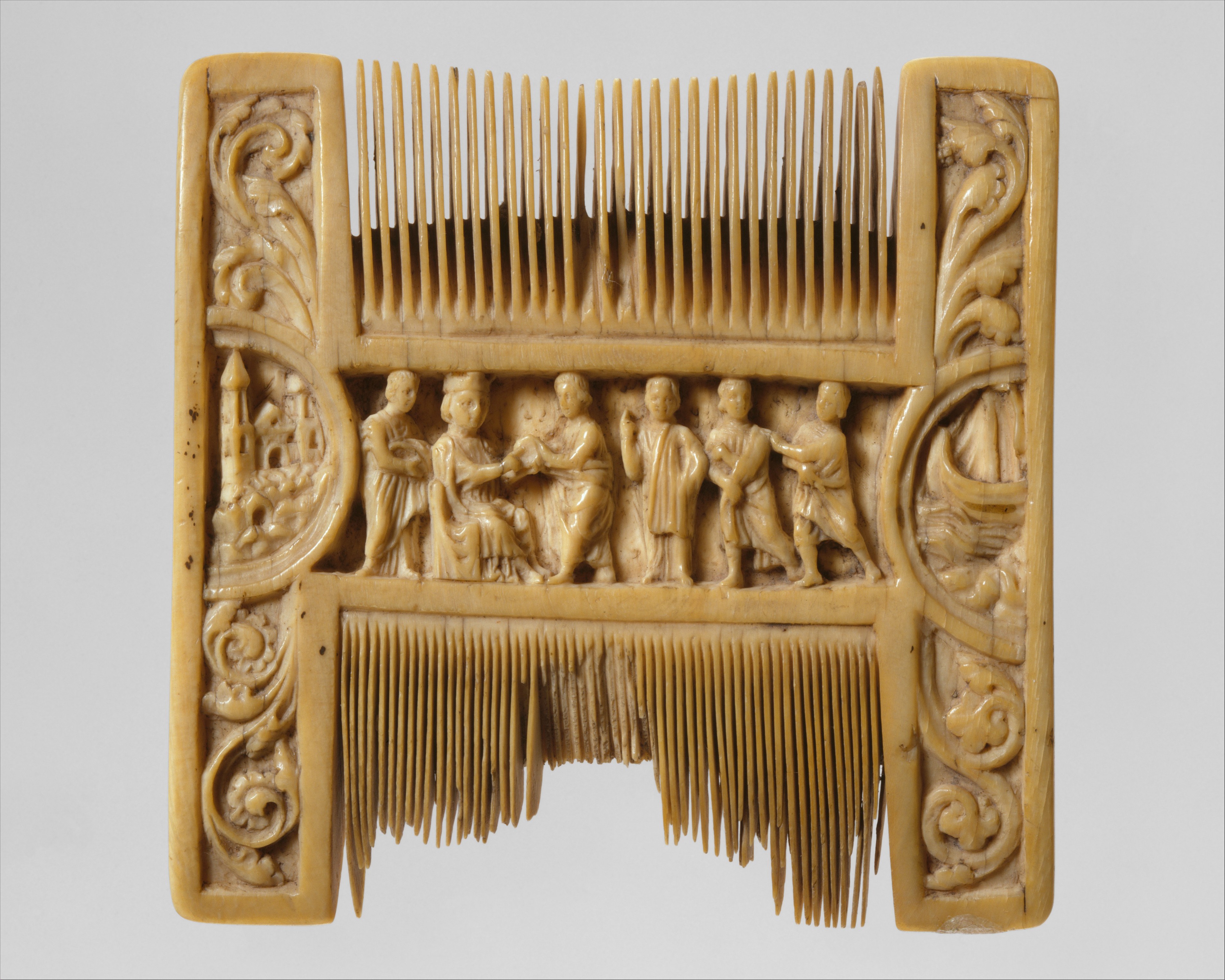
Double-Sided Ivory Liturgical Comb with Scenes of Henry II and Thomas Becket
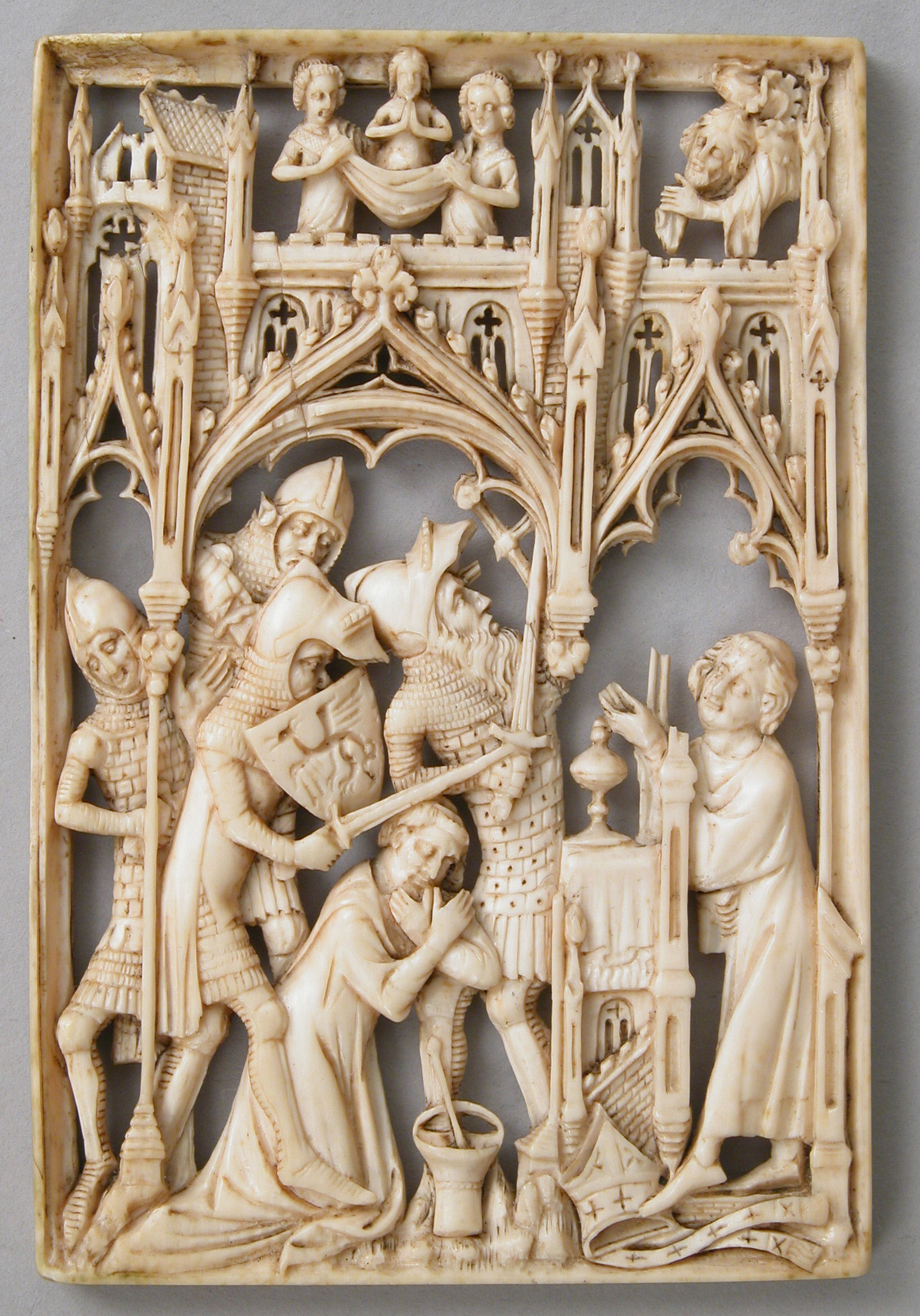
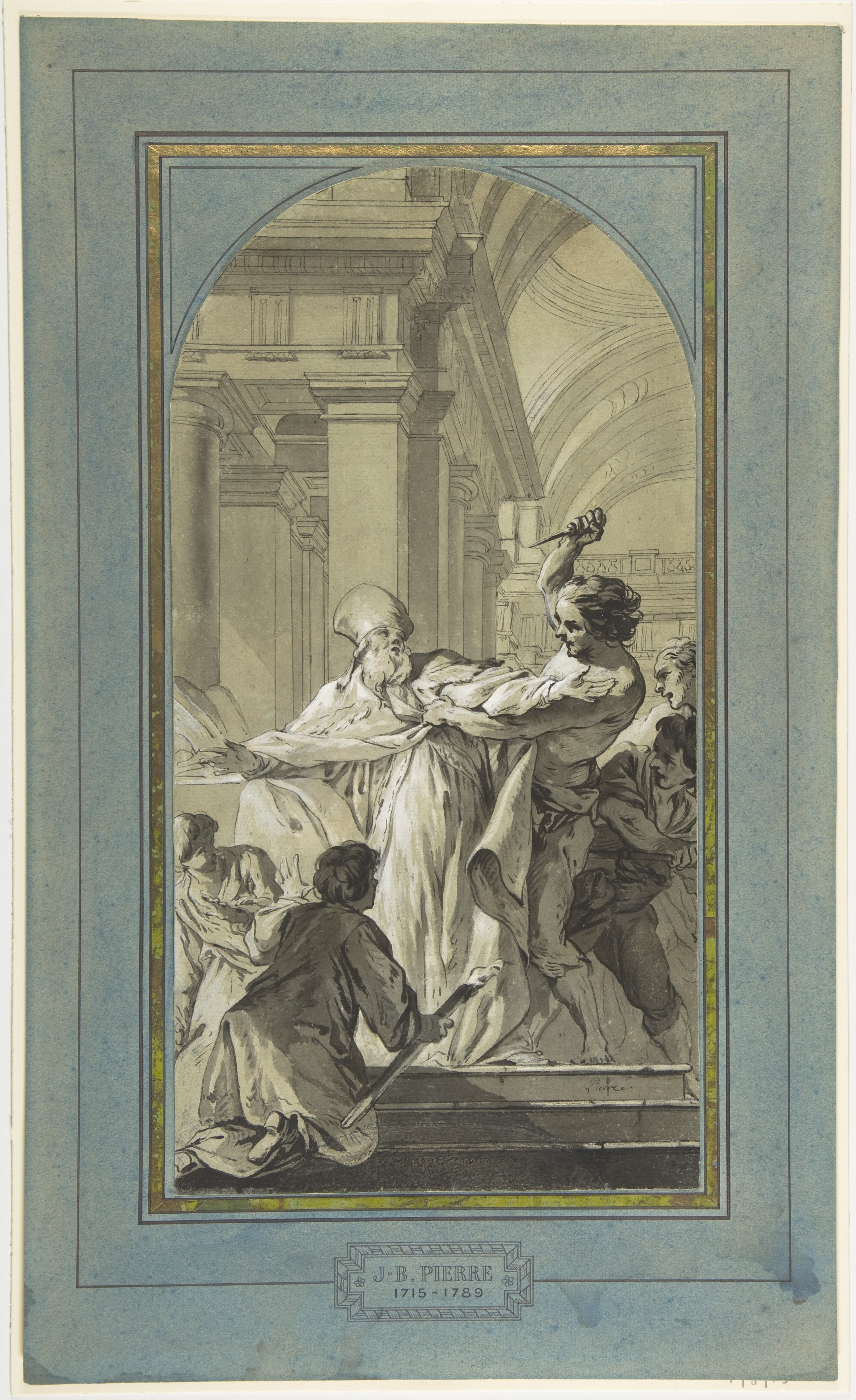
The Martyrdom of St. Thomas Becket, Archbishop of Canterbury
Jean-Baptiste Marie Pierre
More from the Medieval


Explore what happened on the days that shaped Thomas Becket's life. Today In History connects historical figures with the events, births, and deaths that defined their era. Browse all historical figures or explore today's events.