

Historical Figure
Benjamin Franklin
1706–1790
American Founding Father and polymath (1706–1790)
Talk to Benjamin Franklin
Have a conversation with this historical figure through AI
Biography
Benjamin Franklin was an American polymath: a writer, scientist, inventor, statesman, diplomat, printer, publisher and political philosopher. Among the most influential intellectuals of his time, Franklin was one of the Founding Fathers of the United States; a drafter and signer of the Declaration of Independence; and the first postmaster general.
In Their Own Words (5)
A lady asked Franklin: "Well, Doctor, what have we got—a Republic or a Monarchy?". Franklin replied: "A Republic, if you can keep it."
From a note of uncertain date by Dr. James McHenry. In a footnote he added that "The lady here aluded to was Mrs. Powel of Philada." Published in The American Historical Review, v. 11, p. 618. At the close of the Constitutional Convention of 1787 , 1787
Every Body cries, a Union is absolutely necessary, but when they come to the Manner and Form of the Union, their weak Noddles are perfectly distracted.
Letter to Peter Collinson (29 December 1754); published in The Writings of Benjamin Franklin (1905), edited by Albert Henry Smyth, Vol. III, p. 242; also misquoted using "Noodles" for "Noddles". , 1905
It would be thought a hard Government that should tax its People one-tenth Part of their Time, to be employed in its Service.
Poor Richard's Almanack (1758), “The Way to Wealth” , 1733
Let all Men know thee, but no man know thee thoroughly: Men freely ford that see the shallows.
Poor Richard's Almanack (1743) , 1733
Human Felicity is produc'd not so much by great Pieces of good Fortune that seldom happen, as by little Advantages that occur every Day.
Part III, p. 108 , 1818
Timeline
The story of Benjamin Franklin, told in moments.
Arrives in Philadelphia at 17, having run away from his brother's print shop in Boston. He walks up Market Street carrying three puffy rolls, one under each arm and one in his mouth. His future wife Deborah Read watches him pass and thinks he looks ridiculous.
Publishes the first edition of Poor Richard's Almanack under the pen name Richard Saunders. "Early to bed and early to rise, makes a man healthy, wealthy, and wise." It sells 10,000 copies a year for 25 years. He retires wealthy at 42.
Founds the American Philosophical Society in Philadelphia. Its members include doctors, merchants, botanists, and tradesmen. No clergy. No aristocrats. He wants useful knowledge, not theological debate. The society still exists.
Flies a kite in a thunderstorm, drawing an electrical charge into a Leyden jar and proving that lightning is electricity. He'd already invented the lightning rod, coined the terms "battery," "conductor," and "electrician," and been elected to the Royal Society. He is 46 and the most famous scientist in America.
Sails to London as Pennsylvania's agent and stays for most of the next 18 years. He loves England. He considers staying permanently. He tries to get his son William a position in the British government. He will spend the last decades of his life fighting the country he once wanted to call home.
Appointed to the Committee of Five to draft the Declaration of Independence. Thomas Jefferson writes the draft. Franklin makes edits. He changes Jefferson's "We hold these truths to be sacred and undeniable" to "We hold these truths to be self-evident." He is 70.
Signs the Treaty of Alliance with France in Paris. He has spent two years charming the French court, wearing a fur cap instead of a wig and playing the role of the rustic American philosopher. The French love him. Their military and financial support will prove decisive in winning the war. He is the most effective diplomat in American history.
At 81, the oldest delegate at the Constitutional Convention, he makes his final speech. He confesses doubts about parts of the Constitution but urges every delegate to sign: "I doubt too whether any other Convention we can obtain, may be able to make a better Constitution." He is the only person to sign the Declaration of Independence, the Treaty of Alliance with France, the Treaty of Paris, and the Constitution.
Dies in Philadelphia at 84. Twenty thousand people attend his funeral, the largest gathering in American history to that point. He left instructions for his tombstone to read simply: "Benjamin Franklin, Printer." Congress voted to wear mourning for two months. The French National Assembly wore mourning for three days. Nobody else gets mourned by two countries.
Artifacts (15)
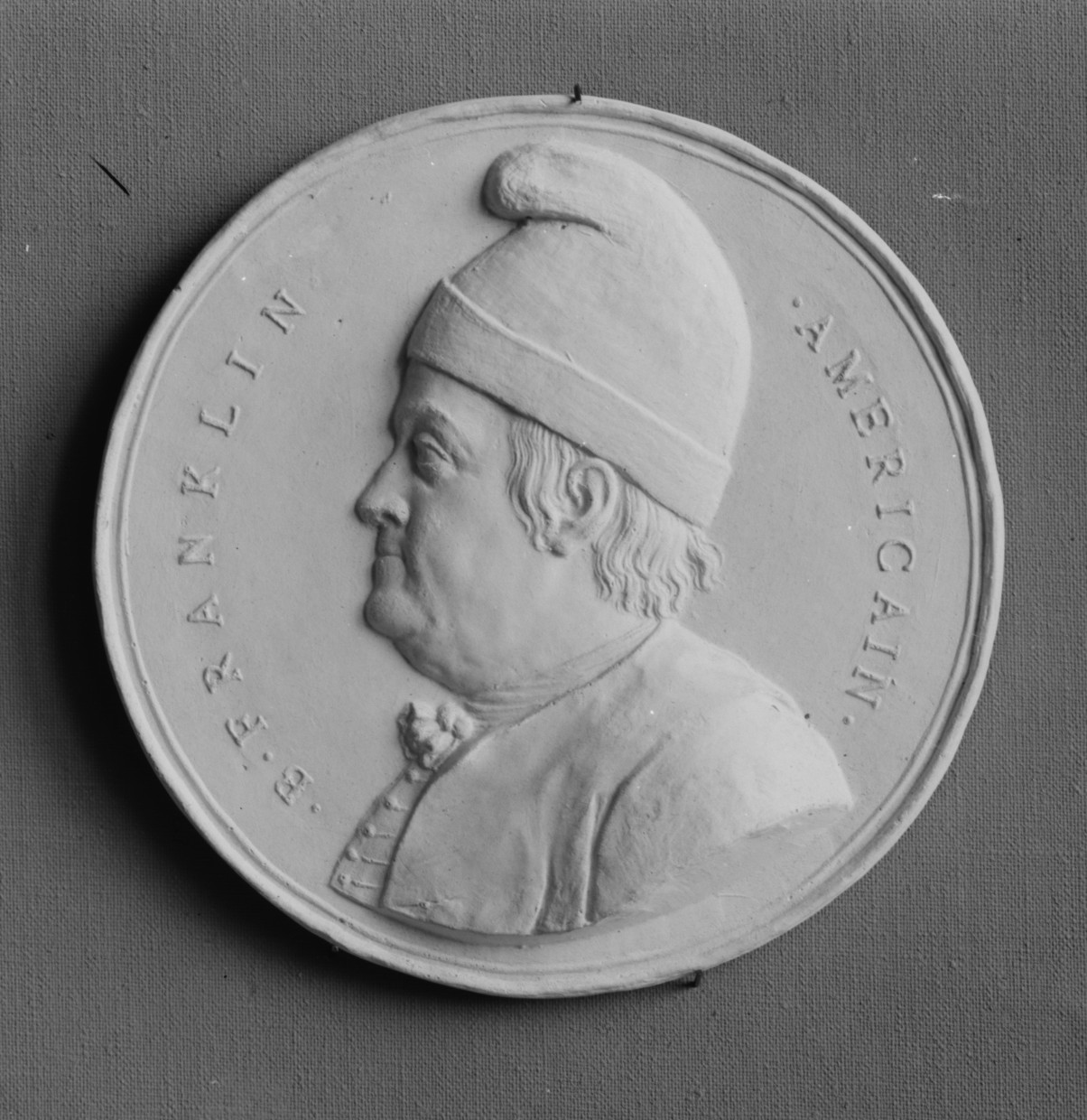
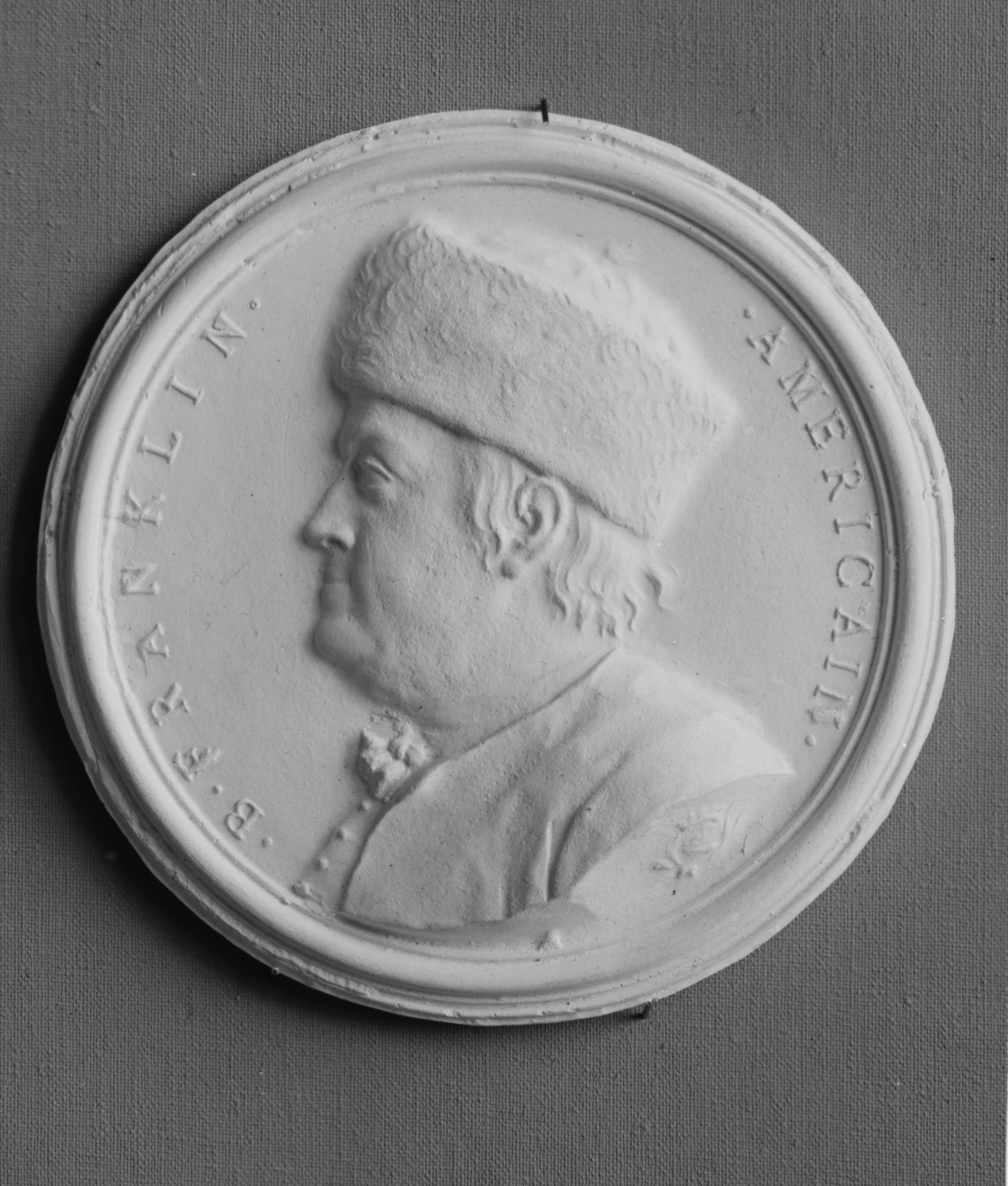
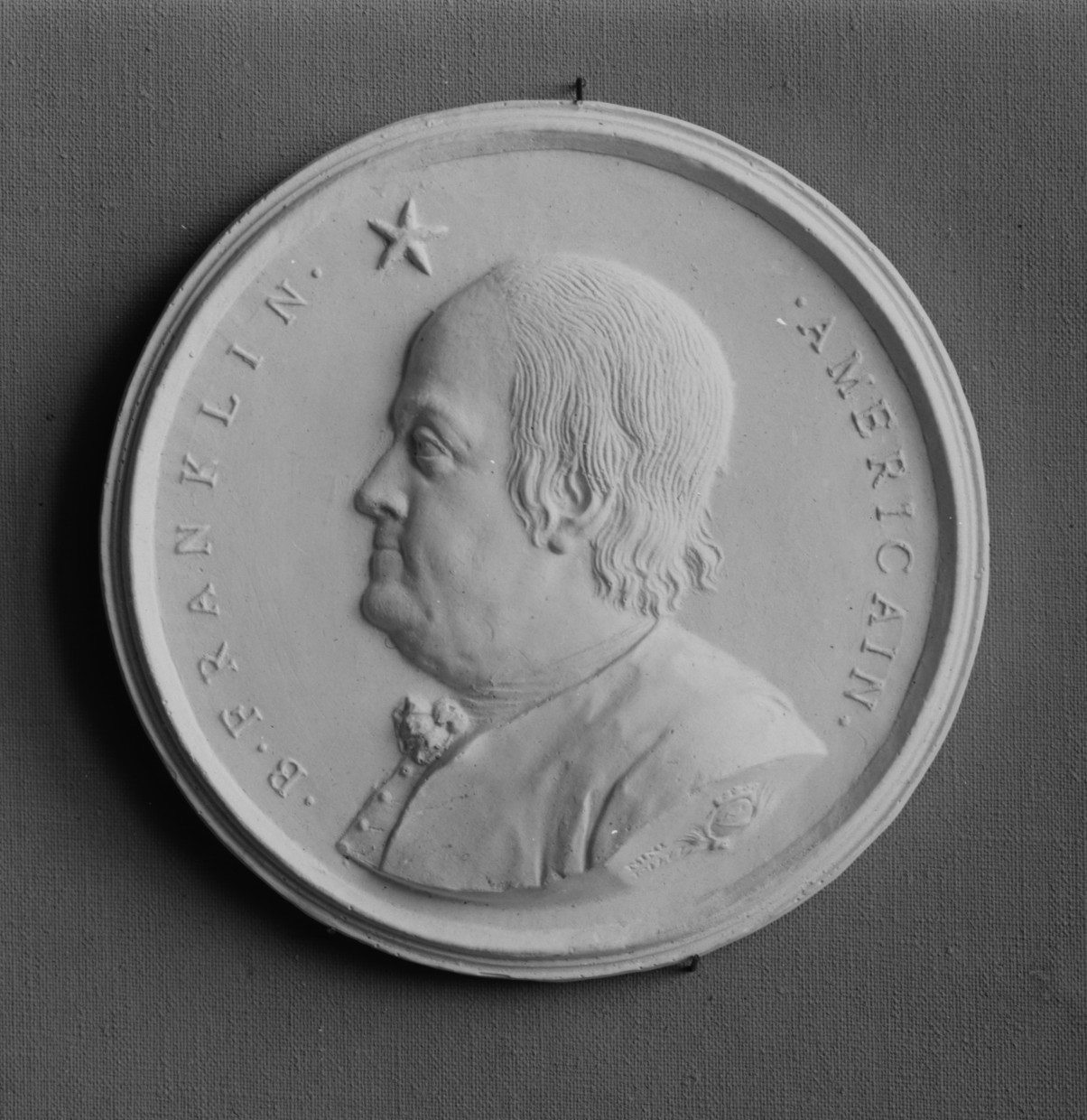

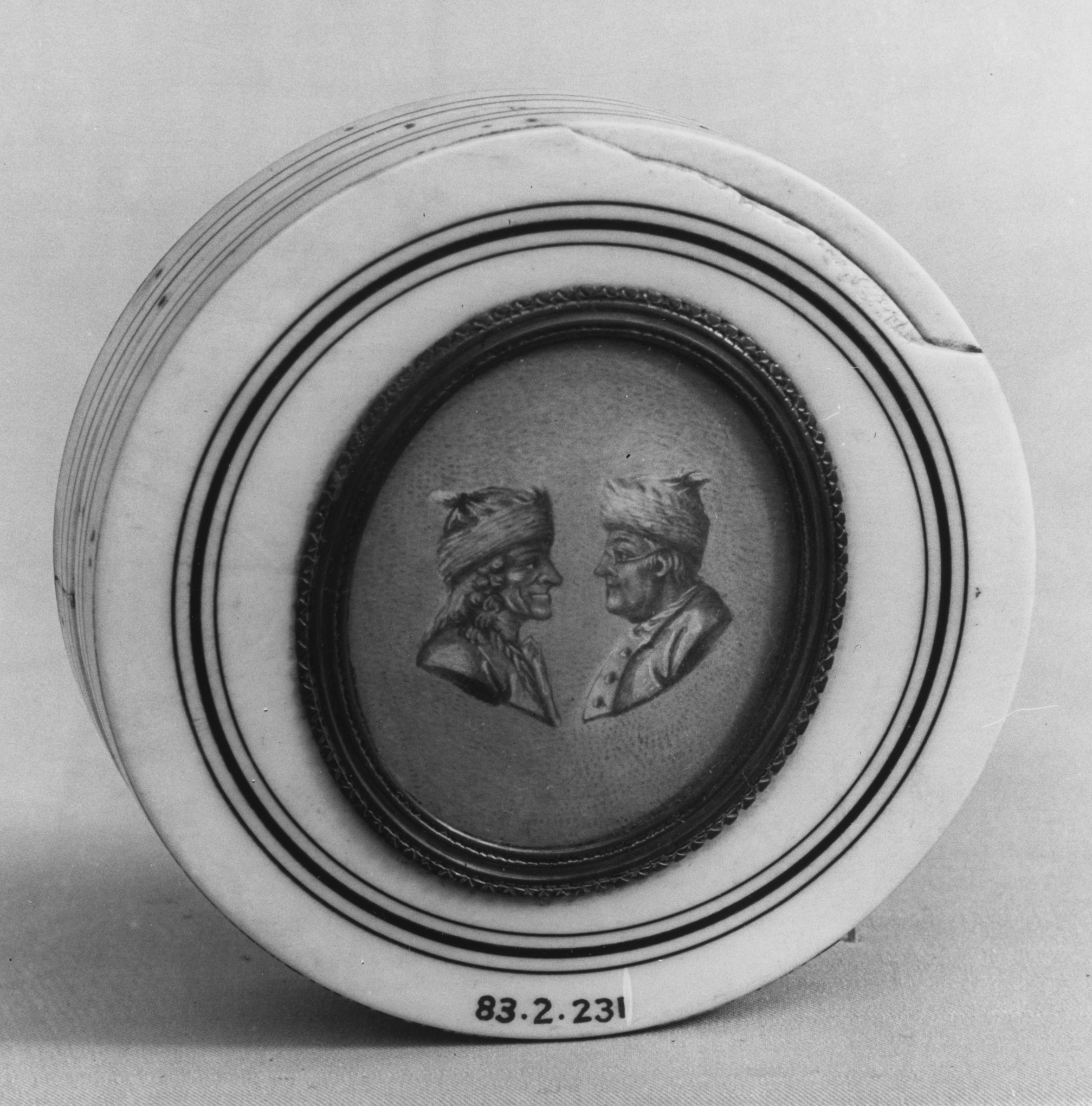

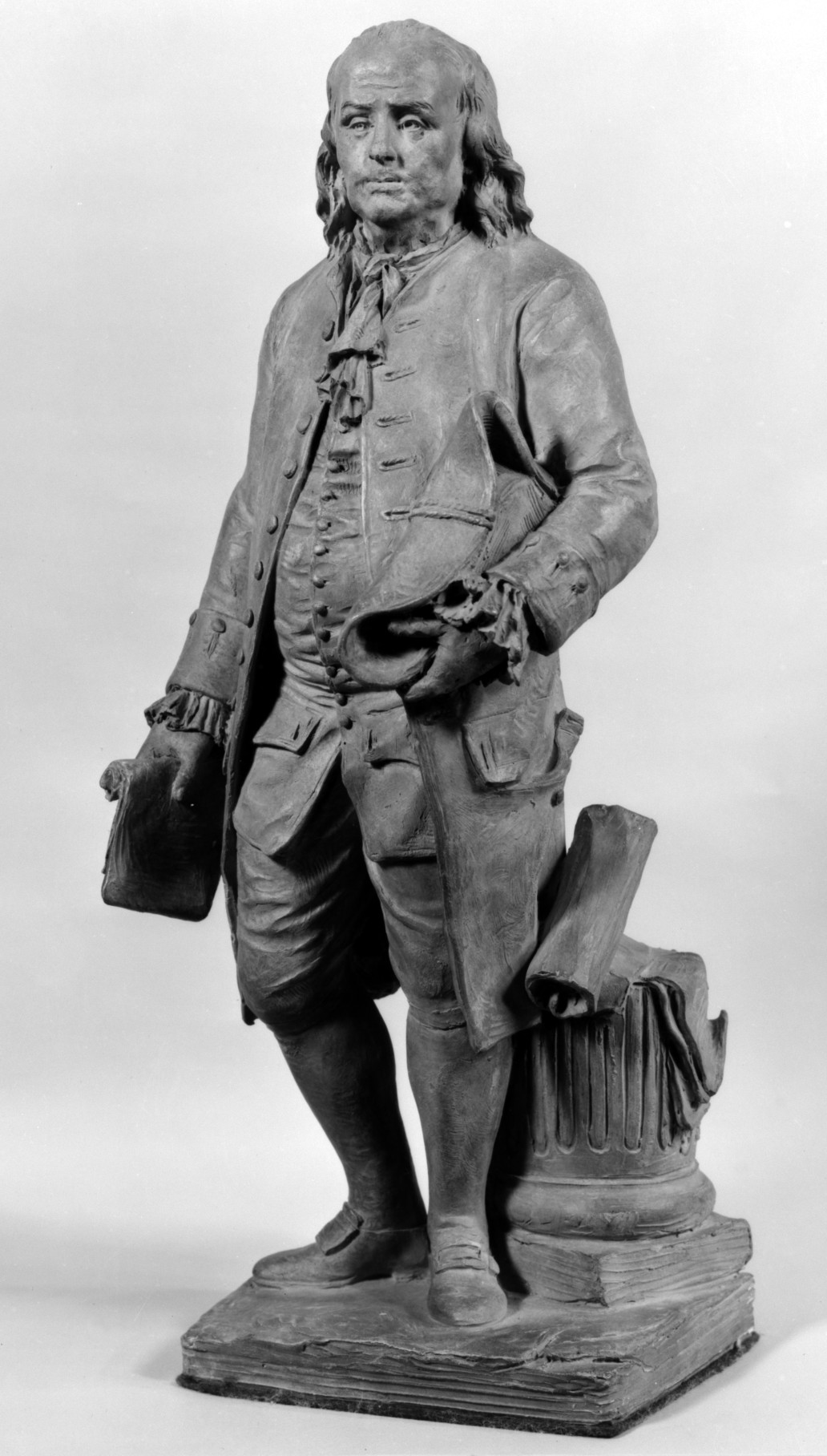
Portrait of Benjamin Franklin
Louis de Carmontelle|François Denis Née|Benjamin Franklin
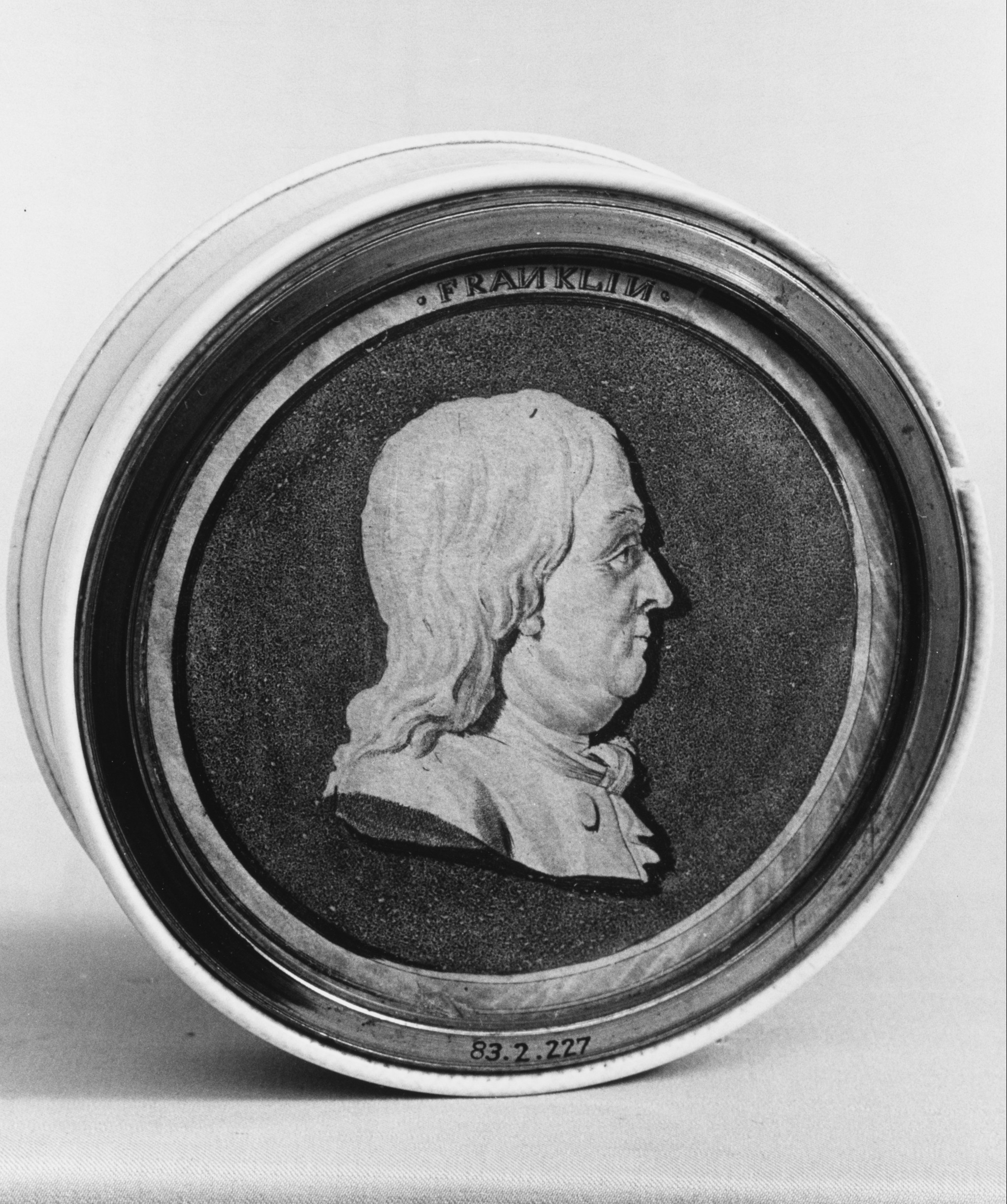


More from the Enlightenment


Explore what happened on the days that shaped Benjamin Franklin's life. Today In History connects historical figures with the events, births, and deaths that defined their era. Browse all historical figures or explore today's events.