

Historical Figure
Michelangelo
d. 1564
Italian artist and architect (1475–1564)
Talk to Michelangelo
Have a conversation with this historical figure through AI
Biography
Michelangelo di Lodovico Buonarroti Simoni, known mononymously as Michelangelo, was an Italian sculptor, painter, architect, and poet of the High Renaissance. He was born in the Republic of Florence but was mostly active in Rome from his 30s onwards. His work was inspired by models from classical antiquity and had a lasting influence on Western art. Michelangelo's creative abilities and mastery in a range of artistic arenas define him as an archetypal Renaissance man, along with his rival and elder contemporary, Leonardo da Vinci. Given the sheer volume of surviving correspondence, sketches, and reminiscences, Michelangelo is one of the best-documented artists of the 16th century. He was lauded by contemporary biographers as the most accomplished artist of his era.
In Their Own Words (5)
As when, O lady mine,With chiseled touchThe stone unhewn and coldBecomes a living mold,The more the marble wastes,The more the statue grows.
Sonnet addressed to Vittoria Colonna; tr. Mrs. Henry Roscoe (Maria Fletcher Roscoe), Vittoria Colonna: Her Life and Poems (1868), p. 169. , 1868
Beauty is the purgation of superfluities.
Letter to Rene Lui Descartes XIV (6 March 1540) , 1540
I was never the kind of painter or sculptor who kept a shop.
As quoted in In Our Time : The Artist, BBC Radio 4 (28 March 2002). , 2002
Your lordship, only worldly light in this age of ours, you can never be pleased with another man's work for there is no man who resembles you, nor one to equal you … It grieves me greatly that I cannot recapture my past, so as to longer be at your service. As it is, I can only offer you my future, which is short, for I am too old … That is all I have to say. Read my heart for "the quill cannot express good will."
Letter to Tommaso dei Cavalieri (1 January 1533). , 1533
(from sonnet "Veggio nel tuo bel viso, Signor mio")
Translation: That fount of mercy, whence we all exist, Every beauty seen here [on earth] resembles, More than anything else to knowing persons;
Timeline
The story of Michelangelo, told in moments.
Apprenticed to Domenico Ghirlandaio in Florence. Lorenzo de' Medici notices his talent and invites him to study in the Medici sculpture garden. He is 14. Another student, jealous, punches him and breaks his nose. It stays crooked for the rest of his life.
Commissioned to carve the Pieta for St. Peter's Basilica. He is 23. When it's finished, visitors attribute it to another sculptor. Furious, Michelangelo sneaks in at night and carves his name across the Virgin's sash. It's the only work he ever signed.
Begins work on David. The marble block is 17 feet tall and has been abandoned by two previous sculptors who couldn't handle its shallow depth. Michelangelo works on it for over two years, often sleeping at its base in his clothes.
A committee including Leonardo da Vinci and Sandro Botticelli debates where to place the David. The original plan was a cathedral buttress. They choose the Piazza della Signoria instead. The move takes four days. Forty men haul the 12,000-pound statue through Florence at night.
Pope Julius II commissions a monumental tomb for himself. Michelangelo spends months in the quarries at Carrara selecting marble. The project drags on for 40 years through five reduced contracts. The final version is a fraction of the original design. Michelangelo calls it 'the tragedy of the tomb.'
Pope Julius II orders him to paint the ceiling of the Sistine Chapel. Michelangelo protests. He's a sculptor, not a painter. He writes a poem about the misery of the work: paint dripping in his face, his spine bent like a bow, his beard pointing at the sky. It takes four years. He paints over 300 figures, mostly alone, standing on scaffolding he designed himself.
The Sistine Chapel ceiling is unveiled to the public. More than 5,000 square feet of frescoes. The Creation of Adam, with God's finger nearly touching Adam's, becomes one of the most reproduced images in human history.
Returns to the Sistine Chapel at 61 to paint The Last Judgment on the altar wall. He includes a self-portrait: his own face on the flayed skin held by Saint Bartholomew. Critics demand the nude figures be covered. The drapery is added after his death.
Appointed architect of St. Peter's Basilica at 71. He designs the massive dome that will define the Roman skyline. He refuses any salary. He works on it for the last 17 years of his life, knowing he won't live to see it finished.
Dies in Rome at 88. Three days later, Galileo is born in Pisa. His body is smuggled out of Rome by his nephew and brought to Florence, where it receives a state funeral at the Basilica of Santa Croce. Vasari opens the coffin weeks later and reports the body is perfectly preserved.
Artifacts (13)
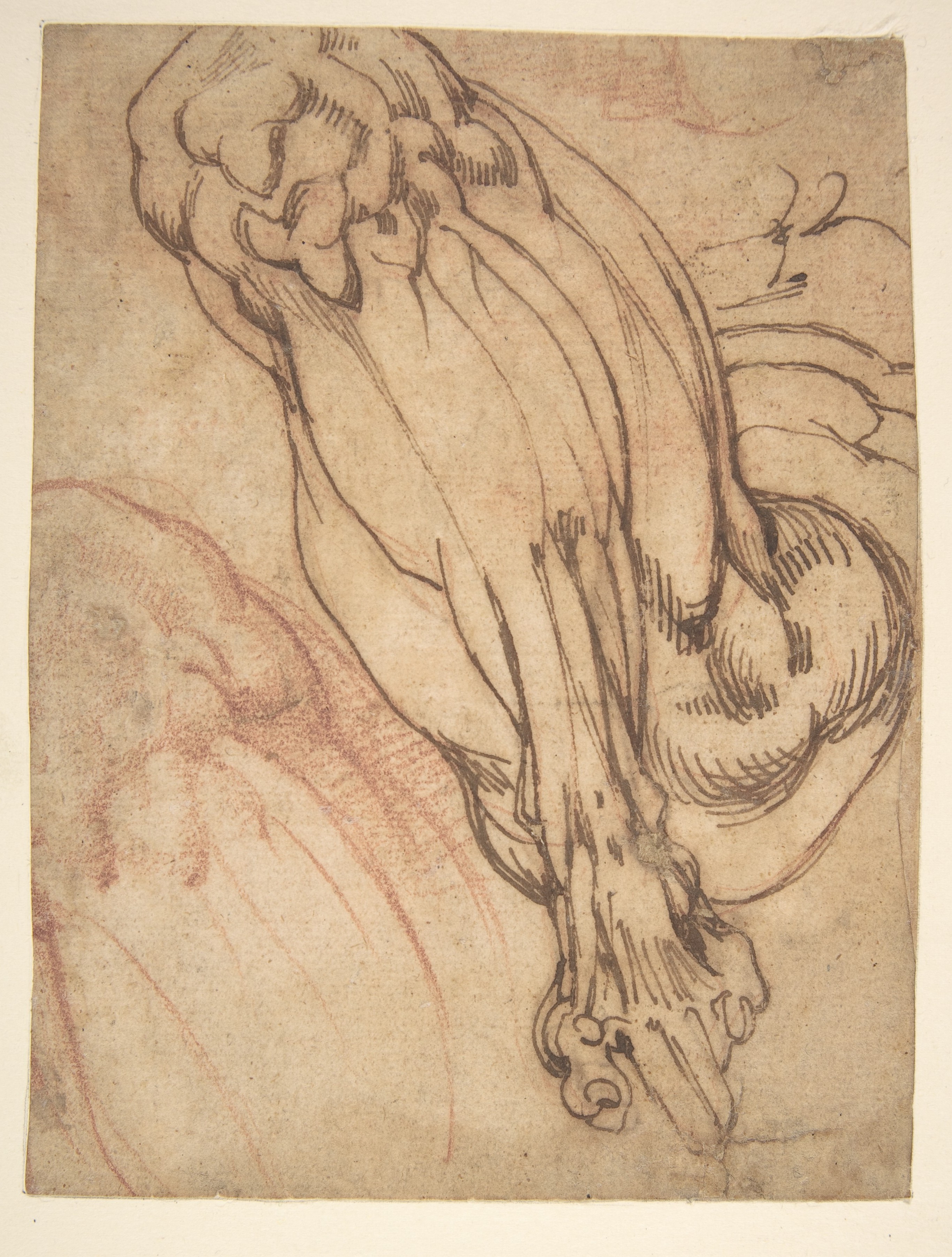
Anatomical Studies of a Leg (recto); Study of a Leg (verso)
Michelangelo Buonarroti
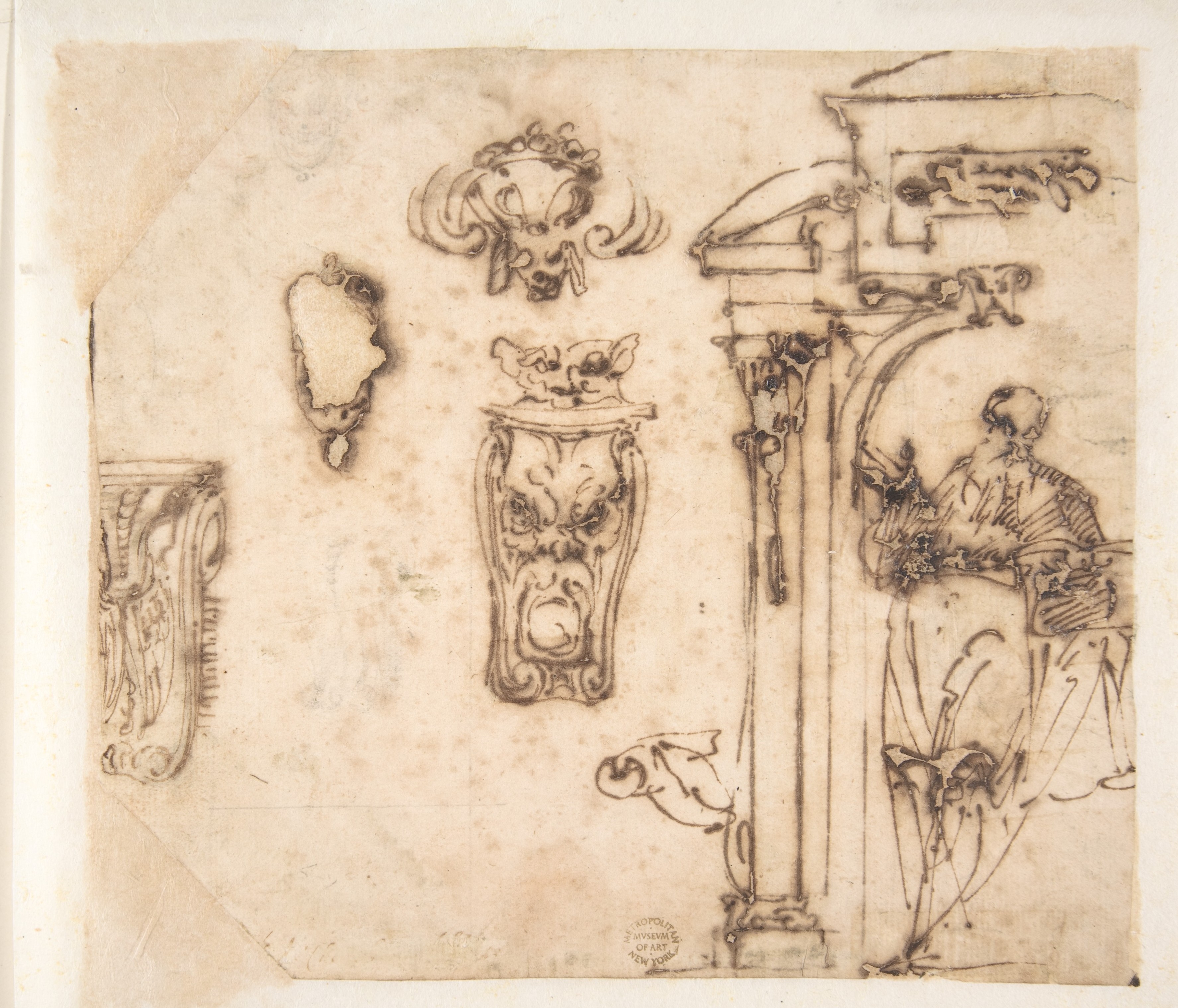
A Figure and Some Architectural Details.
Michelangelo Buonarroti
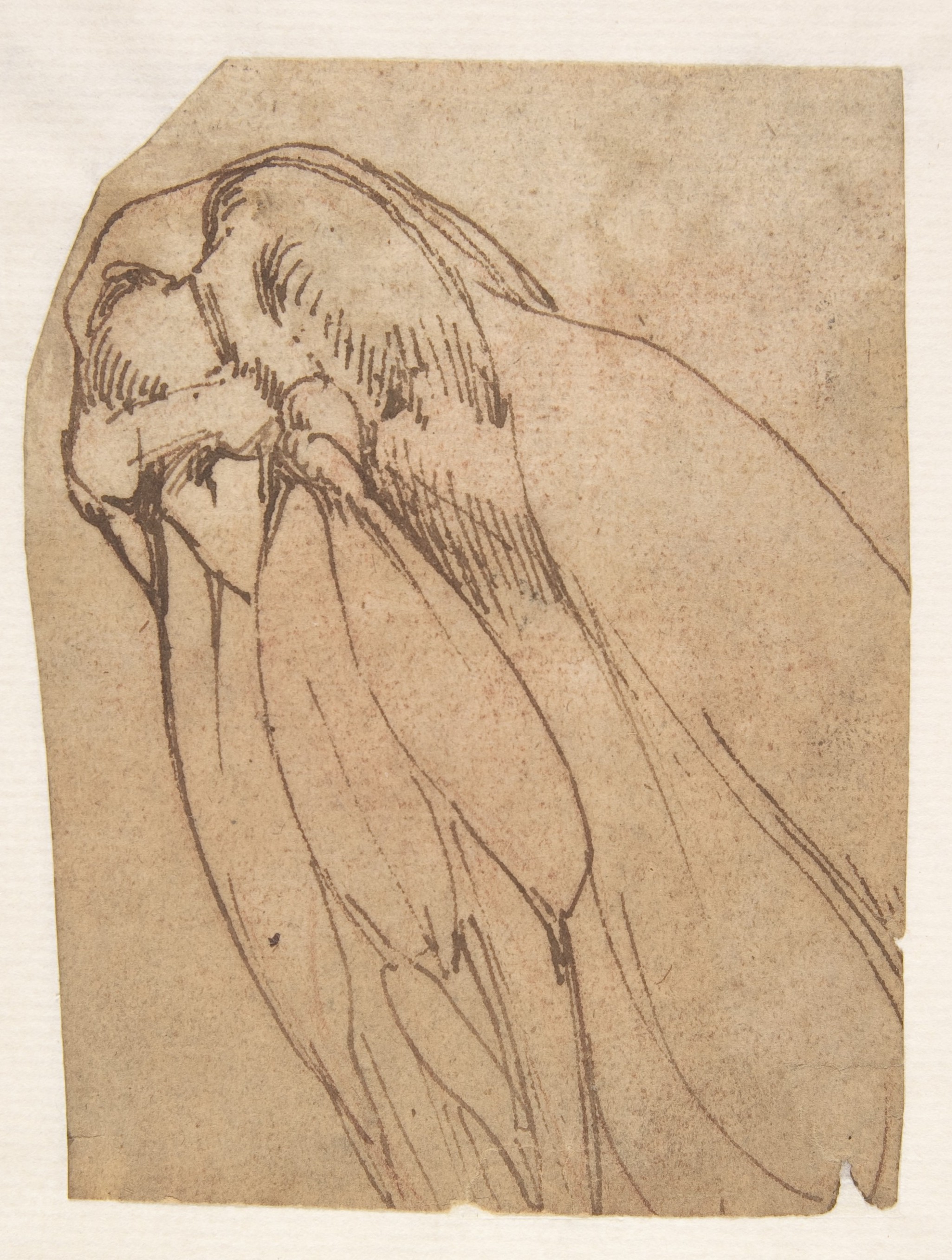
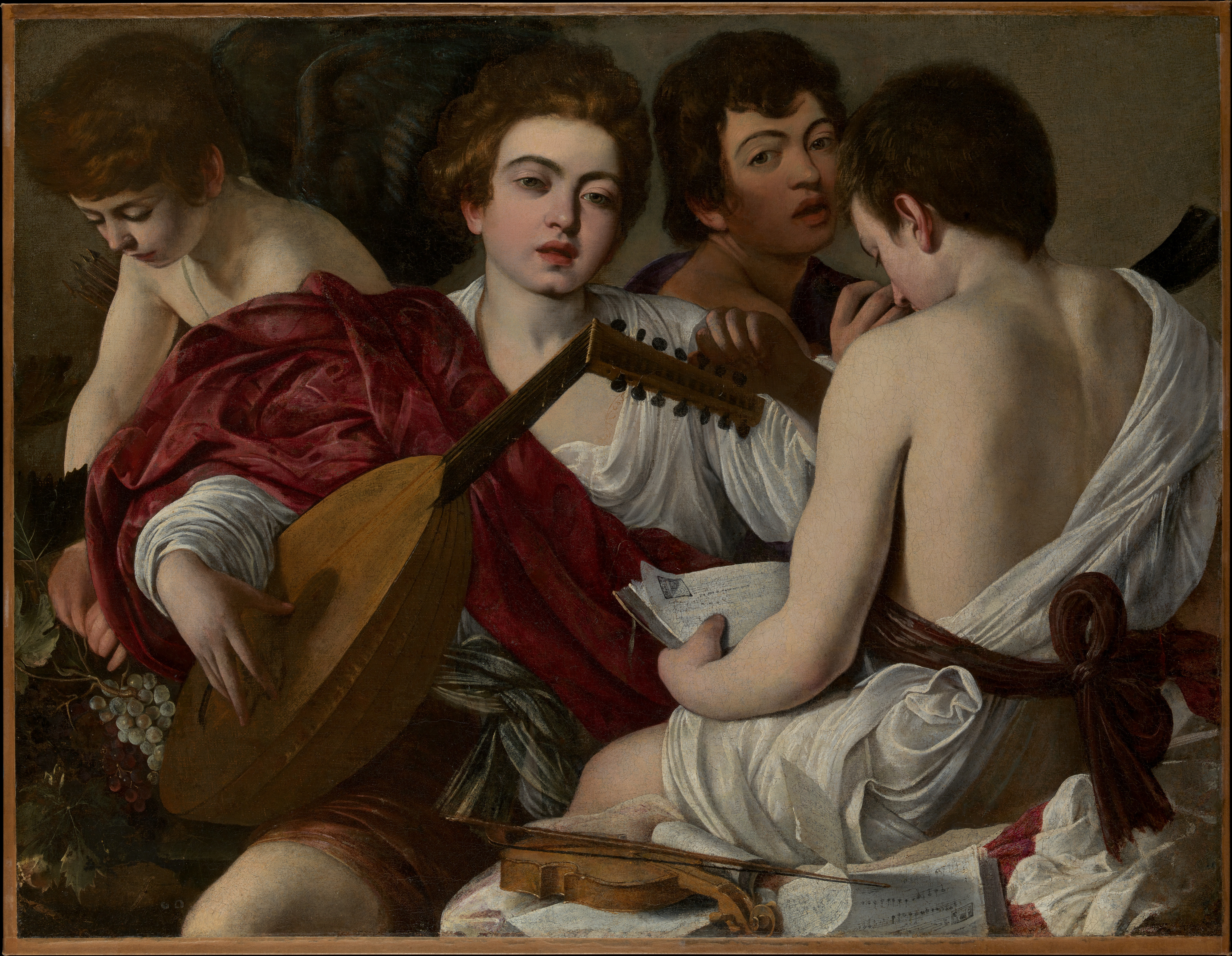
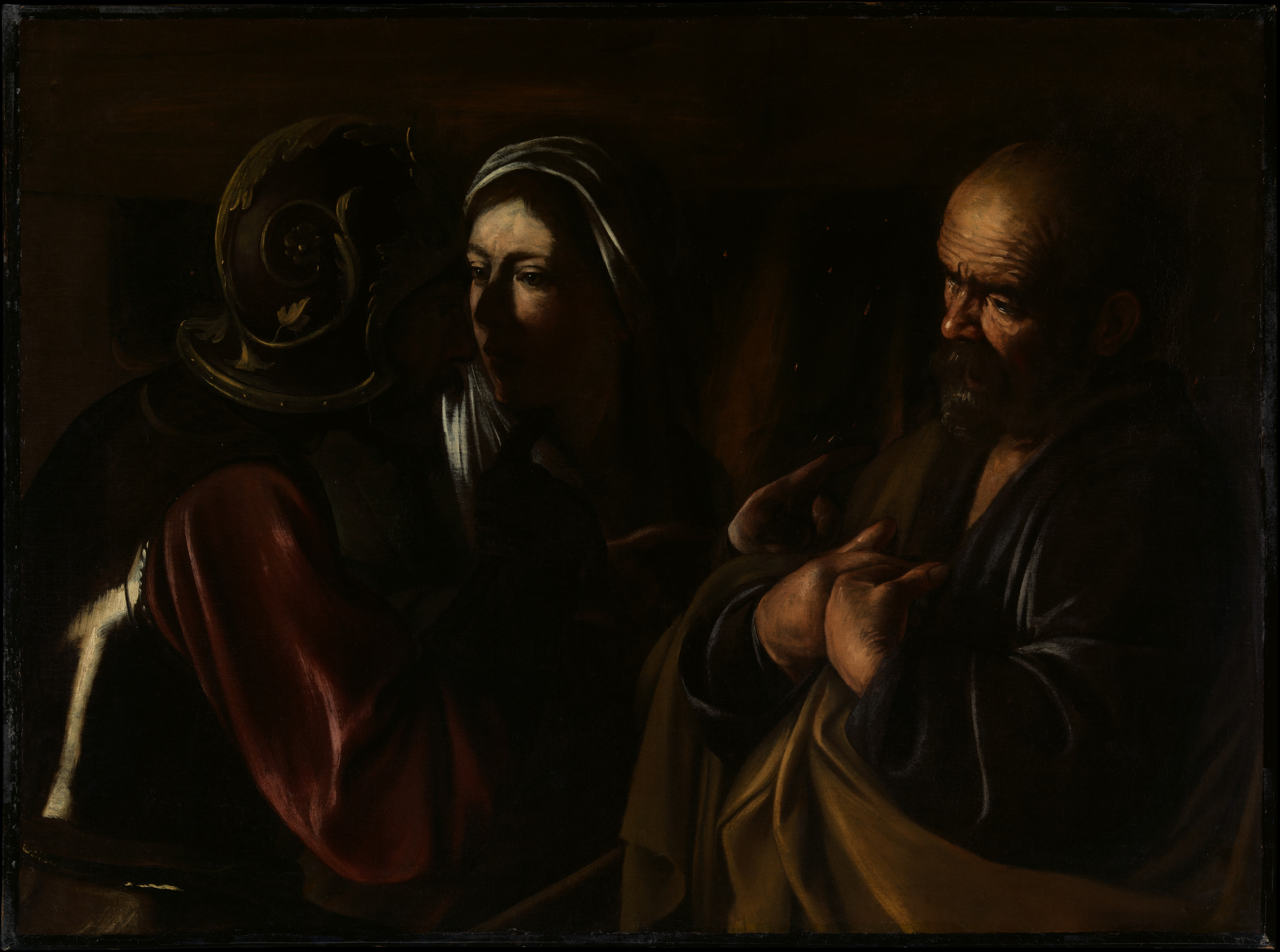
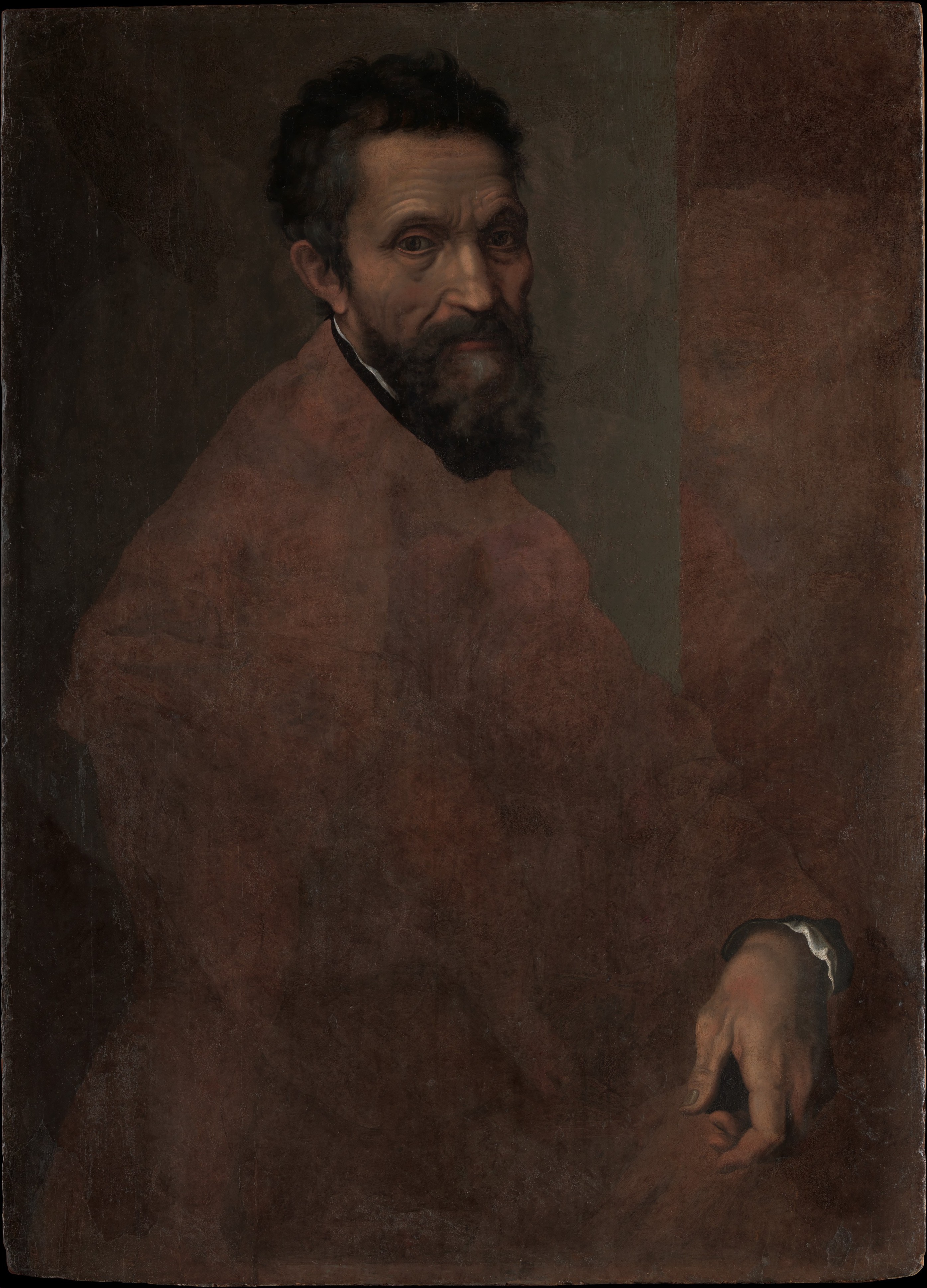
Michelangelo Buonarroti (1475–1564)
Daniele da Volterra
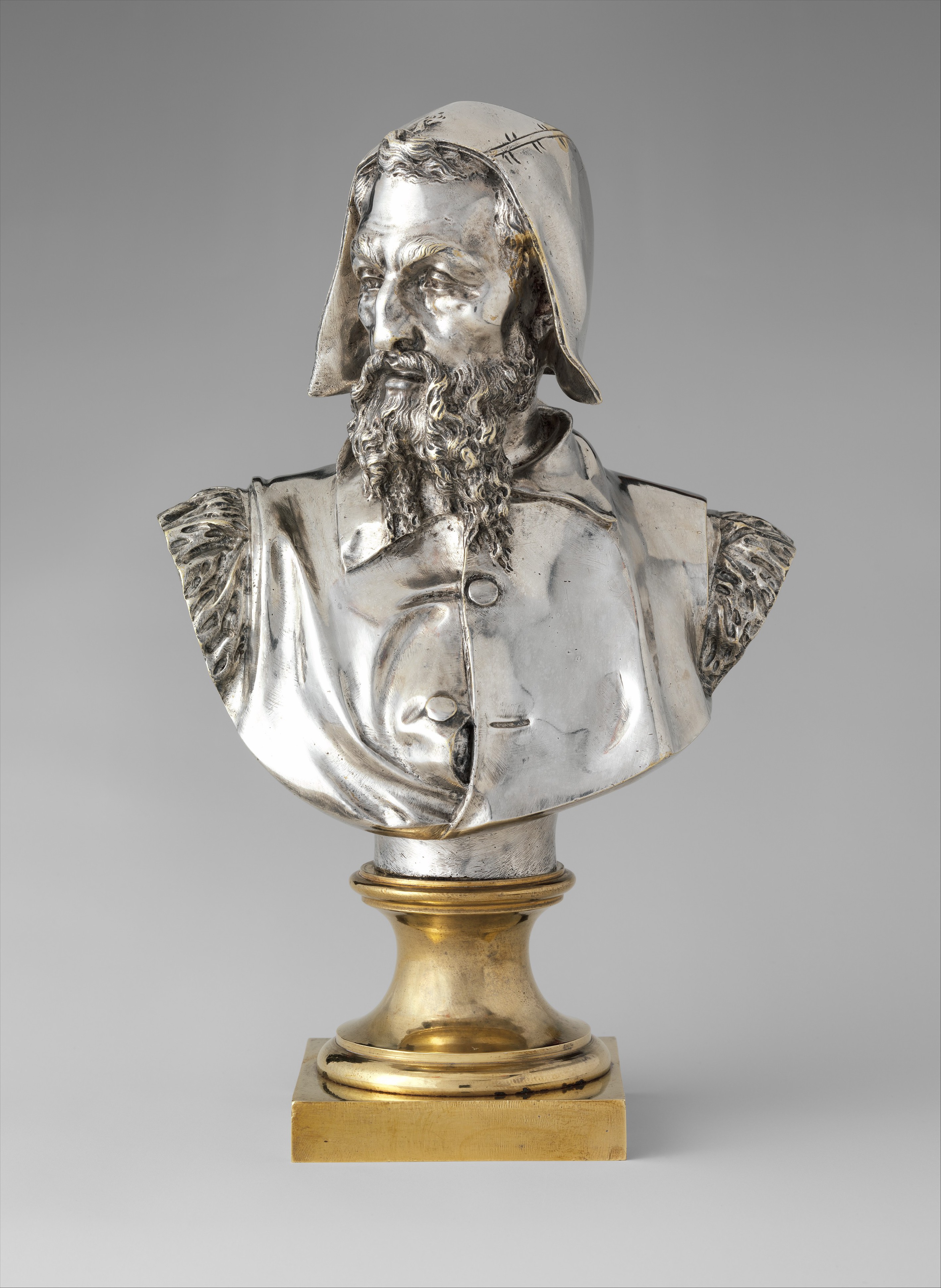
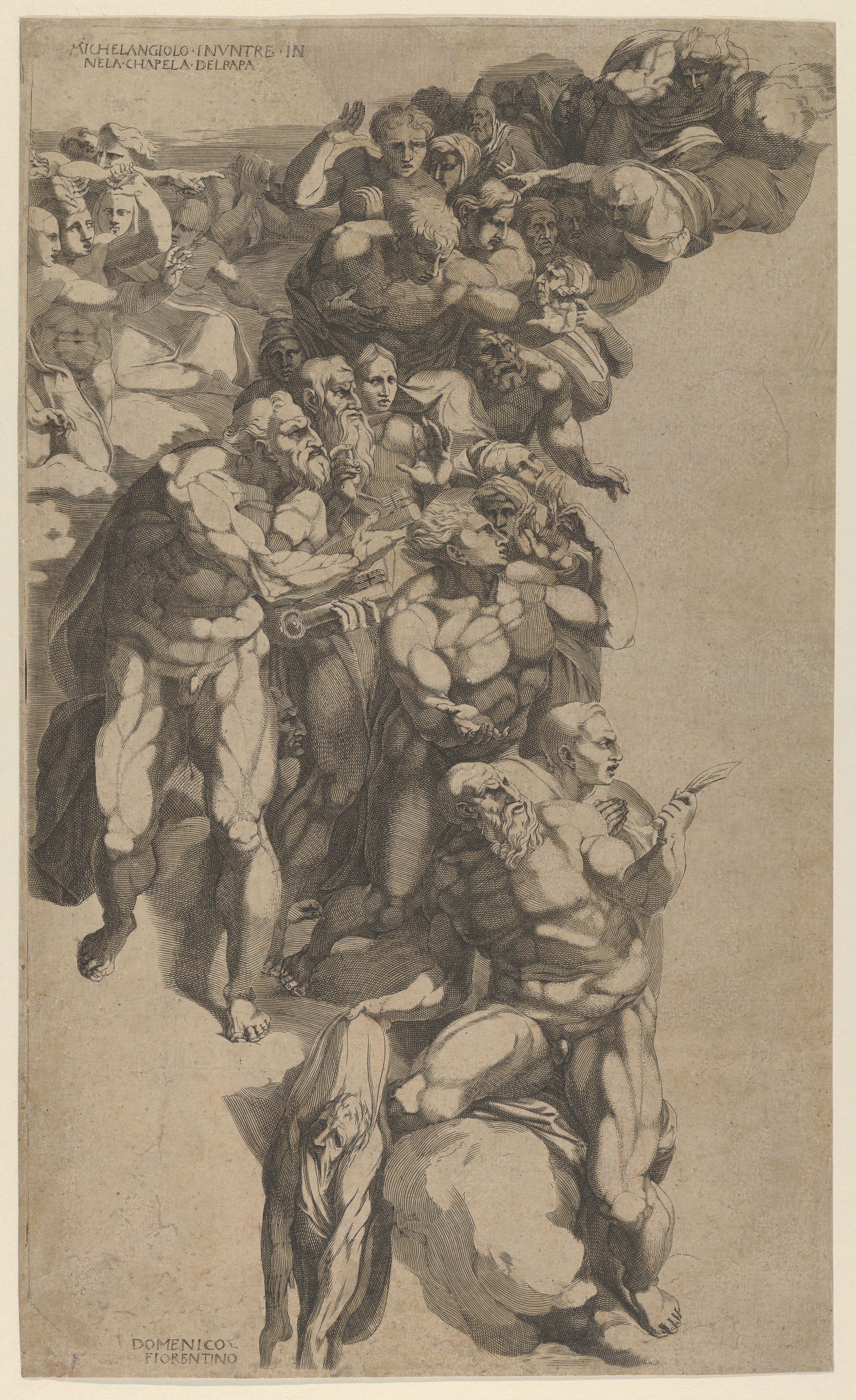
Group from Last Judgment, St. Bartholomew, St. Peter, and other Apostles
Michelangelo Buonarroti|Domenico del Barbiere

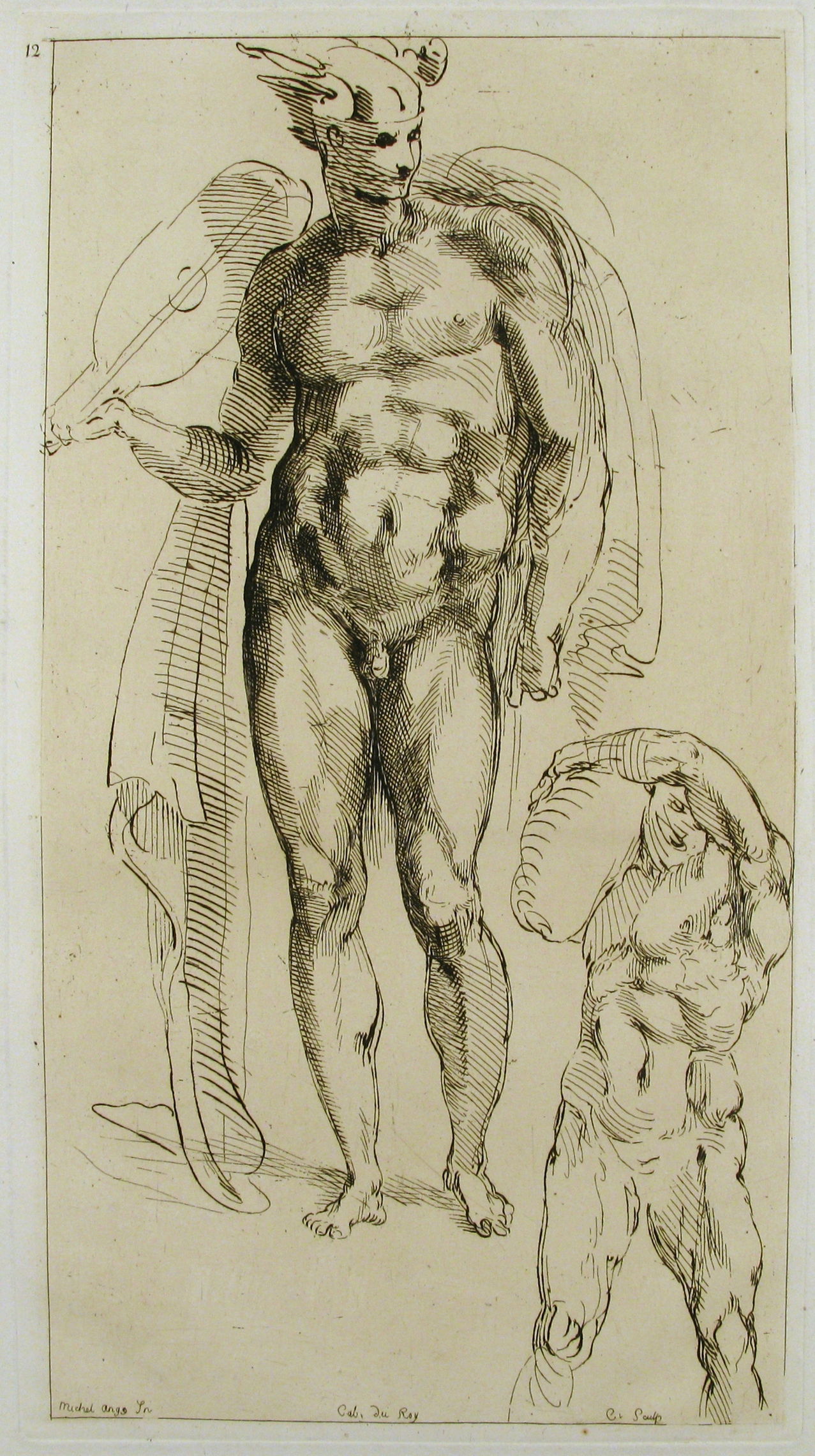
Mercury
Michelangelo Buonarroti|Anne Claude Philippe de Tubières, comte de Caylus
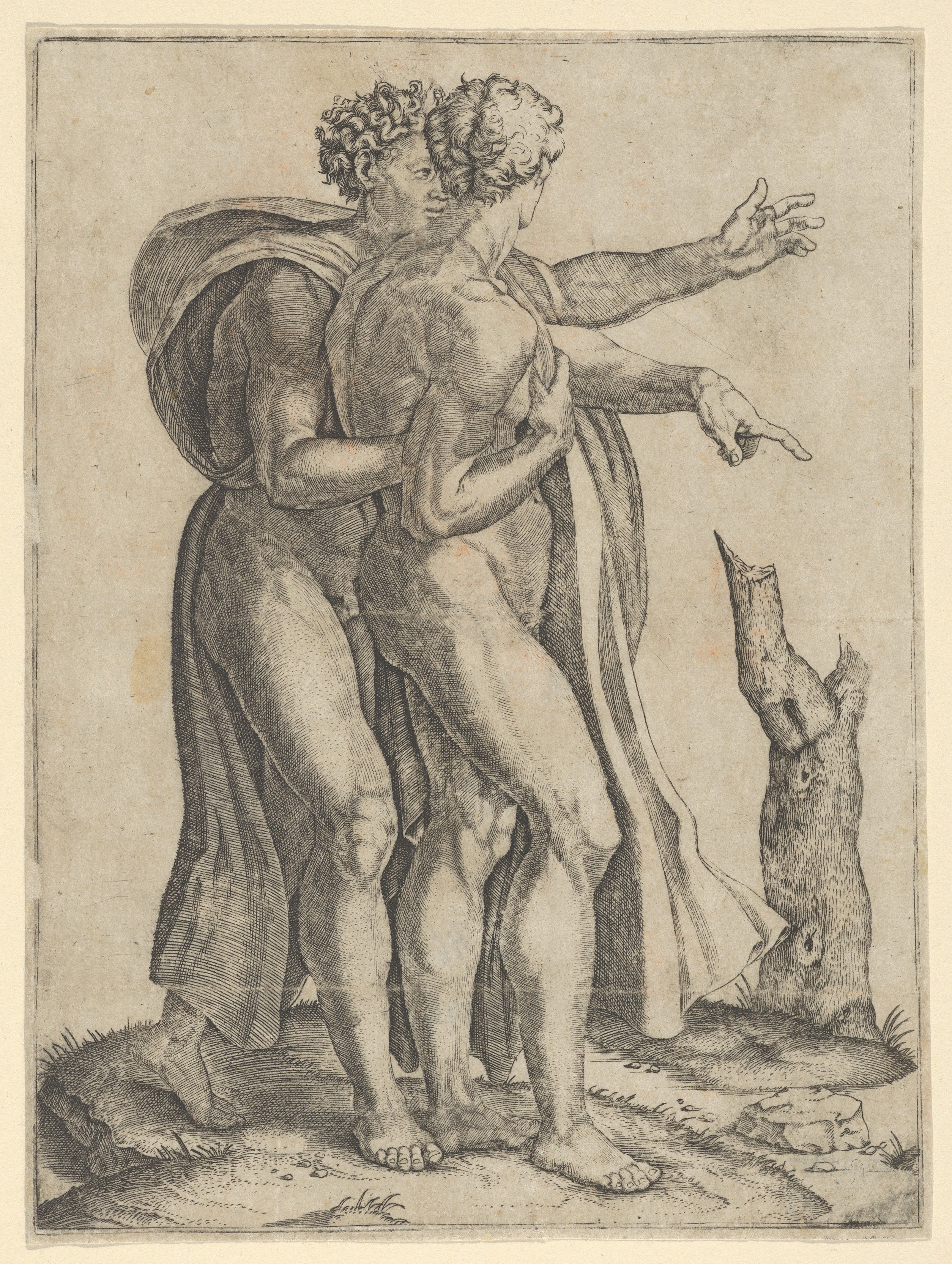
Two naked men, the sons of Noah, standing in profile facing right, both pointing
Michelangelo Buonarroti|Marcantonio Raimondi
The Sonnets of Michael Angelo Buonarroti and Tommaso Campanella; Now for the First Time Translated into Rhymed English
THE SONNETS OF MICHAEL ANGELO BUONARROTI AND TOMMASO CAMPANELLA NOW FOR THE FIRST TIME TRANSLATED INTO RHYMED ENGLISH BY JOHN ADDINGTON SYMONDS AUTHOR OF 'RENAISSANCE IN...
More from the Renaissance


Explore what happened on the days that shaped Michelangelo's life. Today In History connects historical figures with the events, births, and deaths that defined their era. Browse all historical figures or explore today's events.