

Historical Figure
Thutmose III
d. 1425 BC
Pharaoh of Egypt from 1479 to 1425 BC
Talk to Thutmose III
Have a conversation with this historical figure through AI
Biography
Thutmose III, sometimes called Thutmose the Great, was the fifth pharaoh of the 18th Dynasty of Egypt. He is regarded as one of the greatest warriors, military commanders, and military strategists of all time; as Egypt's preeminent warrior pharaoh and conqueror; and as a dominant figure in the New Kingdom period.
Timeline
The story of Thutmose III, told in moments.
Crowned pharaoh at two years old. His stepmother Hatshepsut becomes regent. She's supposed to keep the throne warm. Instead she declares herself pharaoh. Thutmose spends the next 22 years as junior coregent. Hatshepsut puts him in charge of the army. It turns out to be a mistake. For her.
Fights the Battle of Megiddo. His generals want the safe route around the ridge. Thutmose takes the narrow Aruna pass instead. It's barely wide enough for single file. If the enemy attacks in the pass, the army is finished. They don't. He emerges behind the Canaanite coalition and crushes them. Megiddo falls after a seven-month siege.
Launches naval campaigns across the eastern Mediterranean. He builds the first known navy in the ancient world. Campaigns from the Euphrates to the Fourth Cataract of the Nile. Between 17 and 20 military campaigns, all victorious. Historian Richard Gabriel calls him the Napoleon of Egypt.
Commissions the Annals of Thutmose III, carved into the walls of the Temple of Karnak. They're the most detailed military records of the ancient world. Lists of tribute, garrison placements, enemy forces. He also collects exotic plants from his campaigns and has them carved on the walls of the Botanical Garden chamber at Karnak.
Dies after a 54-year reign, the longest of the Eighteenth Dynasty. He's brought Egypt's empire to its maximum extent. His mummy, found in the Deir el-Bahri cache in 1881, shows a man about five feet tall. His son Amenhotep II continues the dynasty. The name Megiddo survives into the Bible as Armageddon.
Artifacts (12)
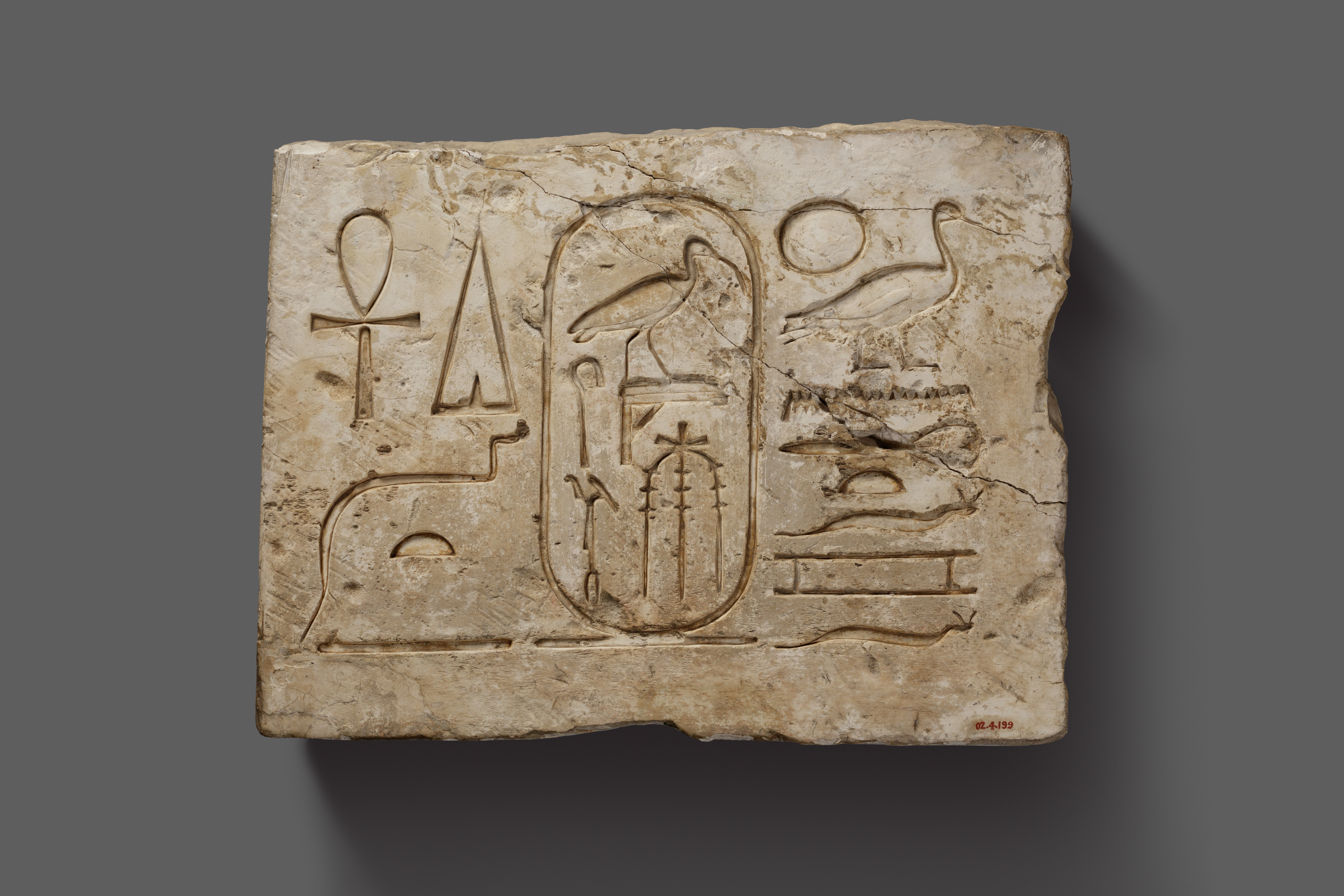

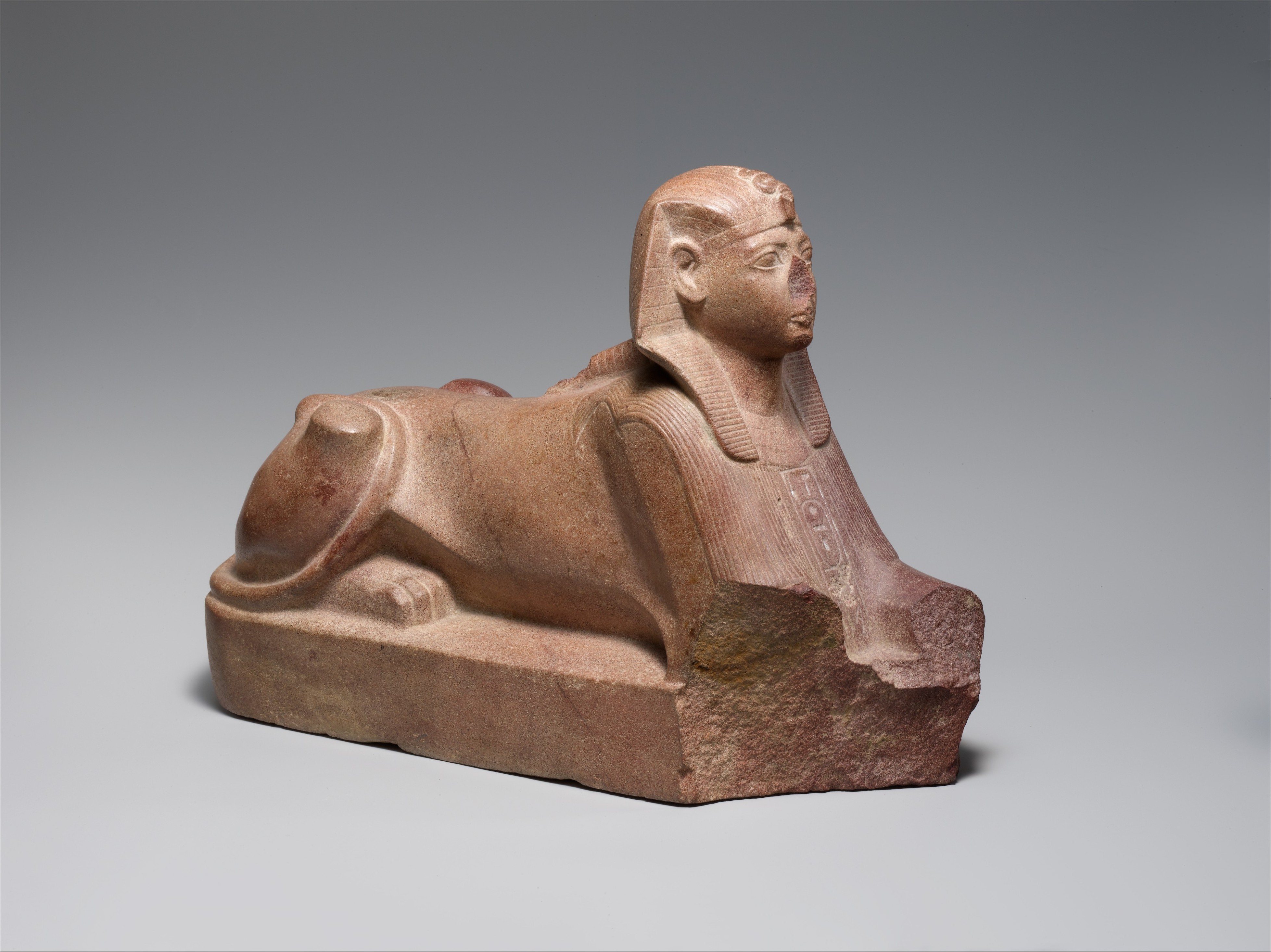
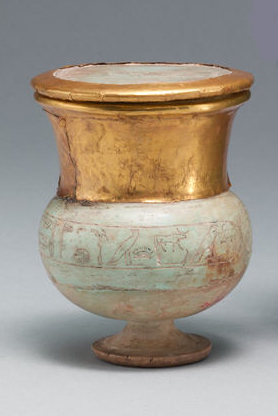
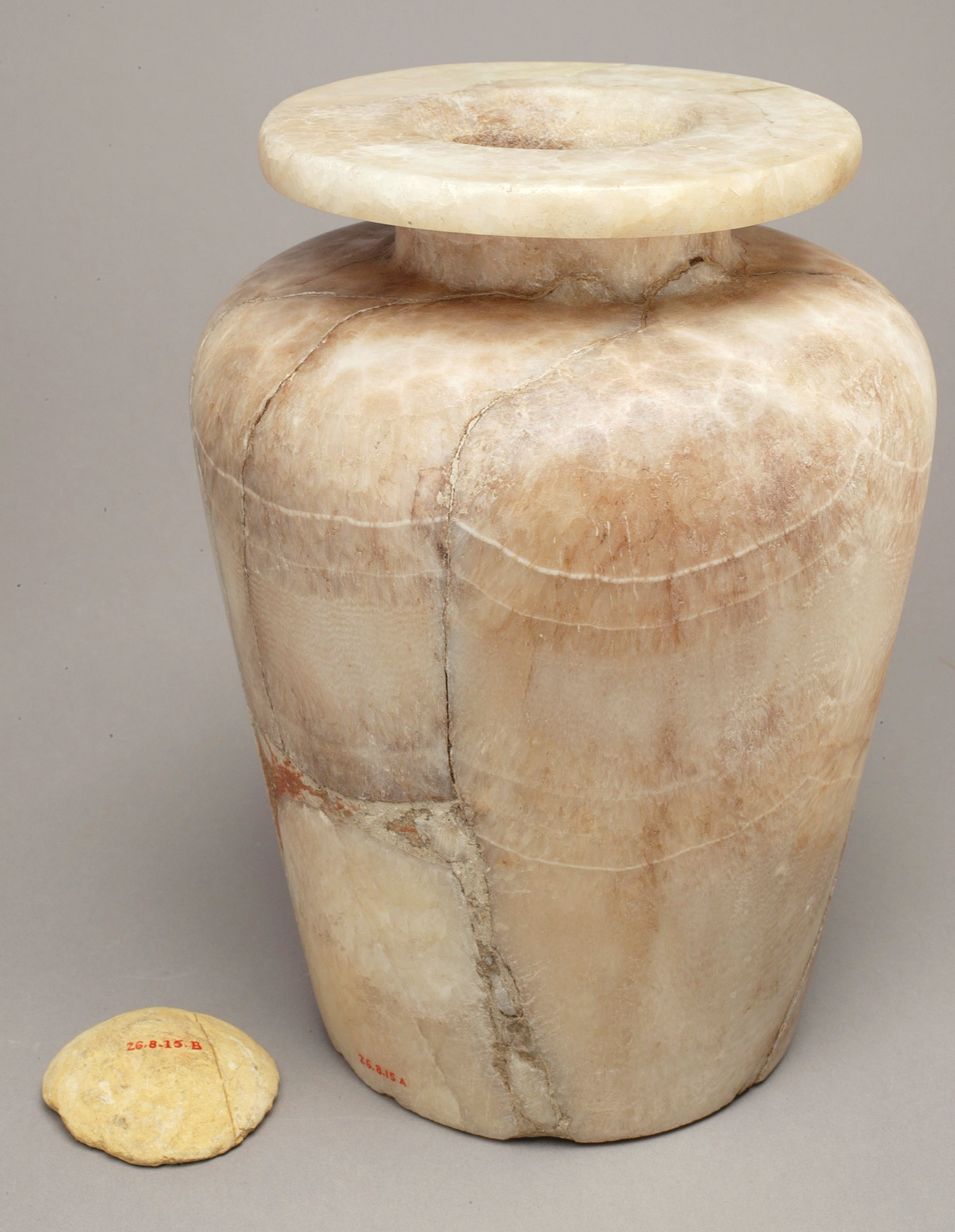
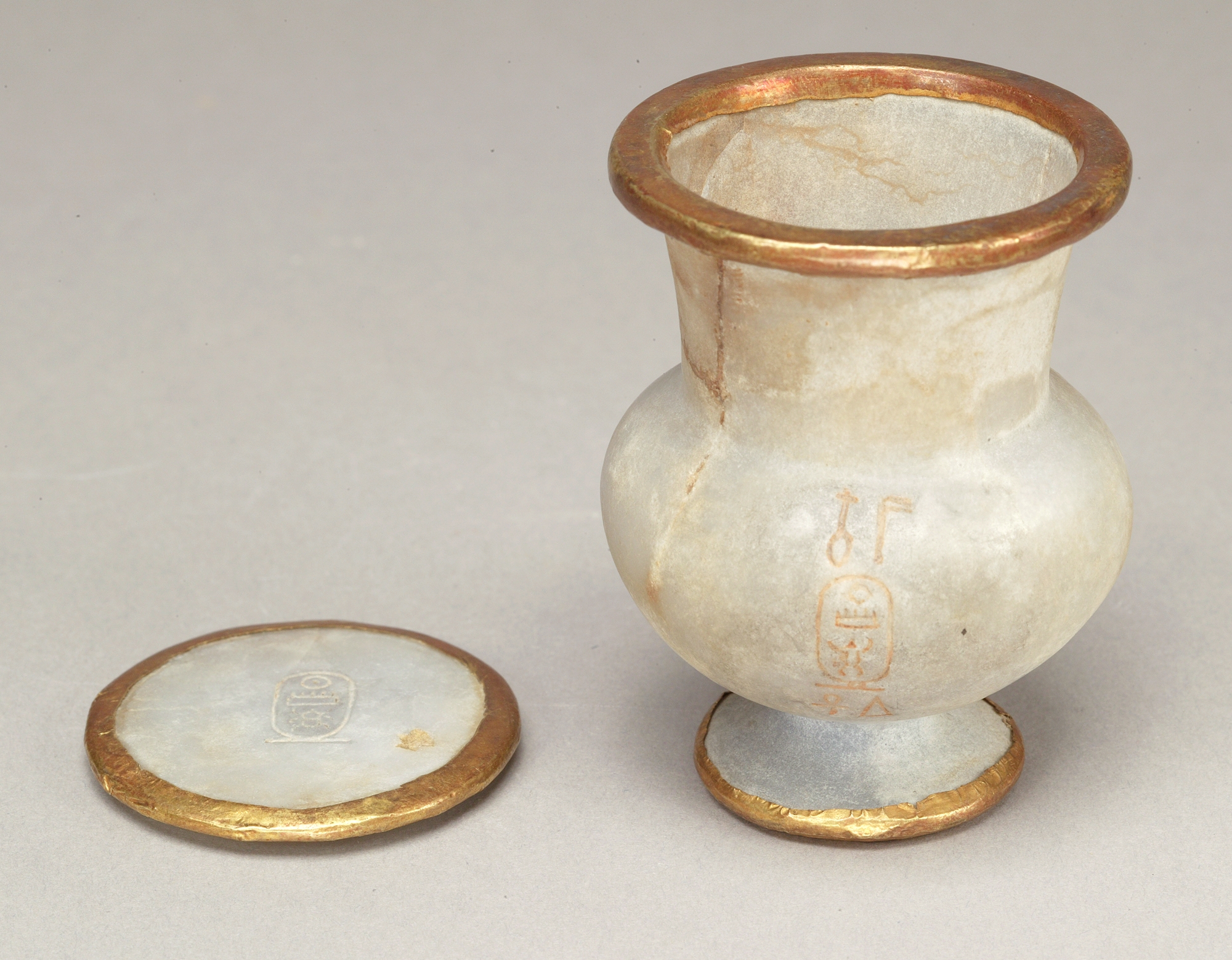
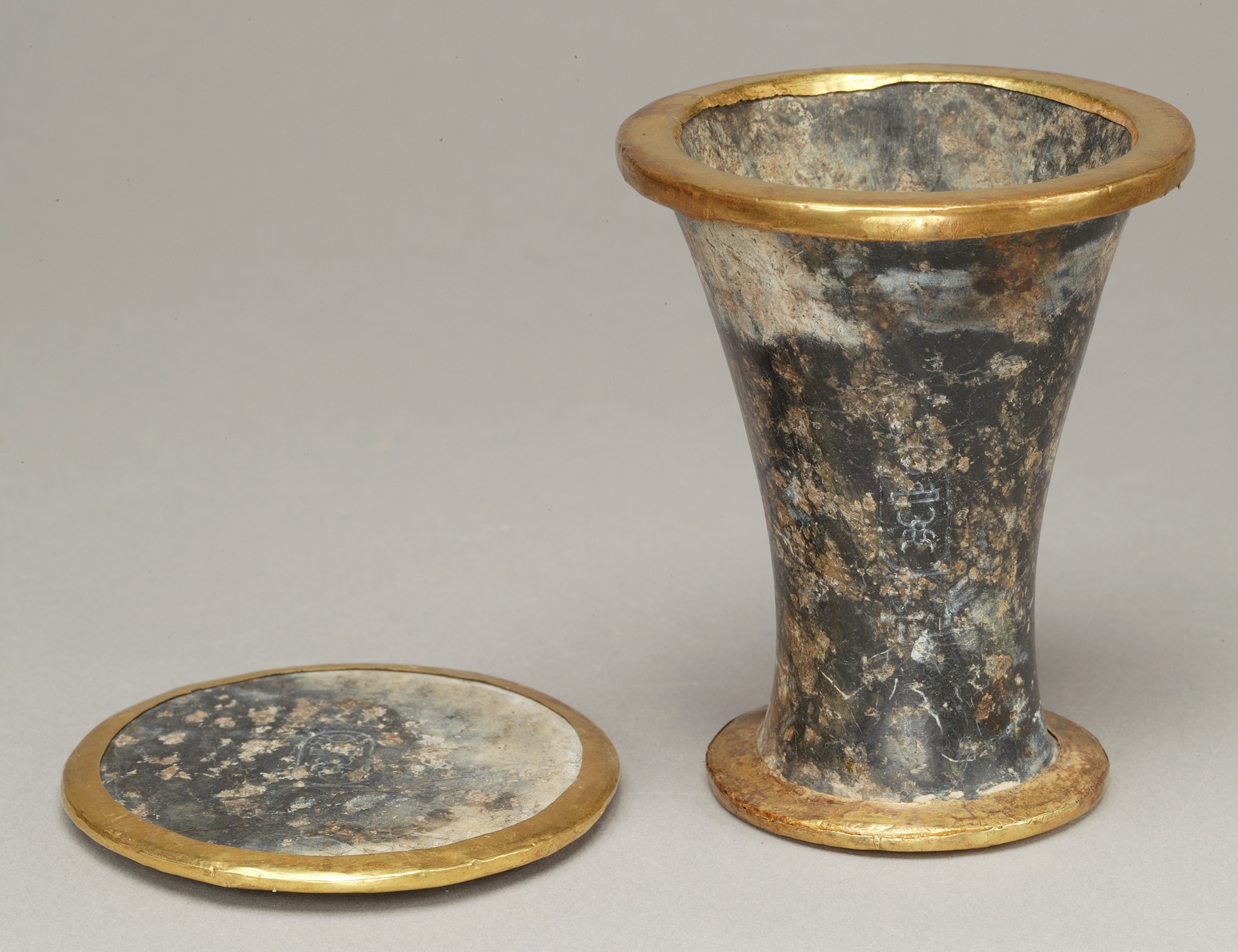
Wide-necked jar and lid naming Thutmose III
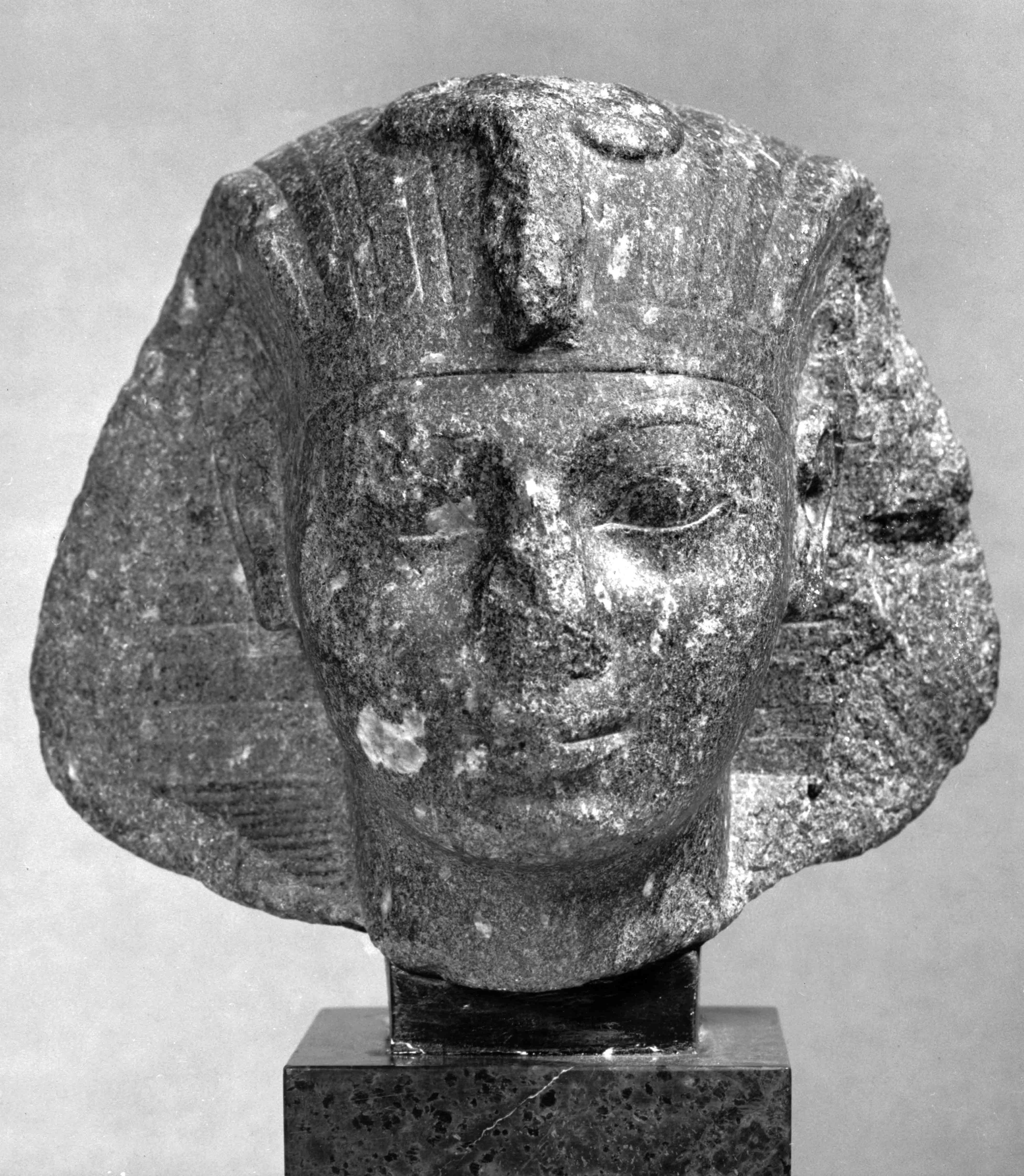

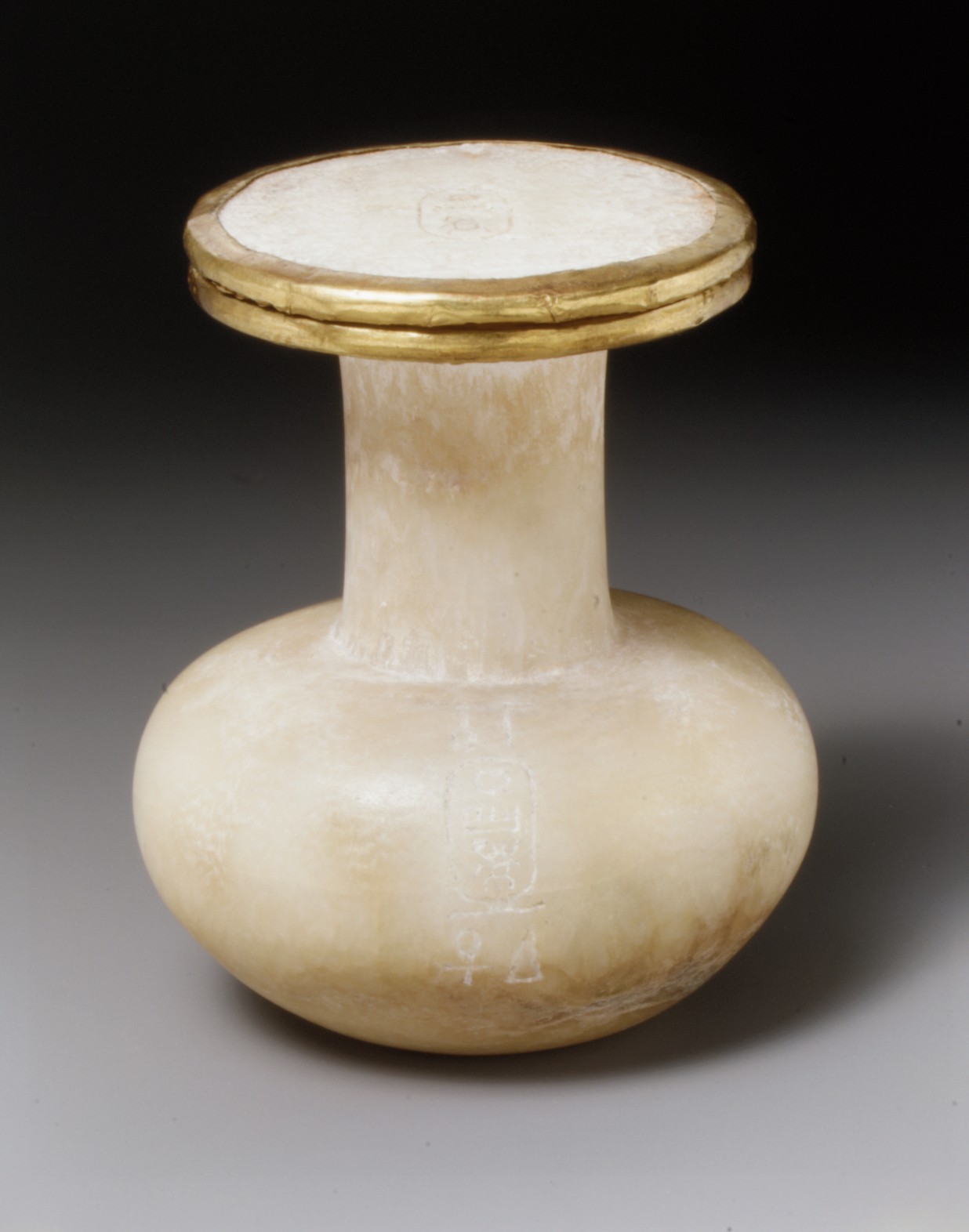
Bottle and lid naming Thutmose III
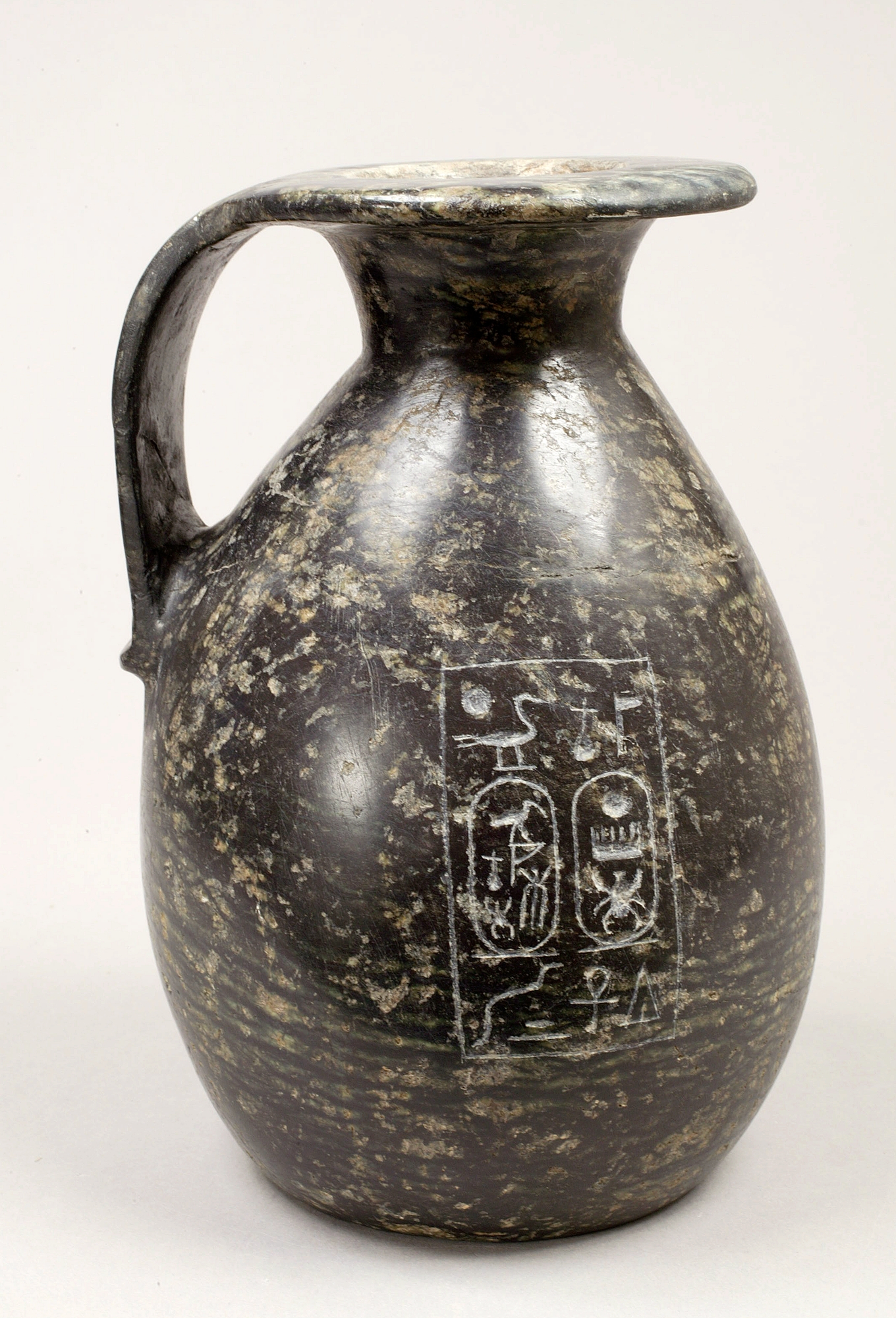
Inscribed shoulder jar with cartouche of Thutmose III
More from the Ancient


Explore what happened on the days that shaped Thutmose III's life. Today In History connects historical figures with the events, births, and deaths that defined their era. Browse all historical figures or explore today's events.