

Historical Figure
Alexander the Great
d. 323 BC
Military commander, King of Macedon from 336 to 323 BC
Talk to Alexander the Great
Have a conversation with this historical figure through AI
Biography
Alexander III of Macedon, most commonly known as Alexander the Great, was king of the ancient Greek kingdom of Macedon. He succeeded his father Philip II to the throne in 336 BC at the age of 20, and spent most of his reign conducting a lengthy military campaign throughout Asia and Egypt. By the age of 30, he had created one of the largest empires in history, stretching from Greece to northwestern India. He was undefeated in battle and is widely considered to be one of history's greatest and most successful military commanders.
In Their Own Words (5)
So would I, if I were Parmenion.
As quoted in Lives by Plutarch, after Parmenion suggested to him after the Battle of Issus that he should accept Darius III of Persia's offer of an alliance, the hand of his daughter in marriage, and all Minor Asia, saying "If I were Alexander, I would accept the terms" (Variant translation: I would accept it if I were Alexander). , 2002
There is nothing impossible to him who will try.
On taking charge of an attack on a fortress, in Pushing to the Front, or, Success under Difficulties : A Book of Inspiration (1896) by Orison Swett Marden, p. 55 , 1896
I do not steal victory.
Reply to the suggestion by Parmenion, before the Battle of Gaugamela, that he attack the Persian camp during the night, reported in Life of Alexander by Plutarch, as quoted in A History of Greece to the Death of Alexander the Great (1900) by John Bagnell Bury , 1900
Shall I pass by and leave you lying there because of the expedition you led against Greece, or shall I set you up again because of your magnanimity and your virtues in other respects?
Pausing and addressing to a fallen statue of Xerxes the Great , 1977
Sex and sleep alone make me conscious that I am mortal.
As quoted in Alexander the Great (1973) by Robin Lane Fox , 1973
Timeline
The story of Alexander the Great, told in moments.
At age 13, his father hires Aristotle as his private tutor. For three years, in a rural village called Mieza, the greatest philosopher of the age teaches the boy who will conquer the known world. Aristotle gives him a copy of the Iliad. Alexander will carry it with him for the rest of his life, sleeping with it under his pillow alongside a dagger.
Crosses into Asia with 37,000 troops and defeats the Persian army at the Granicus River. He is 22. Darius III rules an empire stretching from Egypt to India. Alexander has a single kingdom and a massive debt. He charges the Persian cavalry personally.
Arrives at the Oracle of Ammon in the Siwa Oasis after an 8-day march through the Libyan desert. His army nearly dies of thirst. The priests greet him as Son of Zeus. He never tells anyone what the oracle said to him in private. He believes it for the rest of his life.
Destroys the Persian army at Gaugamela, present-day Iraq. Darius has assembled perhaps 250,000 men. Alexander has 47,000. He drives a cavalry wedge straight at Darius, who panics and flees. The Persian Empire, which has lasted 220 years, falls in a single afternoon.
Burns Persepolis, the ceremonial capital of the Persian Empire. The richest city in the world. Some sources say Thais, an Athenian courtesan, suggests it during a drunken banquet. Others say Alexander ordered it deliberately to avenge the Persian burning of Athens 150 years earlier. Either way, the fire lasts hours.
Reaches the Hydaspes River in India and defeats King Porus in a monsoon battle, using elephants against elephants. But his army refuses to go further. They've been marching for eight years. They've crossed deserts, mountains, and three empires. His soldiers weep and beg to go home. Alexander locks himself in his tent for three days. Then he turns back.
Dies in the palace of Nebuchadnezzar II in Babylon. He is 32. He'd been drinking and developed a fever that worsened over eleven days. When the common soldiers heard he was dying, they forced their way into the palace and filed past his bed one by one. He was too weak to speak. He waved. Asked on his deathbed to whom he left his empire, he reportedly answered: "To the strongest."
His generals immediately begin fighting over the empire. Within 40 years, it fragments into rival kingdoms: the Ptolemies in Egypt, the Seleucids in Persia, the Antigonids in Macedonia. None of them can hold what he built. But the Greek language and culture he spread across Asia persist for centuries. A Greek-speaking court rules Egypt until Cleopatra.
Artifacts (12)
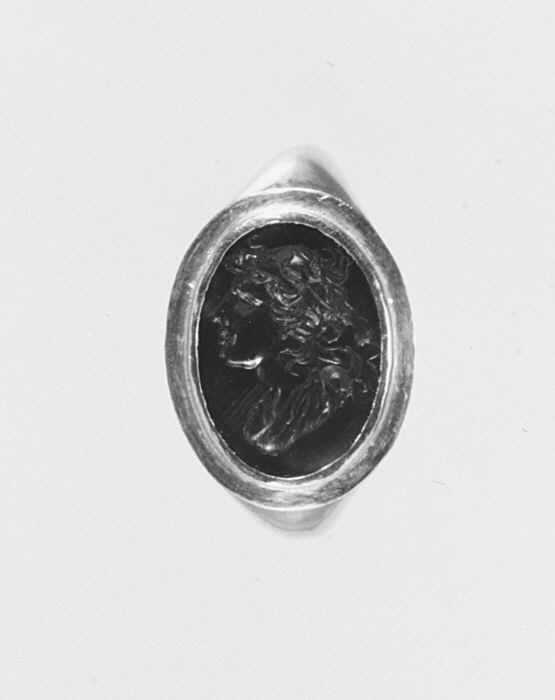
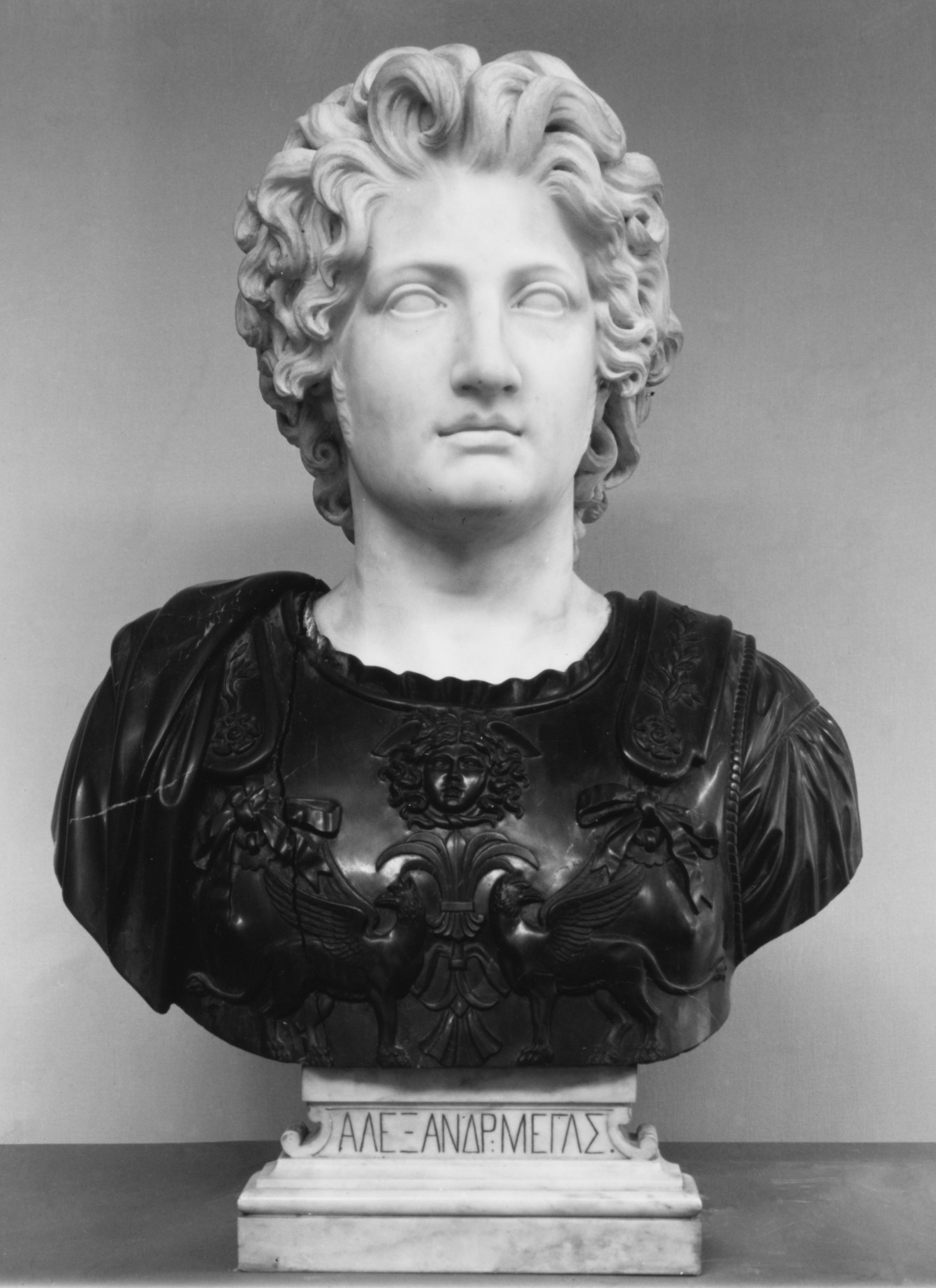
Alexander the Great
Viktor Brodzki
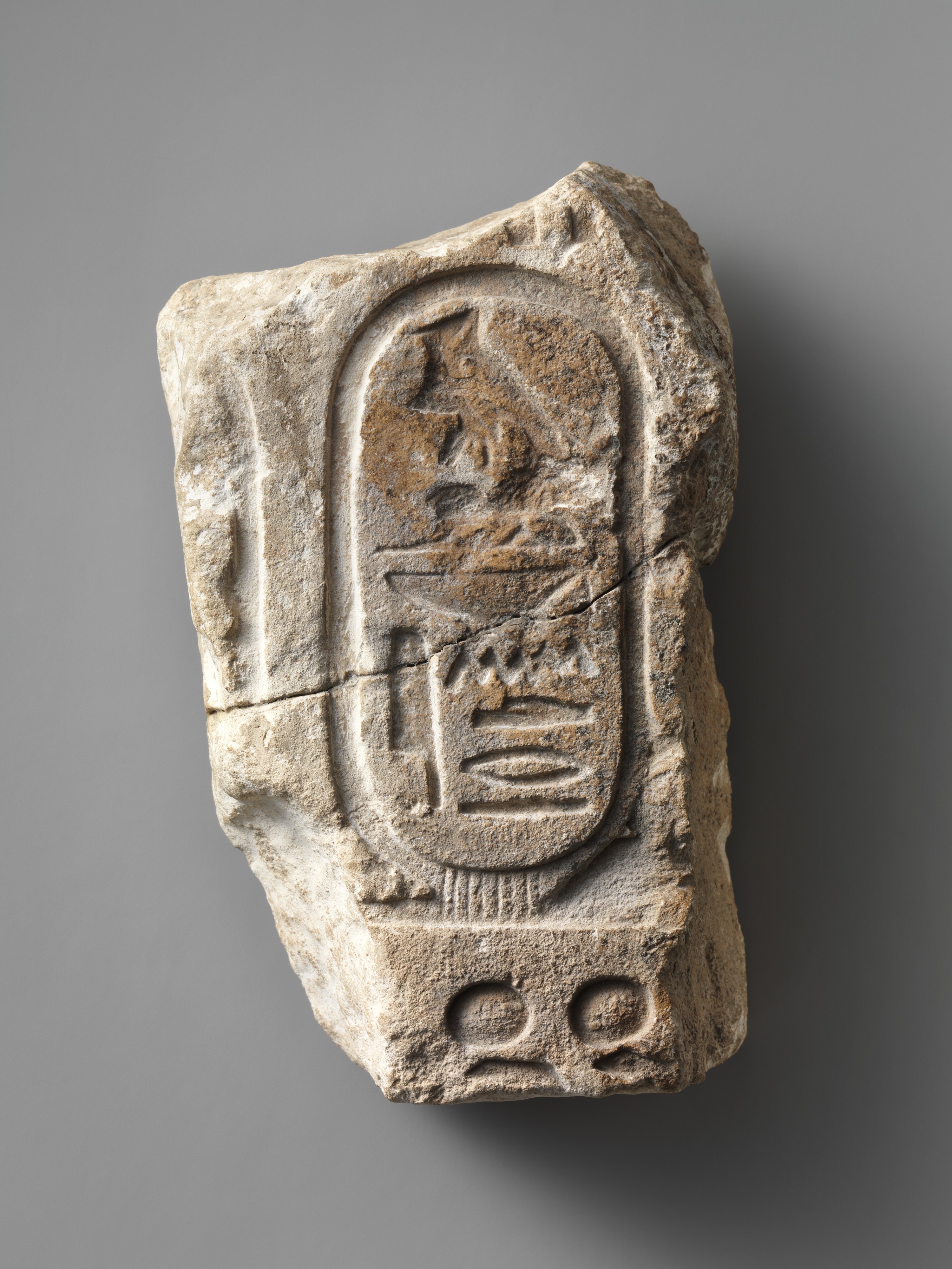
Block with cartouche of Alexander the Great or his son Alexander IV of Macedon
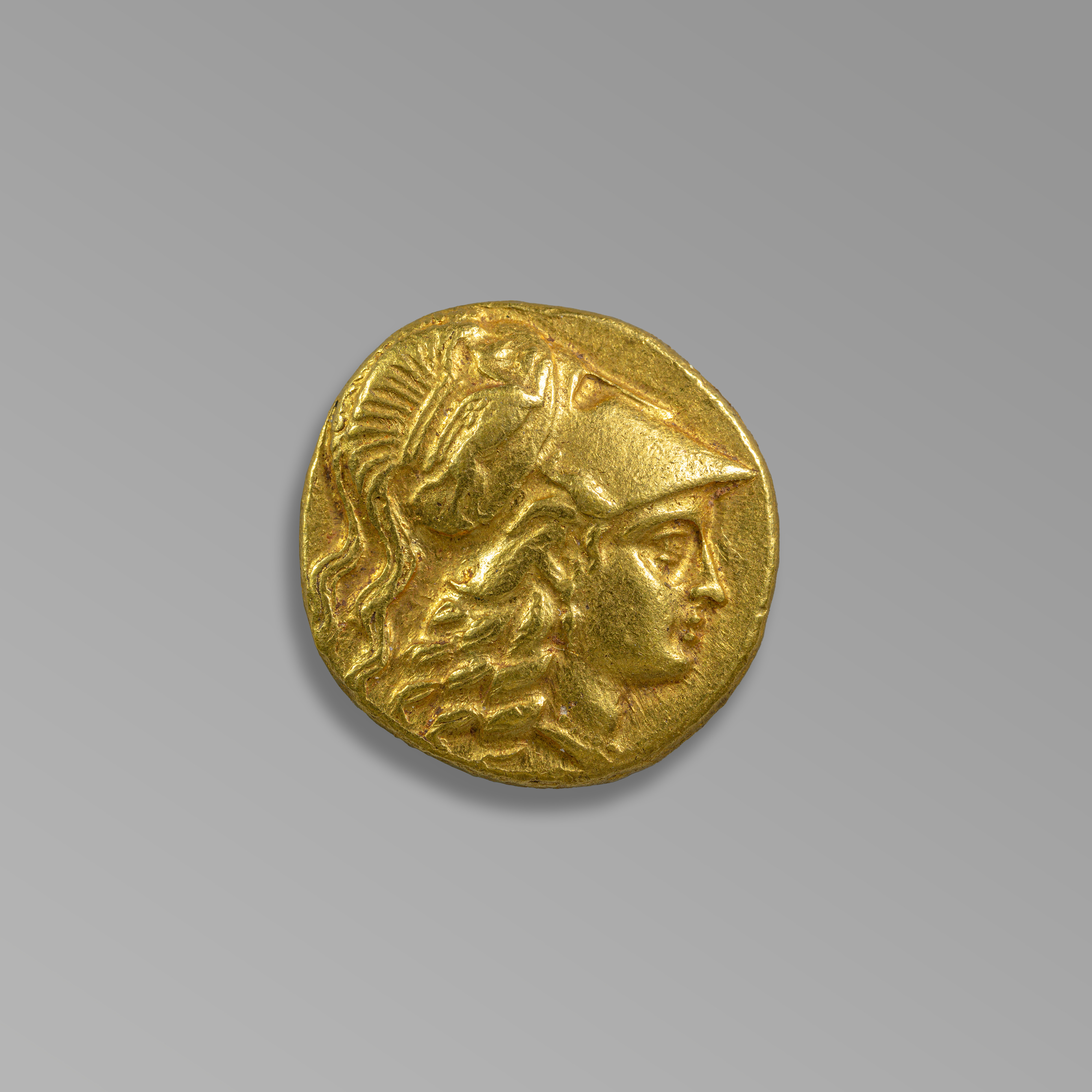
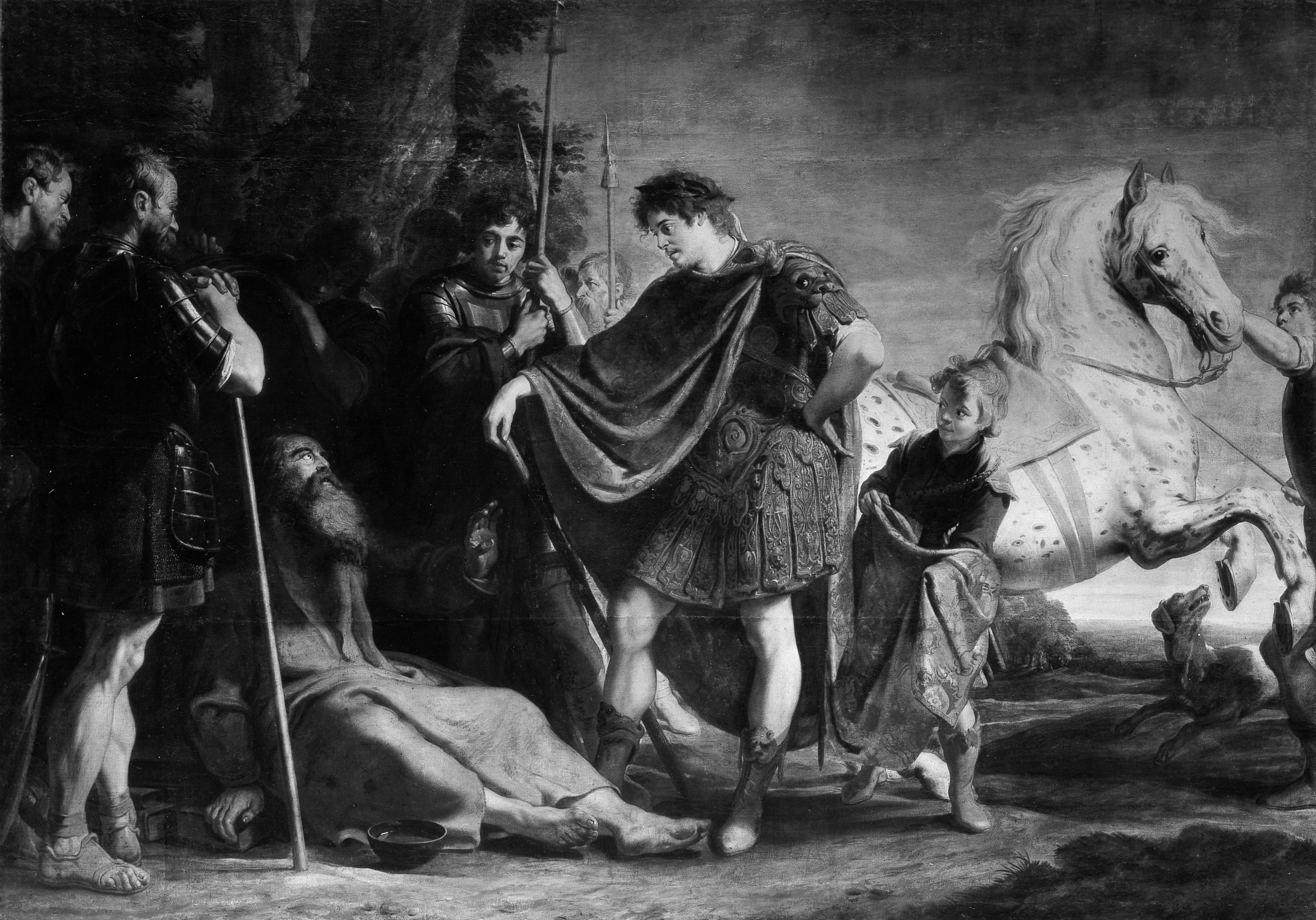
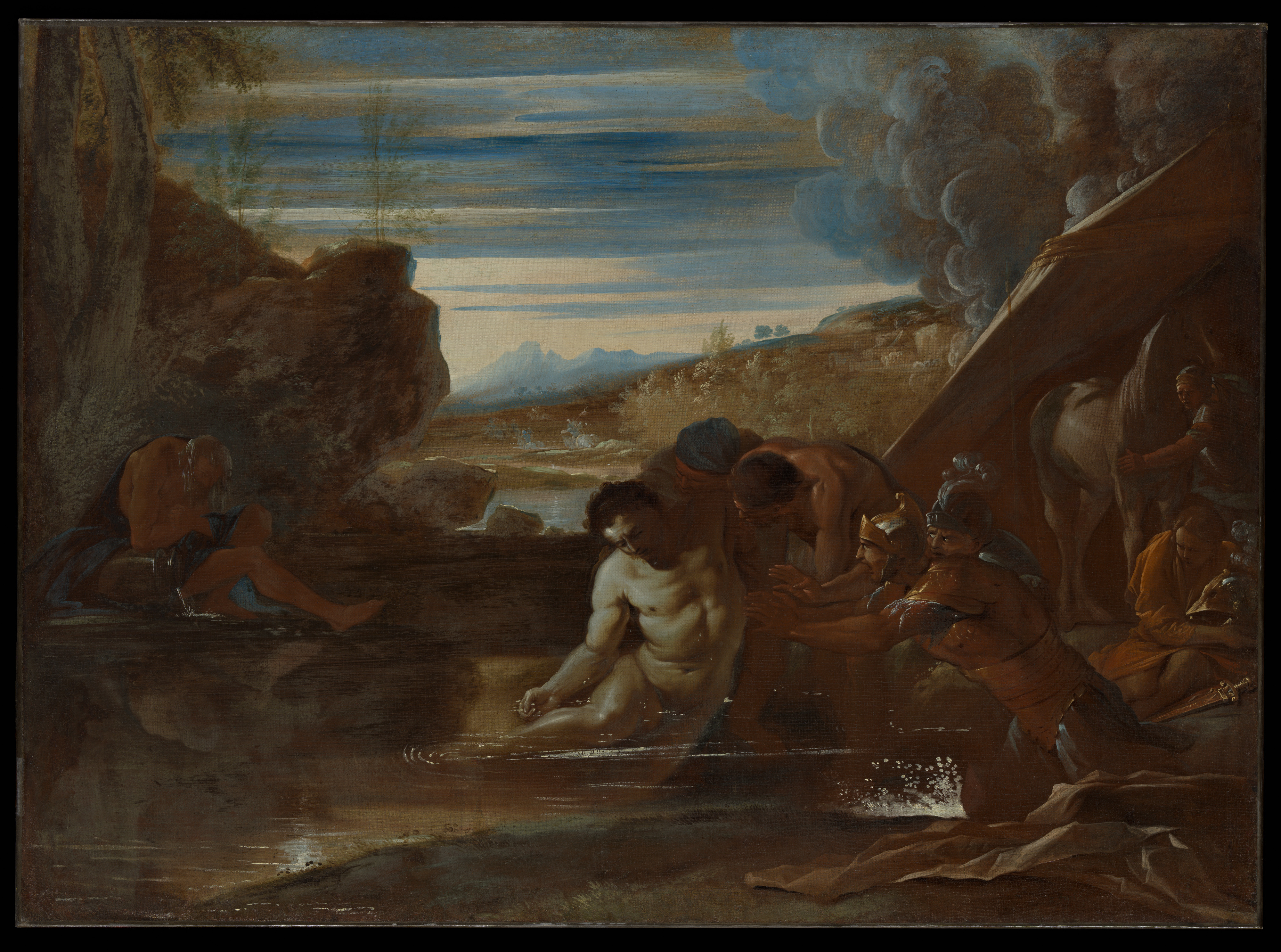
Alexander the Great Rescued from the River Cydnus
Pietro Testa


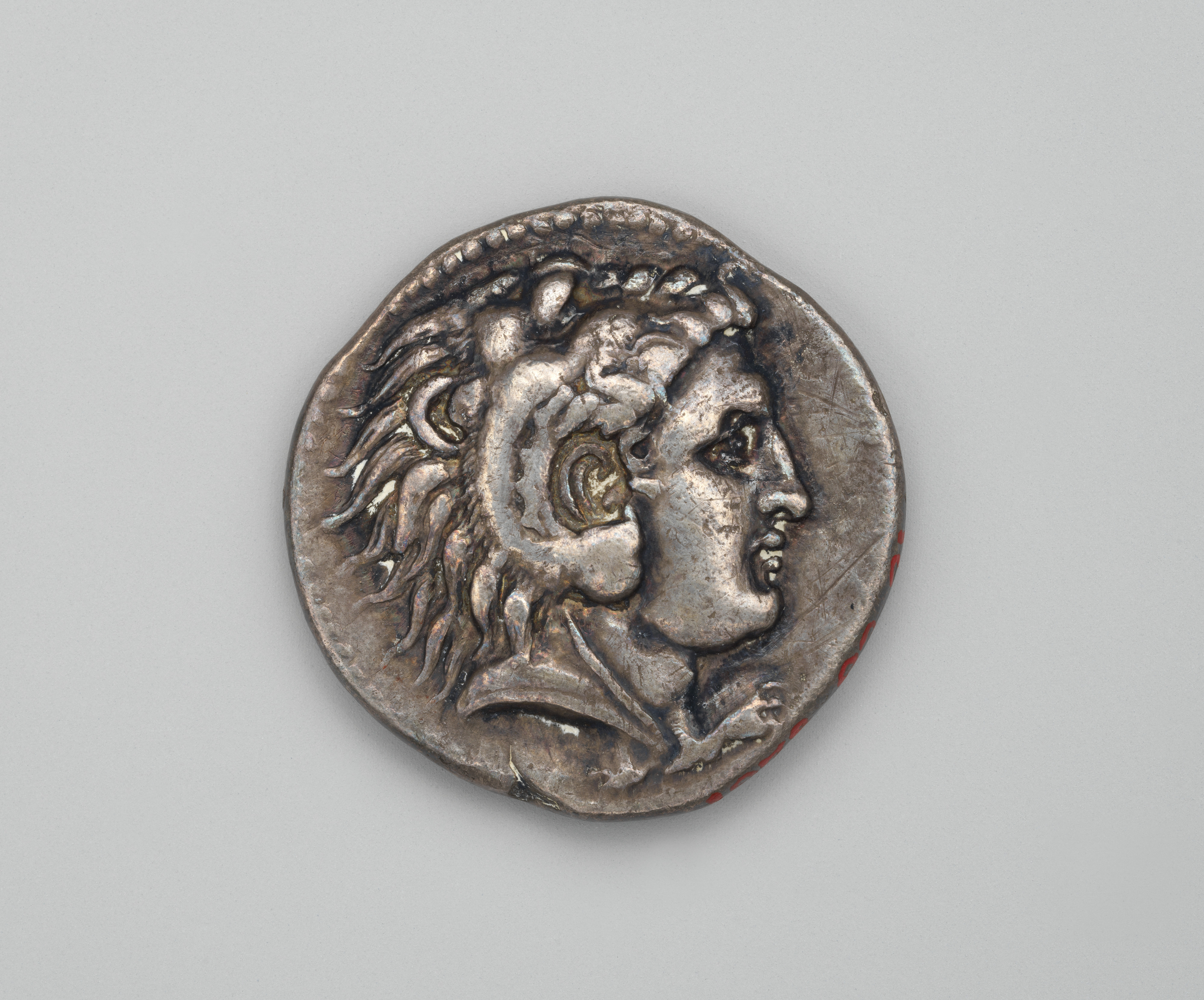
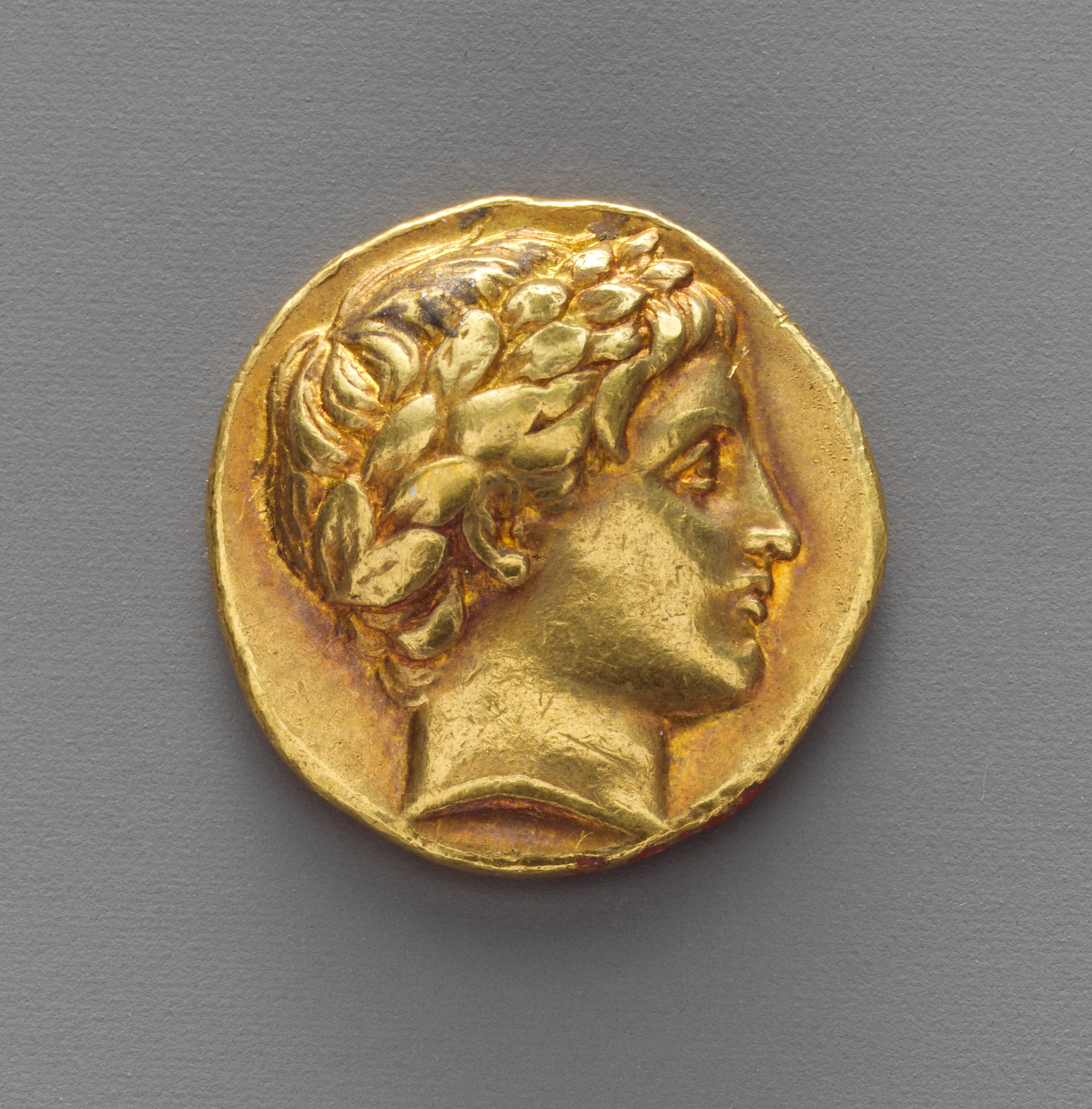
More from the Classical


Explore what happened on the days that shaped Alexander the Great's life. Today In History connects historical figures with the events, births, and deaths that defined their era. Browse all historical figures or explore today's events.