

Historical Figure
Cleopatra
d. 30 BC
Pharaoh of Egypt from 51 to 30 BC
Talk to Cleopatra
Have a conversation with this historical figure through AI
Biography
Cleopatra VII Thea Philopator was Queen of the Ptolemaic Kingdom from 51 to 30 BC and the last active pharaoh of ancient Egypt. A member of the Ptolemaic dynasty, she was a descendant of its founder Ptolemy I Soter, a Macedonian Greek general and companion of Alexander the Great. Her first language was Koine Greek, and she is the only Ptolemaic ruler known to have learned the Egyptian language, among several others. After her death, Egypt became a province of the Roman Empire, marking the end of the Hellenistic period in the Mediterranean, which had begun during the reign of Alexander.
In Their Own Words (5)
My salad days,When I was green in judgment, cold in blood,To say as I said then!
Peace, peace! Dost thou not see my baby at my breast,That sucks the nurse asleep?
I am fire and air; my other elements I give to baser life.
He was dispos'd to mirth; but on the suddenA Roman thought hath struck him.
I have Immortal longings in me.
Timeline
The story of Cleopatra, told in moments.
Born Cleopatra VII Thea Philopator in Alexandria, Egypt. Daughter of Ptolemy XII. Her family has ruled Egypt for 250 years since Alexander the Great's general Ptolemy took power. They are Macedonian Greek. Cleopatra is the first of her dynasty to learn Egyptian.
Smuggled into Caesar's quarters rolled in a linen sack (not a carpet, despite the legend). She is 21. Caesar is 52. Egypt is in civil war between Cleopatra and her brother Ptolemy XIII. Caesar sides with Cleopatra. Ptolemy drowns in the Nile during the battle that follows.
Caesar burns part of the Library of Alexandria during the Alexandrian War. She watches from the palace. Some ancient sources say it is the harbor warehouses that burn, not the library itself. The exact damage is still debated two thousand years later. Cleopatra later replenishes the library with 200,000 scrolls taken from Pergamum.
After Caesar's assassination in Rome, she names her three-year-old son Caesarion co-ruler as Ptolemy XV. The boy is Caesar's biological child. She returns to Egypt from Rome, where she'd been living in one of Caesar's villas across the Tiber.
Meets Mark Antony at Tarsus. She sails up the river on a golden barge with purple sails, silver oars, and the scent of incense drifting across the water. Plutarch says the people on shore thought the goddess Aphrodite had come to feast with Dionysus. Antony is captivated. They have three children together.
The Donations of Alexandria. Antony publicly grants Roman territories to Cleopatra and her children. Caesarion is declared King of Kings. Cleopatra is named Queen of Kings. Rome is furious. Octavian reads Antony's will to the Senate. It names Alexandria, not Rome, as his final resting place.
Her fleet and Antony's are destroyed at the Battle of Actium off western Greece. Octavian's admiral Agrippa traps them in the gulf. Cleopatra breaks through with 60 ships. Antony abandons his fleet to follow her. The battle costs them Egypt.
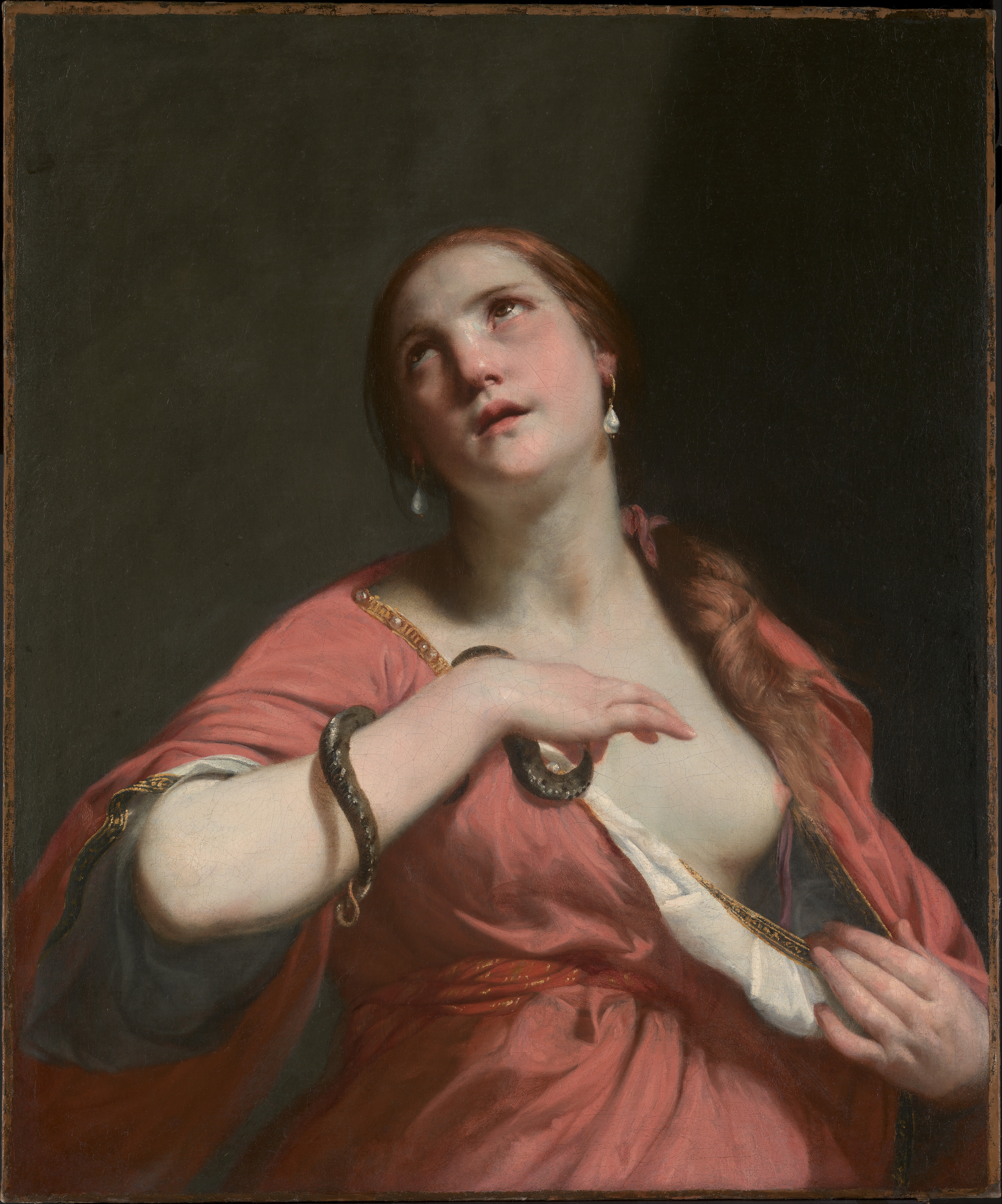
Dies in Alexandria at 39. The ancient sources say she poisoned herself, possibly by snakebite. Plutarch describes an asp hidden in a basket of figs. Modern scholars doubt this. What is certain: she refused to be paraded through Rome in Octavian's triumph. Her children by Antony are taken to Rome and raised by Antony's former wife. Caesarion is executed.
With her death, the Ptolemaic dynasty ends. Egypt becomes a Roman province, the personal property of Octavian. The Hellenistic age, which began with Alexander's conquests 300 years earlier, is over. Rome now controls the entire Mediterranean world.
Artifacts (12)
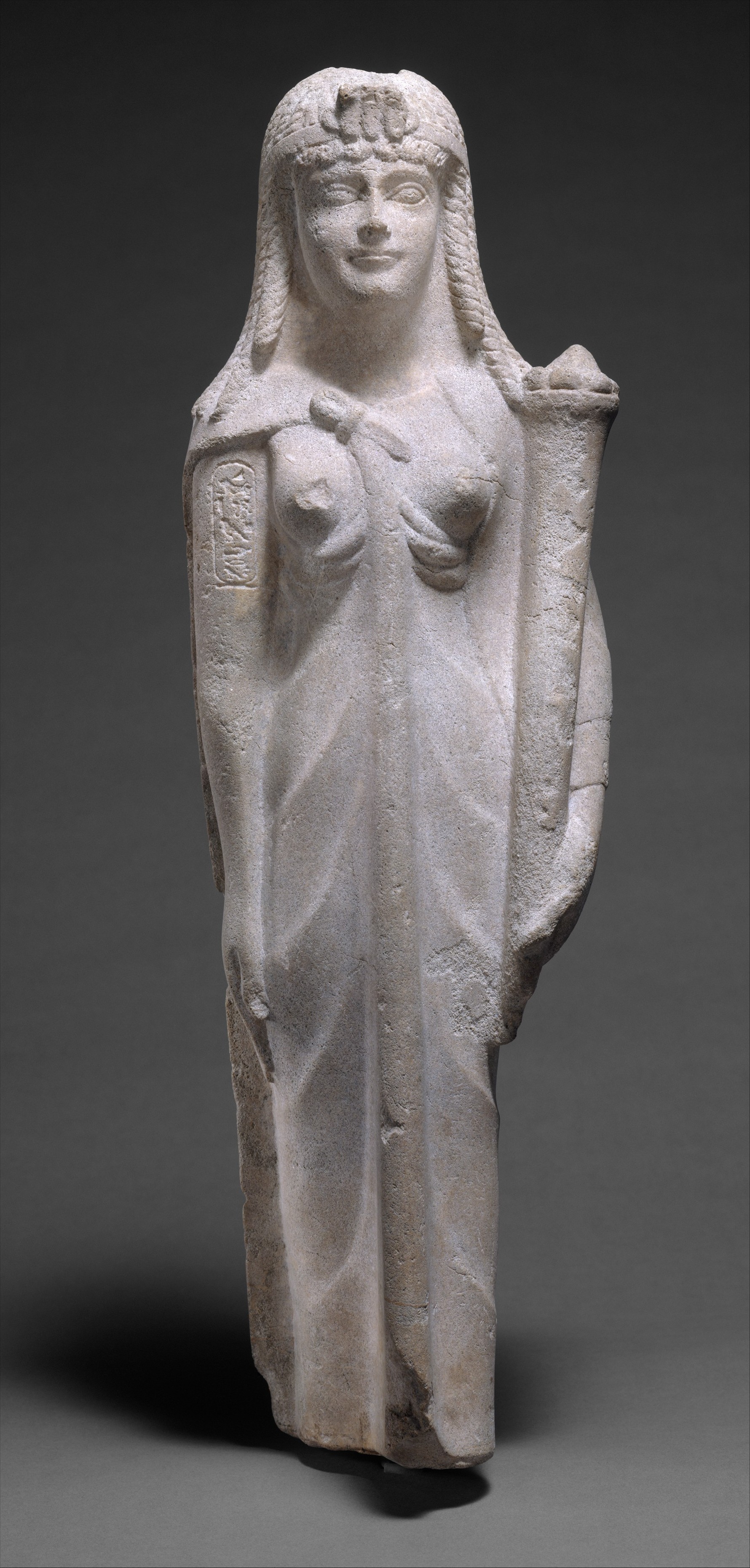
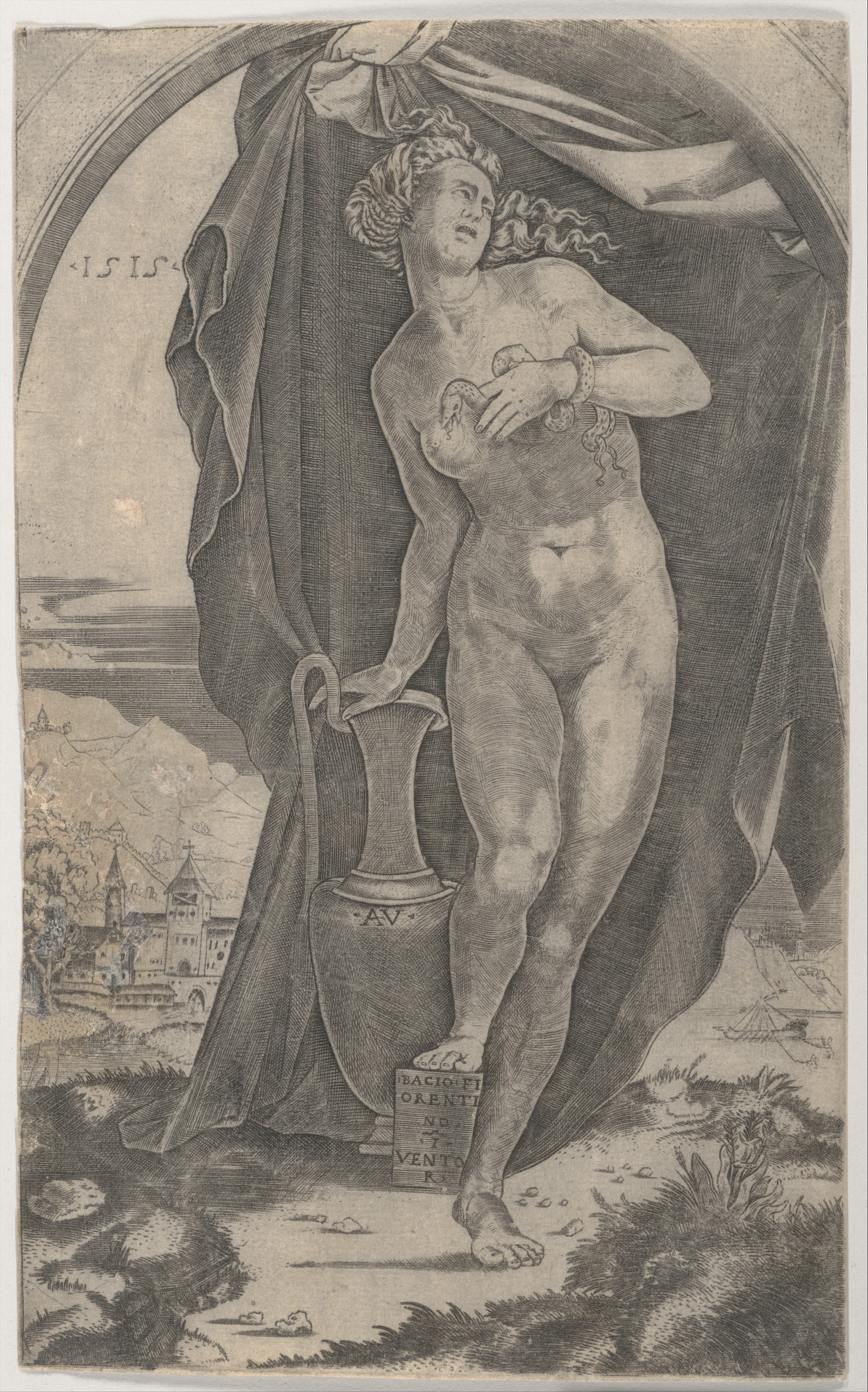
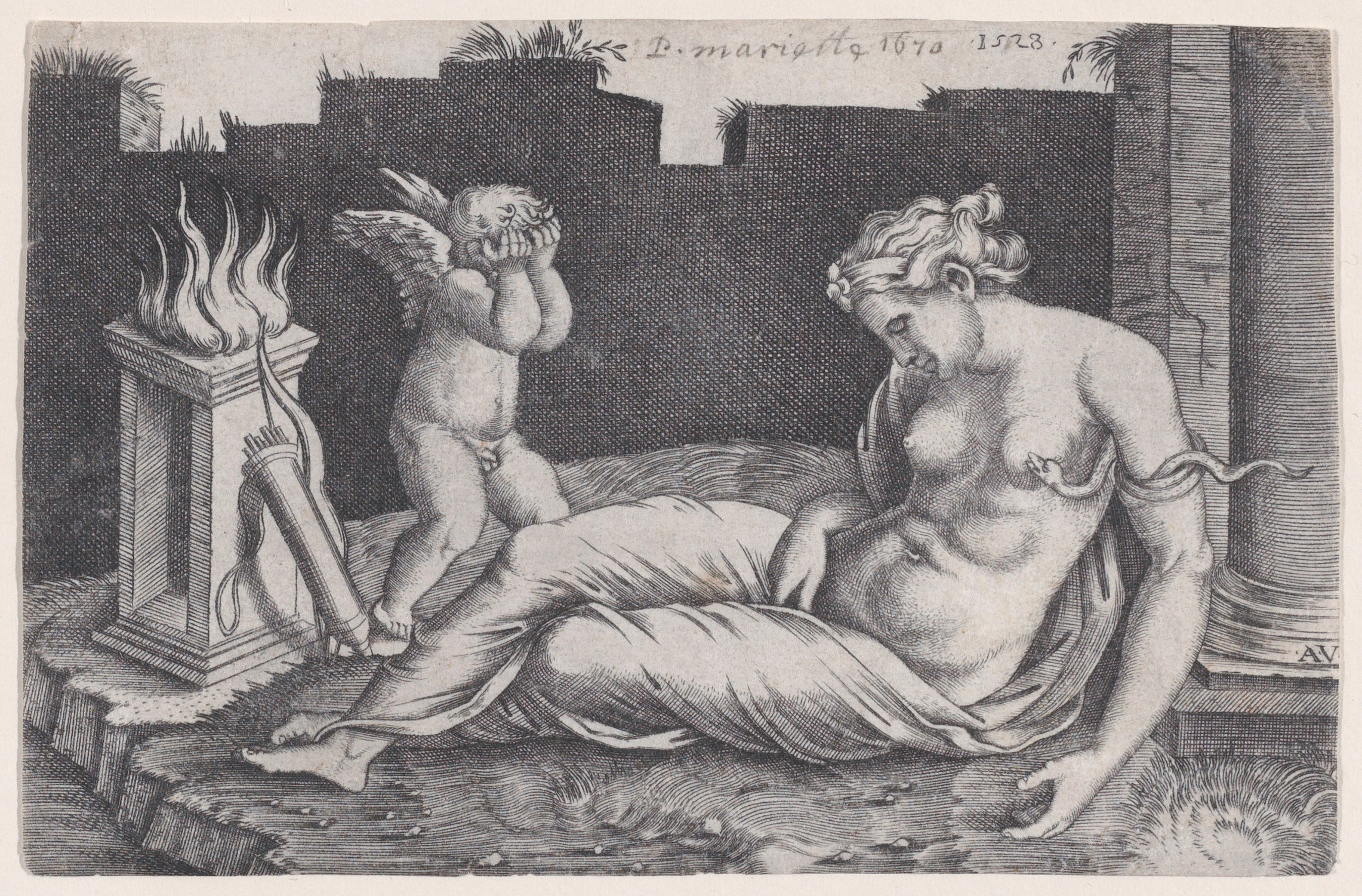
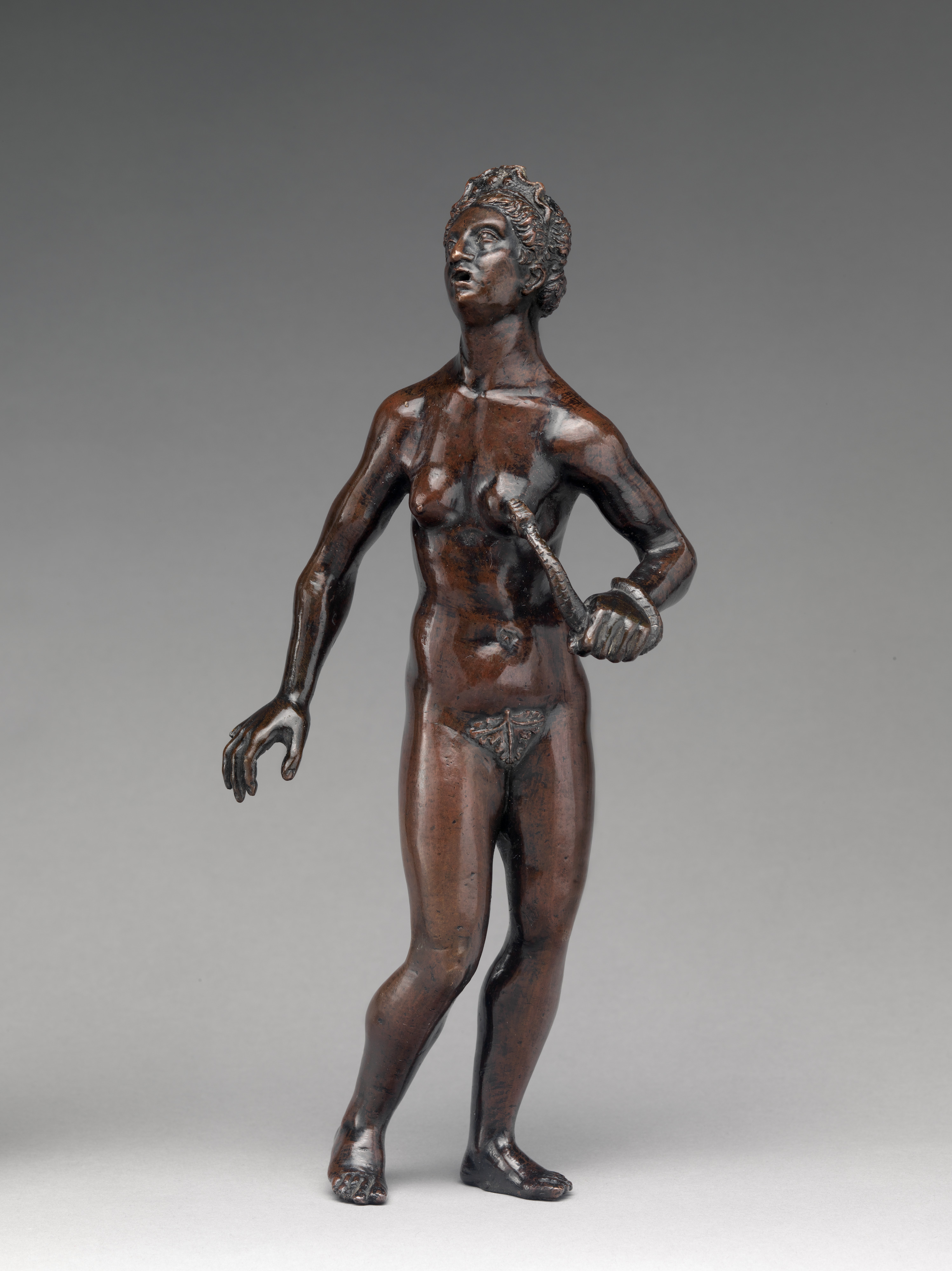
Cleopatra
Agostino Veneziano (Agostino dei Musi)|Raphael (Raffaello Sanzio or Santi)
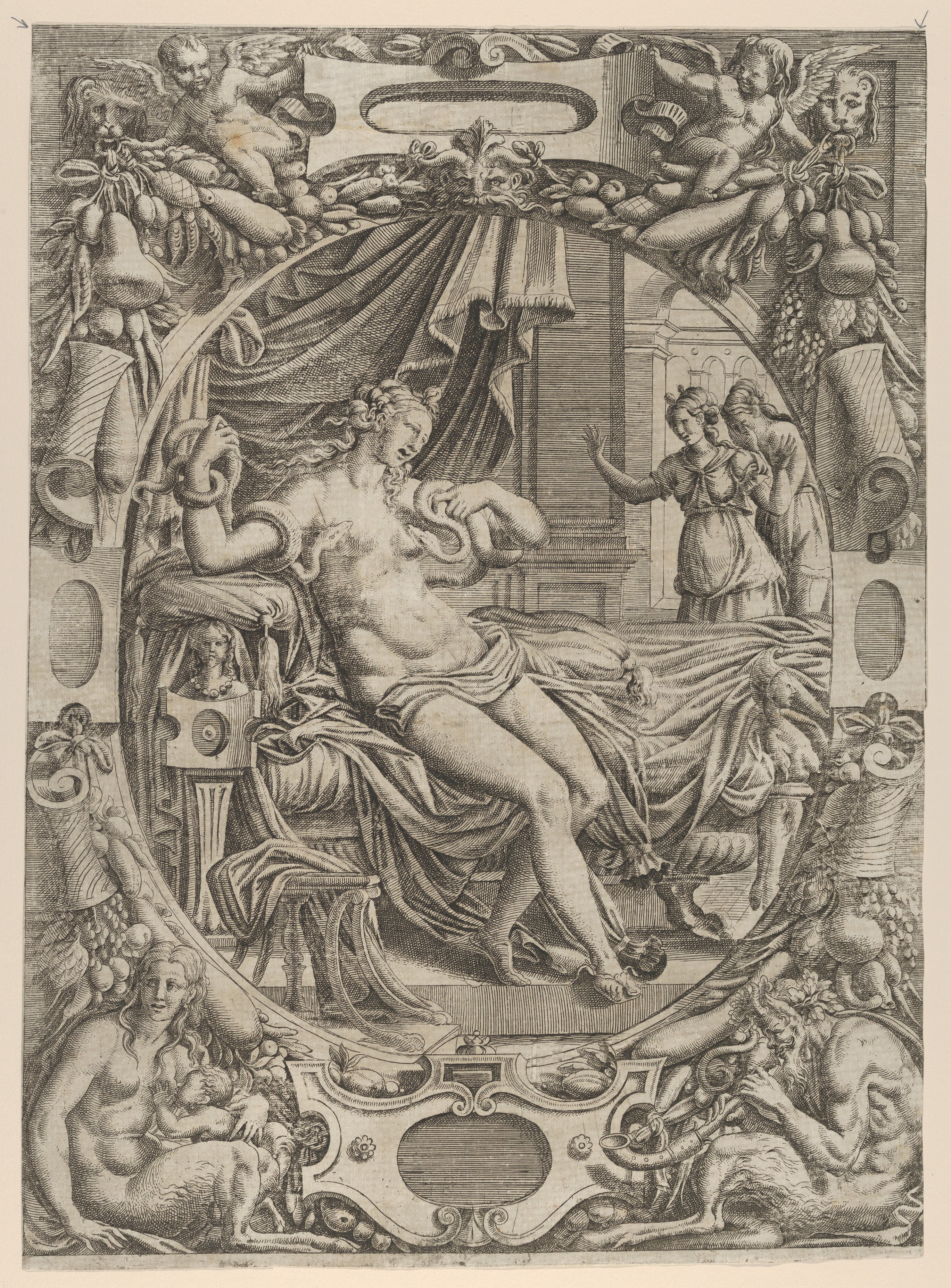
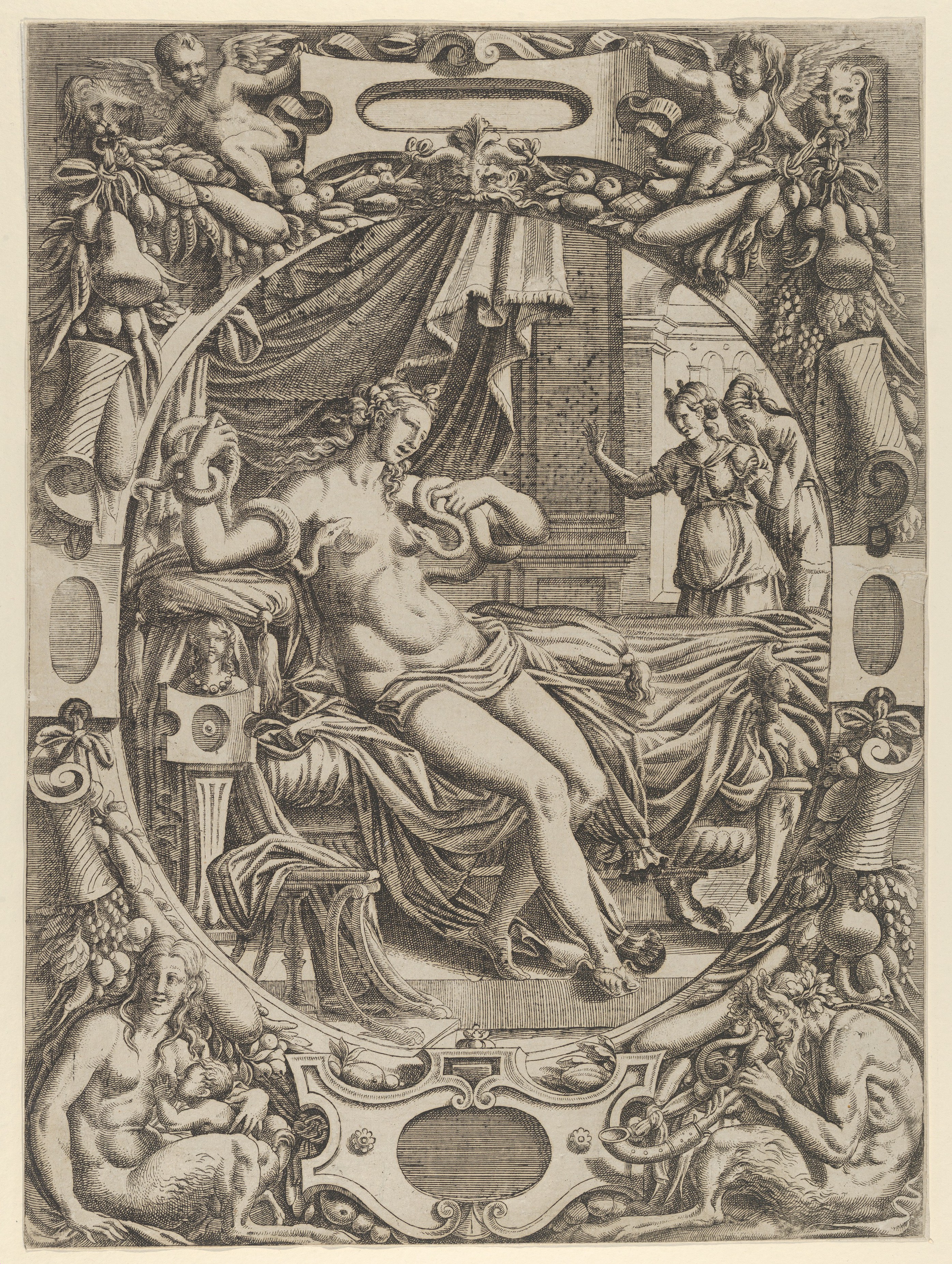
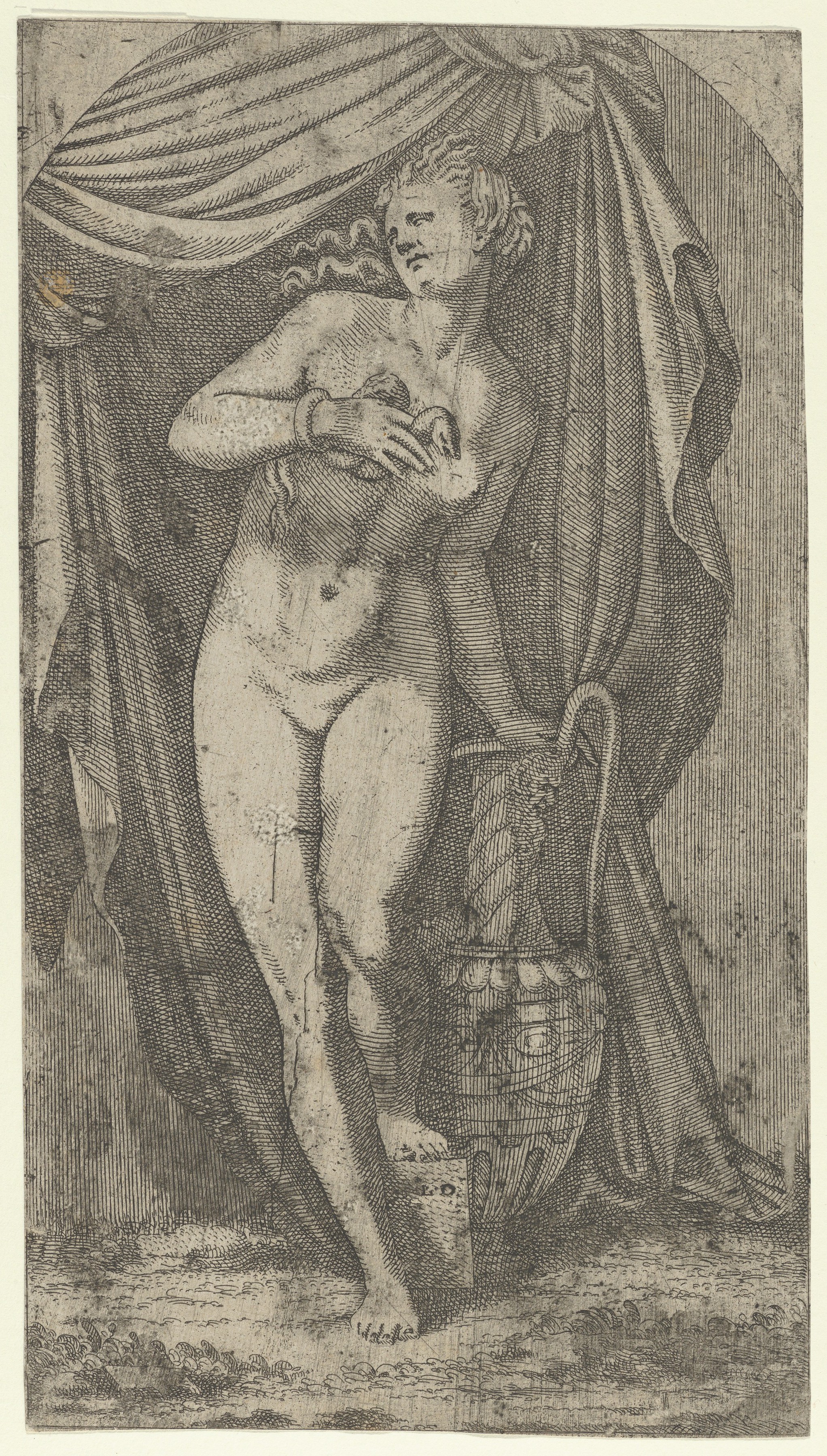
Cleopatra bitten by an Asp
Agostino Veneziano (Agostino dei Musi)|Baccio Bandinelli|Léon Davent
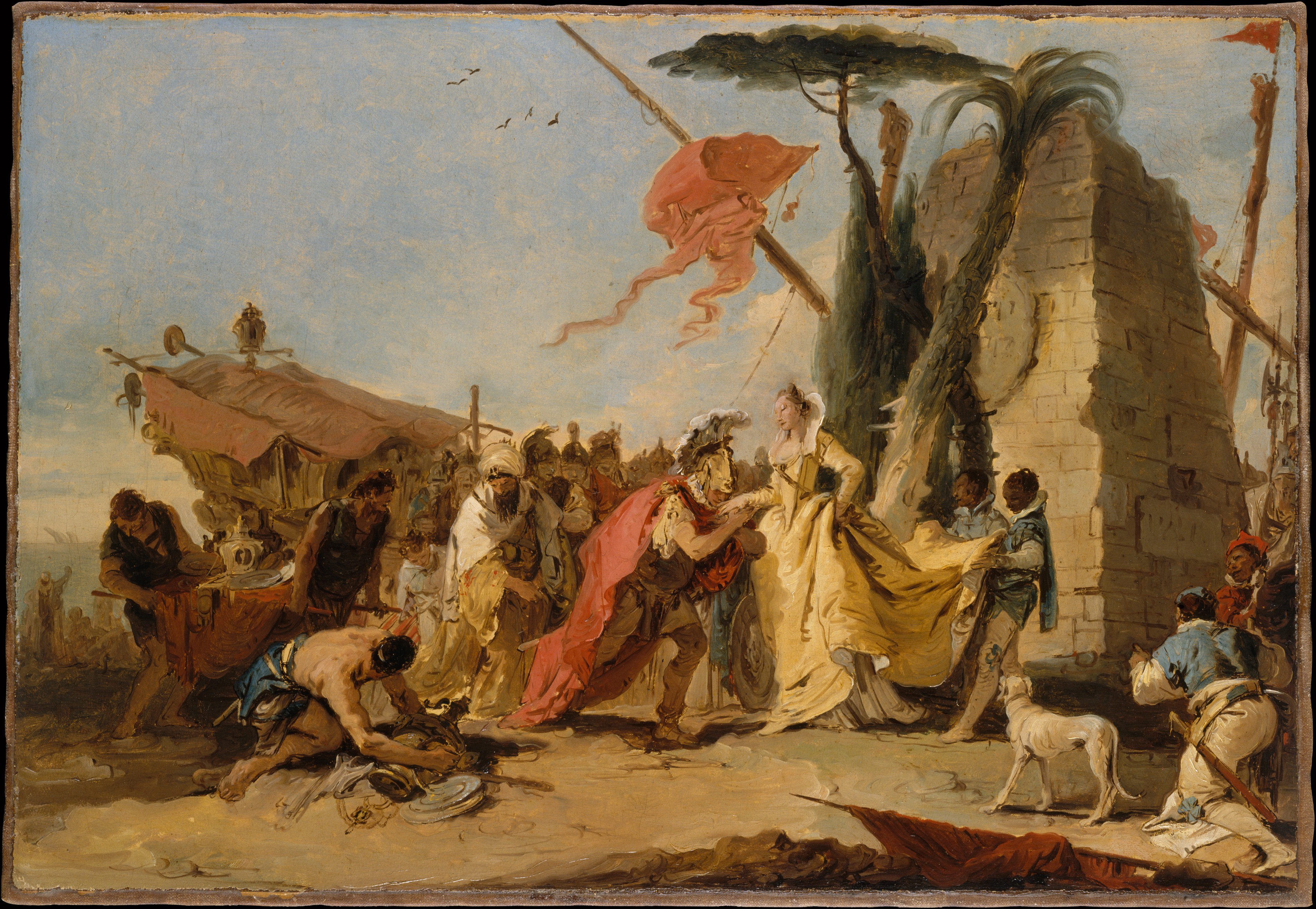
The Meeting of Antony and Cleopatra
Giovanni Battista Tiepolo
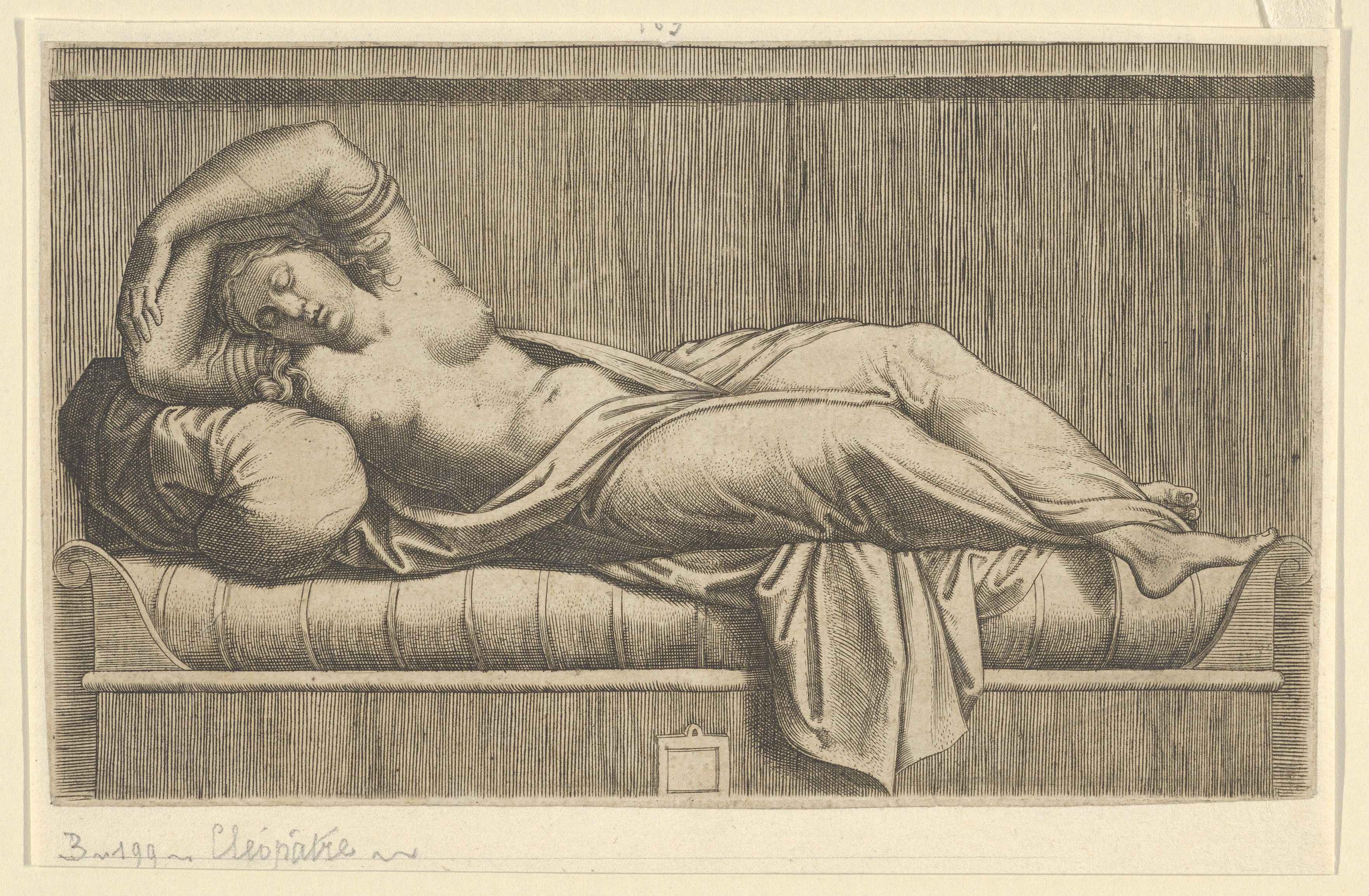
Cleopatra, partly naked laying on a bed
Marcantonio Raimondi|Anonymous|Raphael (Raffaello Sanzio or Santi)
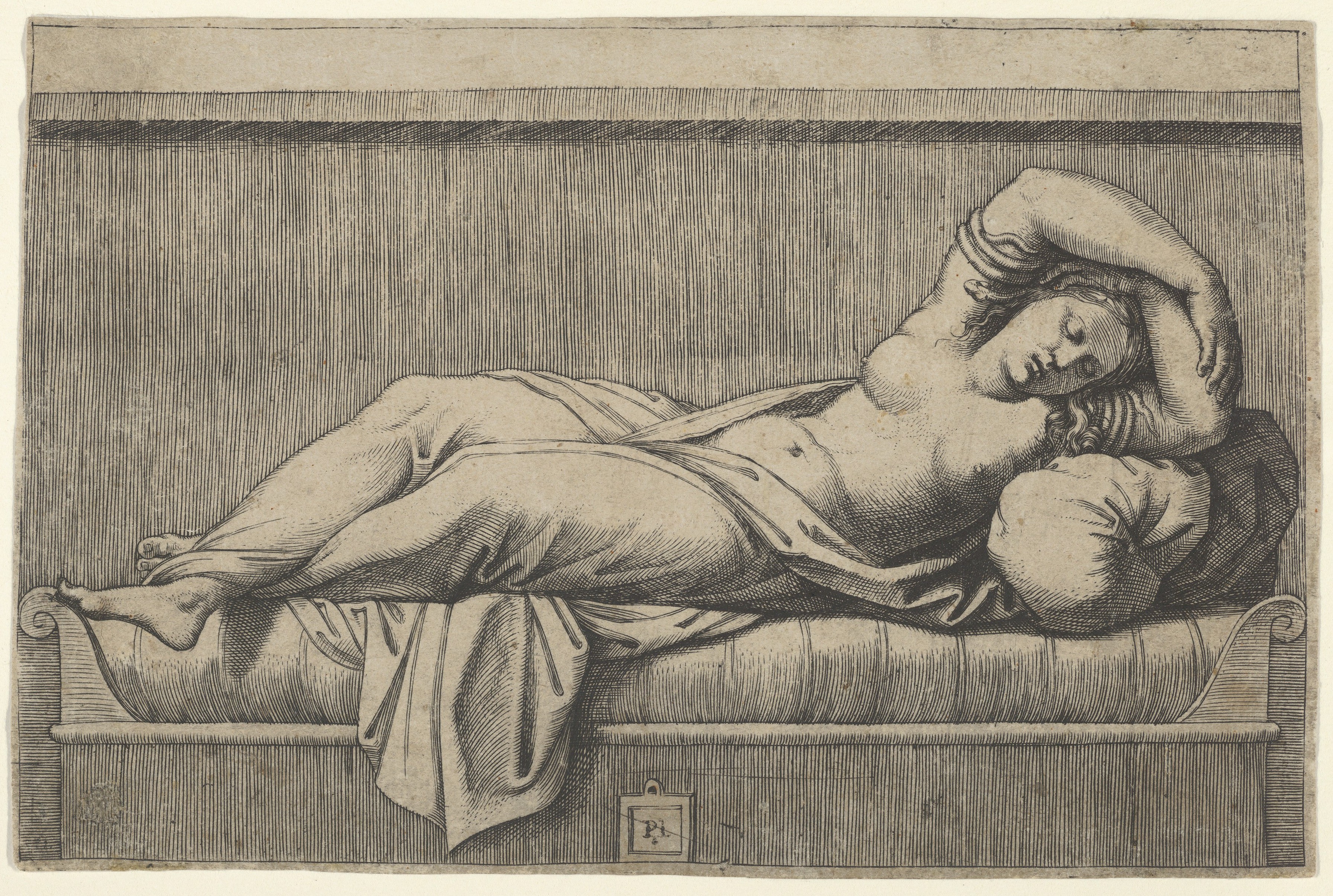
Cleopatra lying partly naked on a bed
Marcantonio Raimondi|Raphael (Raffaello Sanzio or Santi)
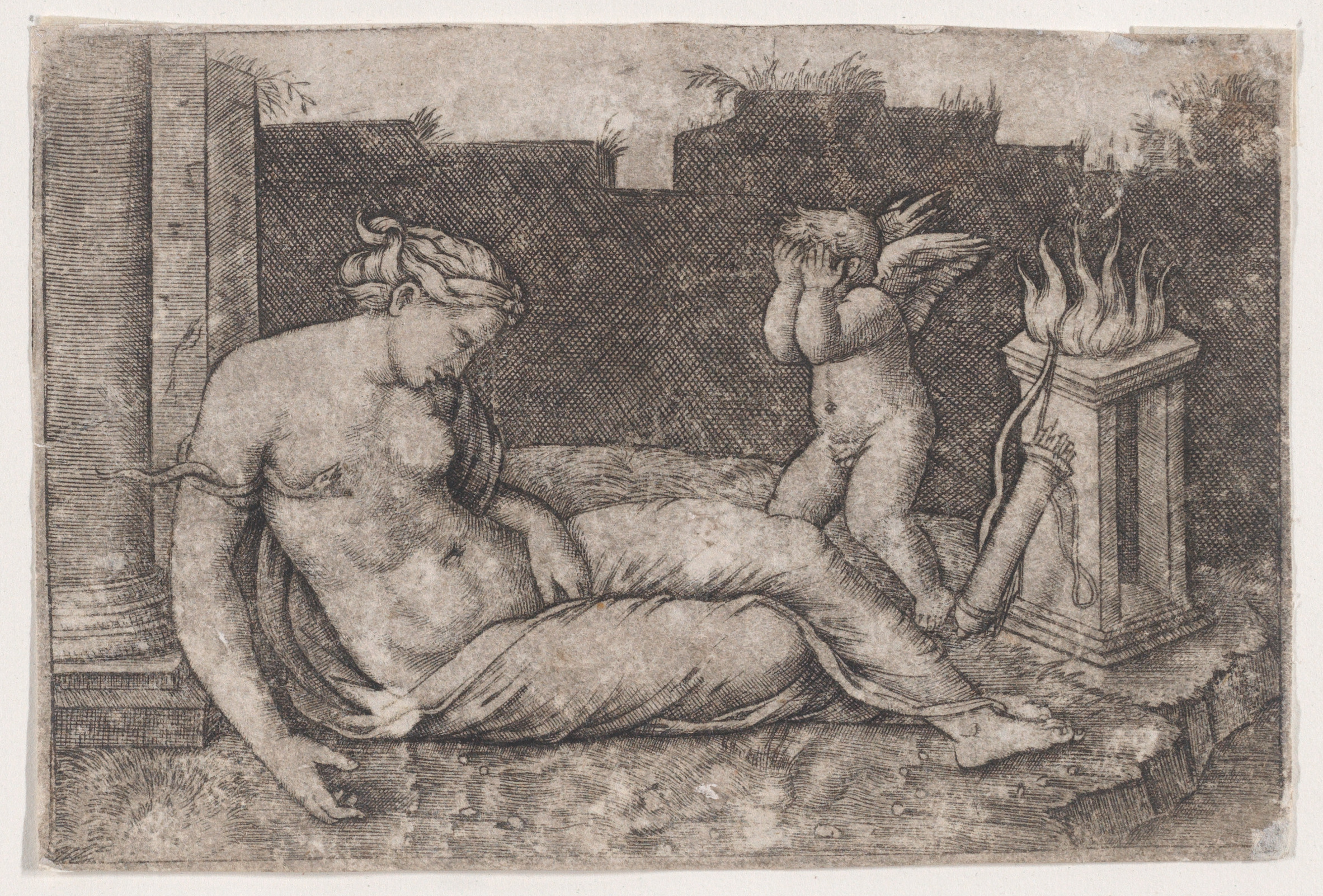
Cleopatra
Anonymous, Italian, 16th to early 17th century|Agostino Veneziano (Agostino dei Musi)
More from the Classical


Explore what happened on the days that shaped Cleopatra's life. Today In History connects historical figures with the events, births, and deaths that defined their era. Browse all historical figures or explore today's events.