

Historical Figure
Julius Caesar
100 BC–44 BC
Roman general and dictator (100–44 BC)
Talk to Julius Caesar
Have a conversation with this historical figure through AI
Biography
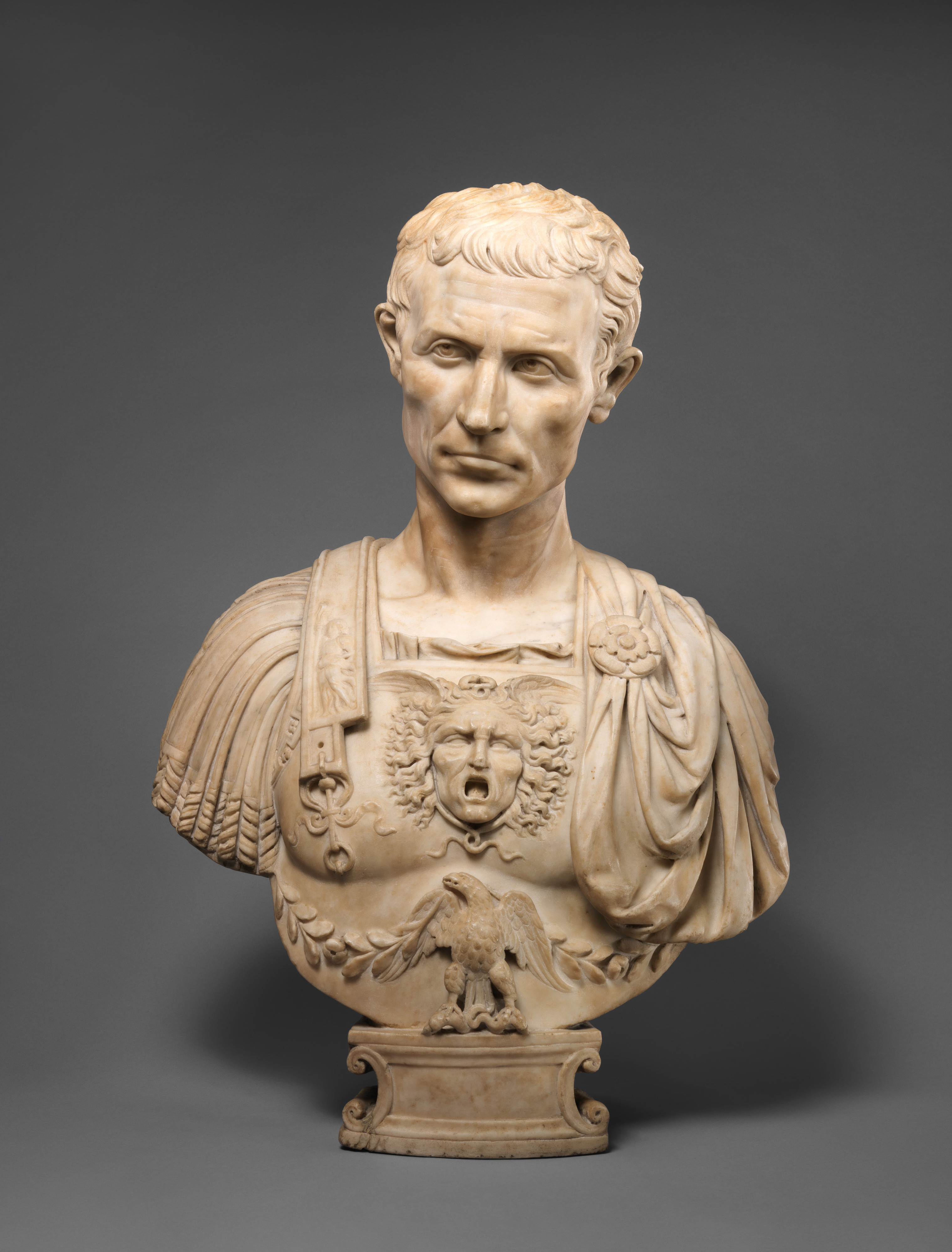
Gaius Julius Caesar was a Roman general and statesman who was the dictator of the Roman Republic almost continuously from 49 BC until his assassination in 44 BC. A member of the First Triumvirate, he led the Roman armies through the Gallic Wars and defeated his political rival Pompey in Caesar’s civil war. He consolidated power and proclaimed himself dictator perpetuo in 44 BC, which contributed to the political conditions that led to the collapse of the Roman Republic and the emergence of the Roman Empire. For his role in these events, he is regarded as one of the most influential historical figures.
In Their Own Words (5)
I assure you I had rather be the first man here than the second man in Rome.
On passing through a village in the Alps, as attributed in Parallel Lives , by Plutarch, as translated by John Langhorne and William Langhorne (1836), p. 499<!-- ; also quoted in p. 372 Handy-Book of Literary Curiosities (1892) by William Shepard Walsh , 1836
The die is cast.
Said when crossing the river Rubicon with his legions on 10 January, 49 BC, thus beginning the civil war with the forces of Pompey. The Rubicon river was the boundary of Gaul, the province Caesar had the authority to keep his army in. By crossing the river, he had committed an invasion of Italy.
Fere libenter homines id quod volunt credunt.
In most cases men willingly believe what they wish.
Vercingetorix, having convened a council the following day, declares, "That he had undertaken that war, not on account of his own exigencies, but on account of the general freedom; and since he must yield to fortune, he offered himself to them for either purpose, whether they should wish to atone to the Romans by his death, or surrender him alive." Ambassadors are sent to Caesar on this subject. He orders their arms to be surrendered, and their chieftains delivered up. He seated himself at the head of the lines in front of the camp, the Gallic chieftains are brought before him. They surrender Vercingetorix, and lay down their arms.
Book VII
Qui se ultro morti offerant facilius reperiuntur quam qui dolorem patienter ferant.
It is easier to find men who will volunteer to die than to find those who are willing to endure pain with patience.
Timeline
The story of Julius Caesar, told in moments.
Born Gaius Julius Caesar to a patrician family in Rome. The Julii claim descent from Venus through Aeneas. An ancient name, but not a wealthy one. His father dies when Caesar is 15, leaving him head of the family.
Begins the Gallic Wars. Over the next eight years he conquers roughly 800 cities, fights 30 battles, and kills or enslaves an estimated one million Gauls. He writes his own account of the war in the third person. "Caesar decided." "Caesar marched." The book is still assigned in Latin classes.
Crosses the Rubicon with a single legion. The river marks the boundary between his province and Roman Italy. Bringing soldiers across it is treason. According to Suetonius, he says "alea iacta est" (the die is cast). Civil war begins.
Defeats Pompey at the Battle of Pharsalus in Greece. Caesar is outnumbered roughly two to one. Pompey flees to Egypt, where Ptolemy XIII has him beheaded on the beach, hoping to win Caesar's favor. It doesn't work. Caesar weeps when he's presented with Pompey's head.
Creates the Julian calendar, replacing the chaotic Roman lunisolar system. He adds 67 days to the year 46 BC to realign the seasons, making it 445 days long. Romans call it "the last year of confusion." The Julian calendar will be used for 1,600 years.
Cleopatra and their son Caesarion live in a villa across the Tiber. His wife Calpurnia knows. Rome knows. He puts a golden statue of Cleopatra in the Temple of Venus Genetrix. It is still there when the senators come for him.
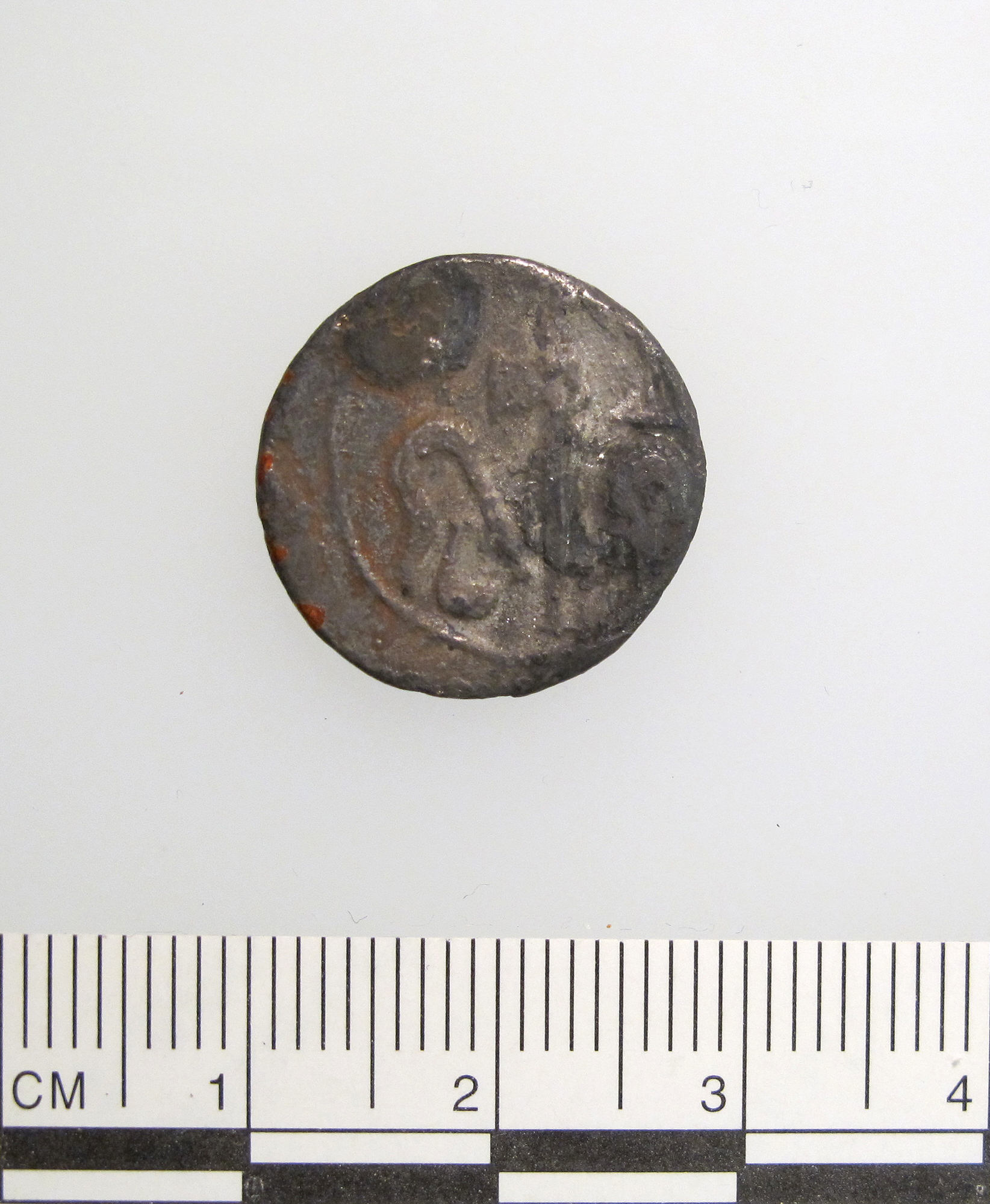
Declared dictator perpetuo. Dictator for life. He sits on a golden throne in the Senate. His image appears on coins. A month is renamed in his honor: July. Sixty senators begin meeting in secret.
Stabbed 23 times on the Ides of March at the Theatre of Pompey. Sixty senators participated. A physician later determined only one wound was fatal: the second stab, to his chest. According to Suetonius, when he saw Brutus among the attackers, he pulled his toga over his head and stopped resisting. He was 55.
The Roman Senate posthumously deifies Julius Caesar. He is now Divus Iulius, a god. His adopted heir Octavian becomes "son of a god," a title he uses to devastating political effect. Within thirteen years, Octavian will rule the Roman Empire alone, as Augustus.
Artifacts (14)
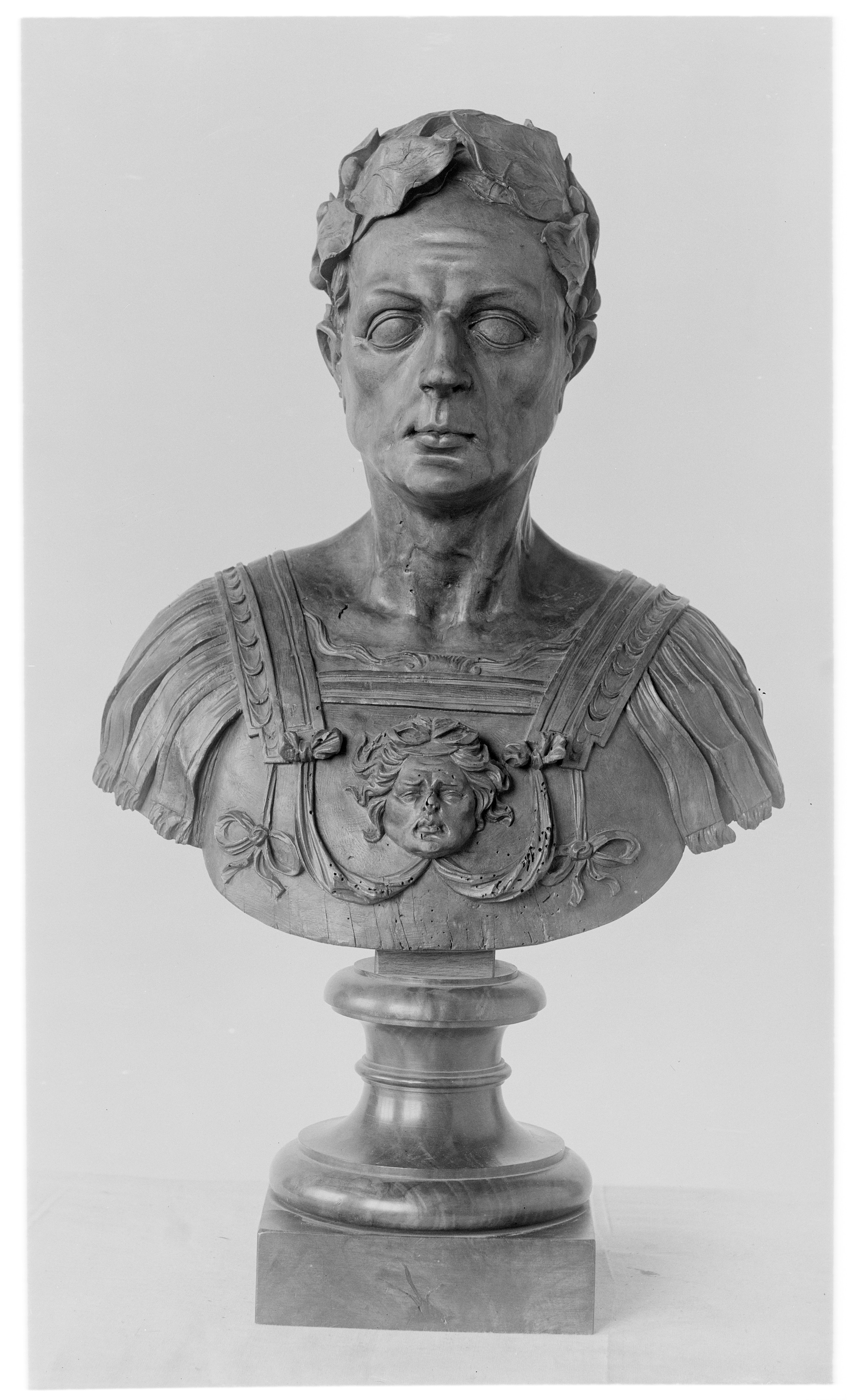
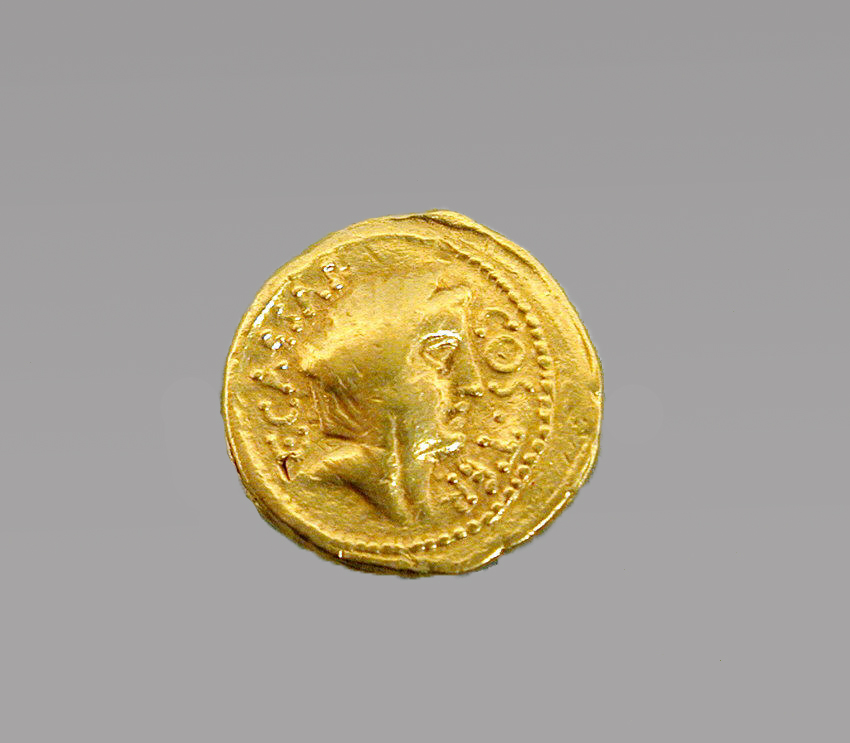
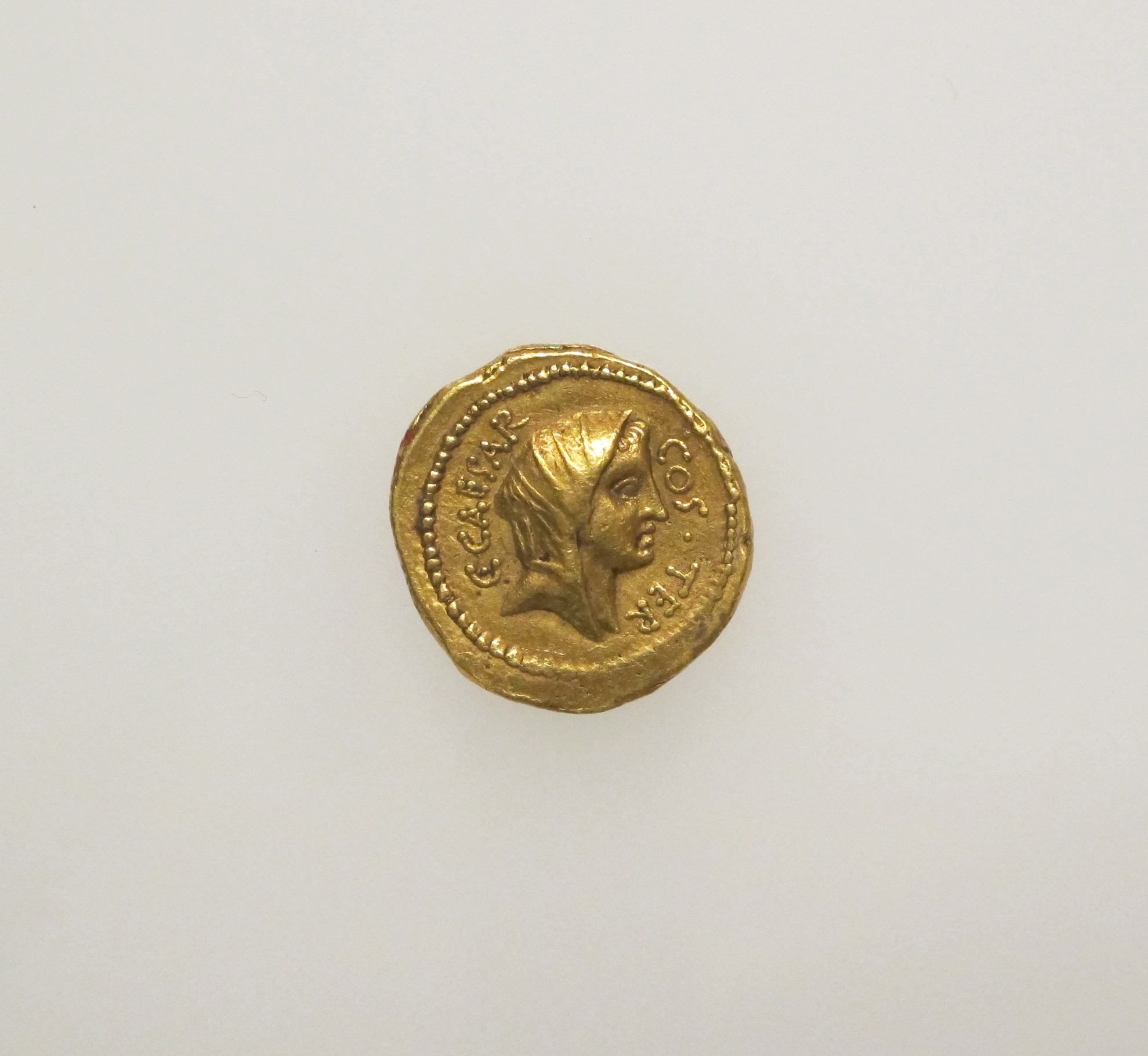
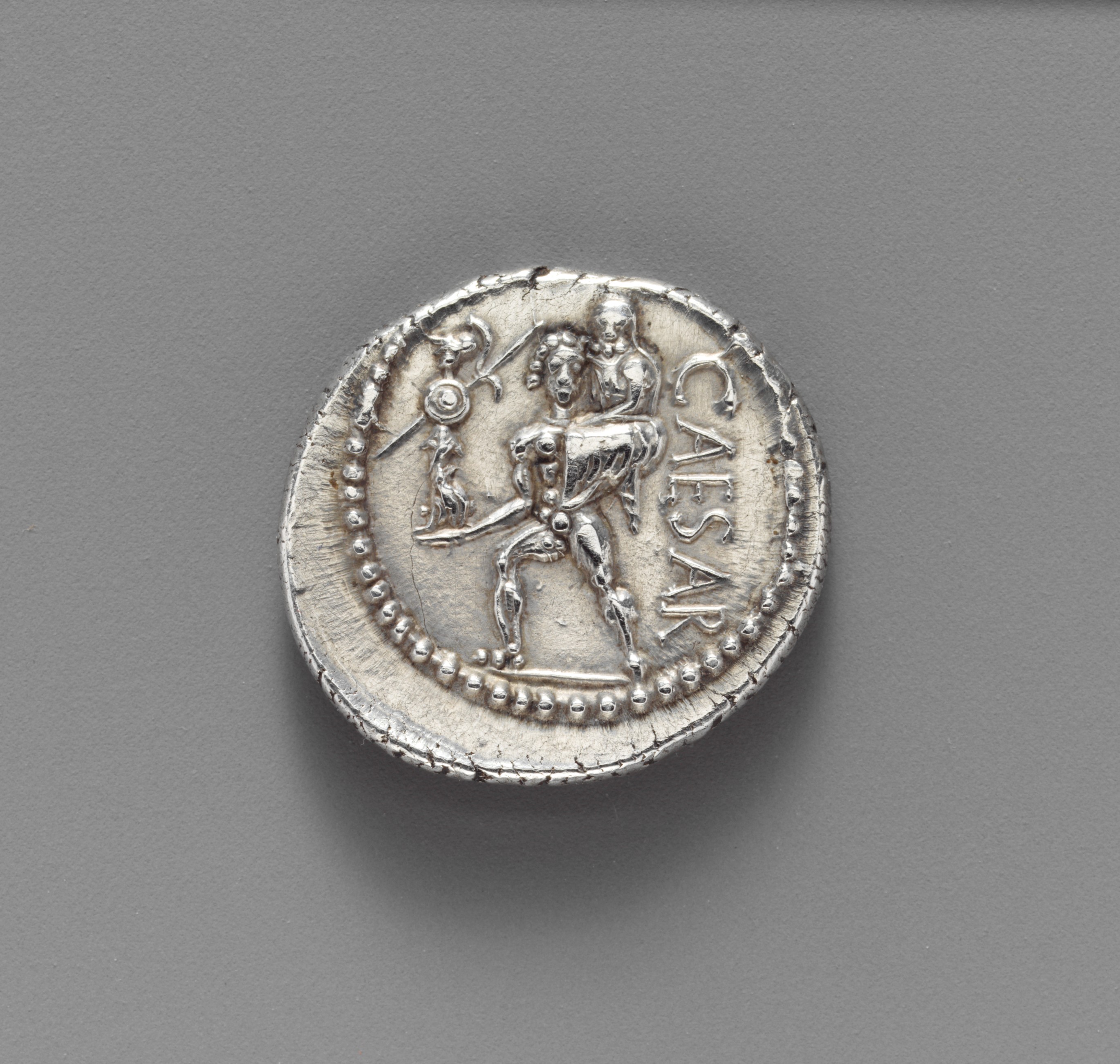



More from the Classical


Explore what happened on the days that shaped Julius Caesar's life. Today In History connects historical figures with the events, births, and deaths that defined their era. Browse all historical figures or explore today's events.